
Article: Female Hair Loss: The Truth About What Actually Works
Female Hair Loss: The Truth About What Actually Works
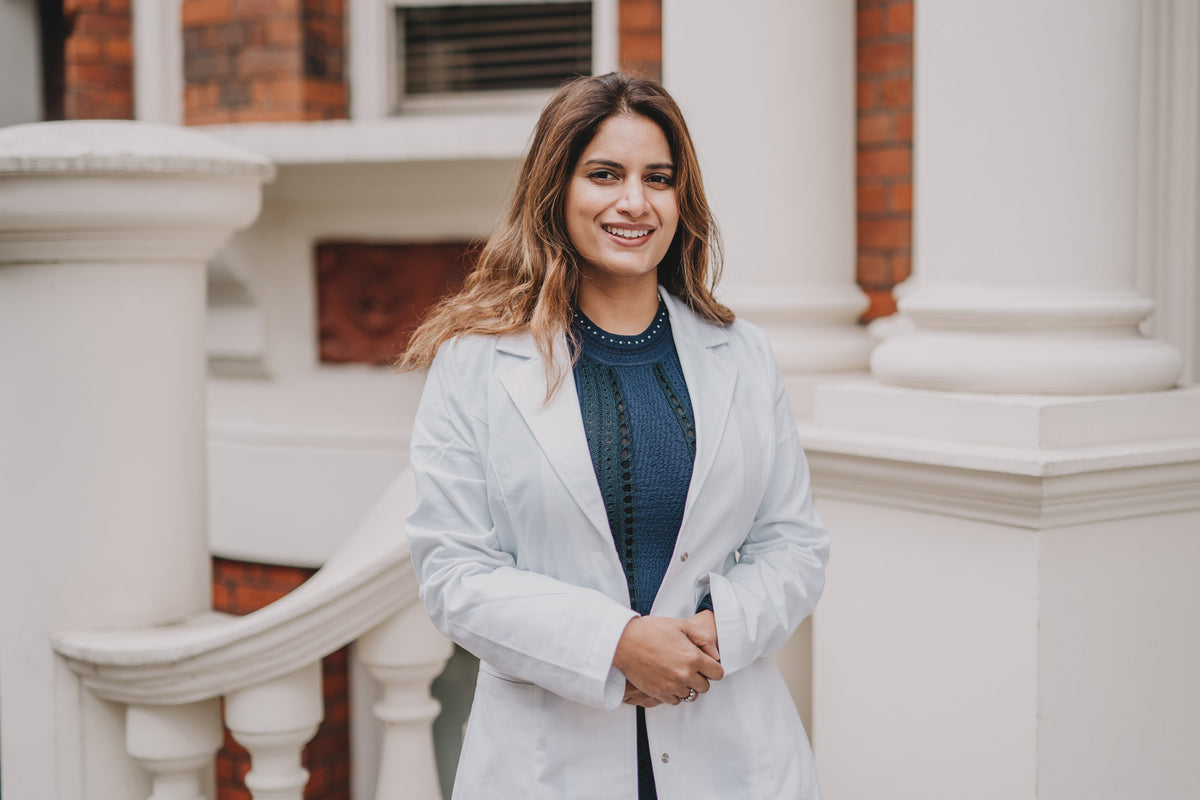
Hair loss can have an enormous impact on confidence, and yet when it comes to women, it remains something many feel they have to navigate alone. In a recent episode of The Late Late Aesthetic Show with Vanessa Lana Brown, Private Consultant Dermatologist Dr Ophelia Veraitch sat down to unpack the truth about female hair loss, hair thinning, and the endless stream of hair trends filling social media feeds. Her central message was clear and reassuring: female hair loss is treatable, and effective options exist for almost every cause. The results, however, depend entirely on getting the diagnosis right first.
You can watch the full conversation here:
Why Women Feel There Is Nowhere To Turn
Dr Ophelia is not convinced hair loss is truly taboo anymore, because people talk about hair constantly. It affects everyone, and she notes it is barely possible for a woman to go through life without some issue with her hair at some point. What is different for women is the assumption that no solution exists for them.
Men have grown comfortable seeking treatment, whether starting finasteride or booking a hair transplant. Many women still don't realise those same solutions exist for them. Part of the challenge is access. Dermatology is a small speciality in the UK, and specialist hair expertise is even harder to find. GPs are genuinely excellent at the first steps, such as checking ferritin (iron stores), vitamin D, B12, folate and zinc, running hormone studies, or screening for polycystic ovaries, and then referring on. The bottleneck after that is getting to a specialist hair clinic.
Three Starting Tips For Any Woman Noticing Hair Loss
If a woman takes nothing else away, Dr Ophelia suggests starting here:
-
Ease off chemical and heat treatments. She admits this may not be popular, but they cause real damage over time.
-
Get iron levels right. For healthy hair, ferritin should sit comfortably above 70 to 80, which is higher than the level that merely rules out anaemia.
-
See a dermatologist if it feels abnormal. Every cause of hair loss is medical, so it deserves a proper medical assessment rather than guesswork.
What Actually Causes Hair Loss In Women
There is no single answer, which is exactly why self-diagnosis so often fails. The common causes of hair loss in women that Dr Ophelia sees include:
-
Stress-related shedding (telogen effluvium) - This is when hair suddenly starts falling out, whether after pregnancy or simply from work and life stress. Roughly half of her female patients are, at heart, shedding patients, and it is usually linked to stress.
-
Autoimmune - Hair loss (alopecia areata), where the immune system attacks the follicles, causing patches or more diffuse loss.
-
Scalp inflammation - Which can inflame the scalp as it does the skin and cause hair loss.
-
Female pattern thinning - The most common type, which is largely hormonal and genetic and is often triggered or unmasked by the pill, HRT or childbirth.
Hair loss can happen at any age. Dr Ophelia sees teenagers in high-pressure schools shedding through exam stress, girls with polycystic ovaries thinning at puberty, and women in their 70s and 80s, often her favourite patients, who have had wonderful hair all their lives and want to address a change that feels like a loss of identity. For many women, female pattern hair loss becomes more noticeable with age as hormonal support declines.
Should You Worry About Hair In The Shower?
It is normal to shed hair continuously. The often-quoted figure is up to 100 hairs a day, though Dr Ophelia openly questions its accuracy. Her rule is simpler: if it feels abnormally excessive for you, then it is. Clumps on the pillow, in the shower or on the floor are worth getting checked.
The Hormone Question And A Serious Word Of Caution
Hormones matter, but not always in the way social media suggests. In pregnancy, hair often looks its best because oestrogen supports growth. A few months after birth, oestrogen drops and most women shed, which usually passes and returns to baseline on its own. Seeking help makes sense only when it doesn't recover.
On perimenopause and menopause, Dr Ophelia is candid that she finds the idea of menopause directly causing hair thinning something of a myth. Hair changes as we age, and declining oestrogen no longer supports it as it once did, but the picture is highly individual.
She feels strongly about one point in particular. In her view, chasing the hormone levels of a teenager is not a safe or sensible way to manage hair thinning later in life. Oestrogen helps support hair, but on its own it raises the risk of breast cancer and blood clots. She has seen patients develop breast cancer after being given oestrogen, and they were understandably angry that the risks had never been explained. To give oestrogen safely it needs to be paired with progesterone, and some progesterone can have an androgenic effect, which can itself thin hair. Testosterone is often given to help mood and libido, but it can also cause hair thinning. Anti-androgens, by contrast, can be genuinely helpful. As she puts it, it is not black and white.
Why Injections Alone So Often Disappoint
Many aesthetic-clinic options now exist for hair, including PRP, scalp needling, and exosomes. Dr Ophelia's concern is watching women have course after course of injections with little to show for it. Almost always, something underlying was missed, such as low iron, the wrong pill, or another driver that was never investigated. Injectables also rarely hold up without a proper maintenance plan. A woman cannot inject her way out of an undiagnosed problem, and lifestyle factors, especially diet and iron, have to be addressed alongside any in-clinic treatment.
The Treatments Dr Ophelia Genuinely Rates
When the diagnosis is clear, these are the three she reaches for most:
-
Spironolactone - For women with hormonal thinning and for those on HRT, which helps counteract the hormones and thicken the hair.
-
PRF (platelet-rich fibrin) - To a patient, it feels like PRP: taking your own blood and concentrating its growth factors, but data show PRF delivers a higher concentration of growth factors, making it more effective.
-
Prescription hair-growth tonics - Dr Ophelia's bespoke hair growth elixirs use prescription-strength ingredients such as finasteride and melatonin. If a patient does use minoxidil, she advises building up gradually to avoid the distressing early shedding that can come with starting at a higher strength.
The Trends: What Is Worth Your Money And What Is Not
This is precisely why so few dermatologists take on hair. Patients arrive having tried an enormous number of things, often with tears, because the marketing is superb even when the results are not.
Rosemary Oil
This is Dr Ophelia's most overrated trend. It can cause contact allergies, and the supporting evidence is a poor-quality study with small numbers claiming it matched 2 to 3 per cent minoxidil, which she considers largely ineffective anyway.
Expensive Shampoos
These are often the worse choice. Many leave out the sulfates, such as sodium laureth sulfate, that actually clean the scalp, so women end up over-washing and developing an oily scalp. Sulfates are only in contact with the scalp for 20 to 30 seconds and clean away dust, dirt and sweat effectively. She suggests spending money on good conditioners and leave-in products instead, while a basic shampoo from the chemist is perfectly fine.
Biotin
She generally advises against this. It interferes with many blood tests, can exacerbate inflammation in the skin and hair, and at the very high doses found in many supplements she has seen, it can actually cause significant shedding.
GLP-1 Weight-Loss Medications
In her view, these should not be blamed directly. What she sees is rapid weight loss, such as 10kg lost quickly, tipping the body into stress mode, along with poor nutrition, and that is what drives the shedding.
Supplements Generally
These depend on the product. Iron and zinc are the two most important nutrients for hair, but they don't absorb well together, so you need to separate them. Most hair supplement brands don't get this right.
Everyday Habits, Quickly Answered
-
Wash hair about two or three times a week, as people become far too obsessed with this.
-
Brushes: a natural bristle brush is gentler and does not conduct heat into the shaft the way synthetics do. Dr Ophelia likes a good detangling brush on wet hair and steers away from plastic, naming Mason Pearson as a brand that makes lovely brushes.
-
Silk pillowcases will not transform hair, but they are pleasant to sleep on.
-
Scalp massage can help you relax and may increase blood flow, as long as it's never so aggressive that it pulls on the hair.
-
Hair oils genuinely help the hair-shaft barrier, much as a moisturiser supports the skin barrier.
-
Dry shampoo is fine by her, since anything that helps avoid over-washing is welcome.
-
Stop bleaching, and start ignoring Instagram trends. Every day there is a new one, and it is easy to become obsessed, see no results, and waste money on products the influencer may never have used themselves.
Where Hair Restoration Is Heading
Dr Ophelia is more excited about hair medicine than ever. When she completed her PhD in hair stem cells, hair was a quiet corner of dermatology; now it is the highlight of every conference. Hair transplants for women are, rightly, becoming more openly discussed, and her clinic is bringing on an excellent plastic surgeon to offer this. Scalp micropigmentation makes a real difference too, and promising new molecules are in early-phase trials. Stem cell therapies will come eventually, though realistically not within the next five years.
The One Thing To Remember
If a woman leaves with a single message, Dr Ophelia wants it to be this: female hair loss is treatable. Good options exist for every cause of thinning and shedding, and the key is getting the right diagnosis first.
Women worried about their hair do not have to keep guessing. A consultation at Dr Ophelia's Harley Street clinic can identify the real cause and set out a plan. You can book an appointment to get started.


Dr Ophelia Veraitch, MBBS, BSc (Hons), PhD, MRCP (Derm)
Dr Ophelia Veraitch is an award-winning private consultant dermatologist based on London’s Harley Street, specialising in medical and cosmetic dermatology, including acne, eczema, rosacea, hyperpigmentation and hair loss. An Imperial College London graduate, she holds a PhD in dermatology focused on hair follicle bioengineering and completed specialist training at St John’s Institute of Dermatology. Read her professional background.
Her accolades include Consultant Dermatologist of the Year 2024 (London) at the GHP Healthcare & Pharmaceuticals Awards and the Royal Society of Medicine’s Hugh Wallace Registrar’s Prize (2017). Quoted as an expert in British Vogue, she brings clinical expertise and research experience to her articles on skin and hair health.
Leave a comment
This site is protected by hCaptcha and the hCaptcha Privacy Policy and Terms of Service apply.