
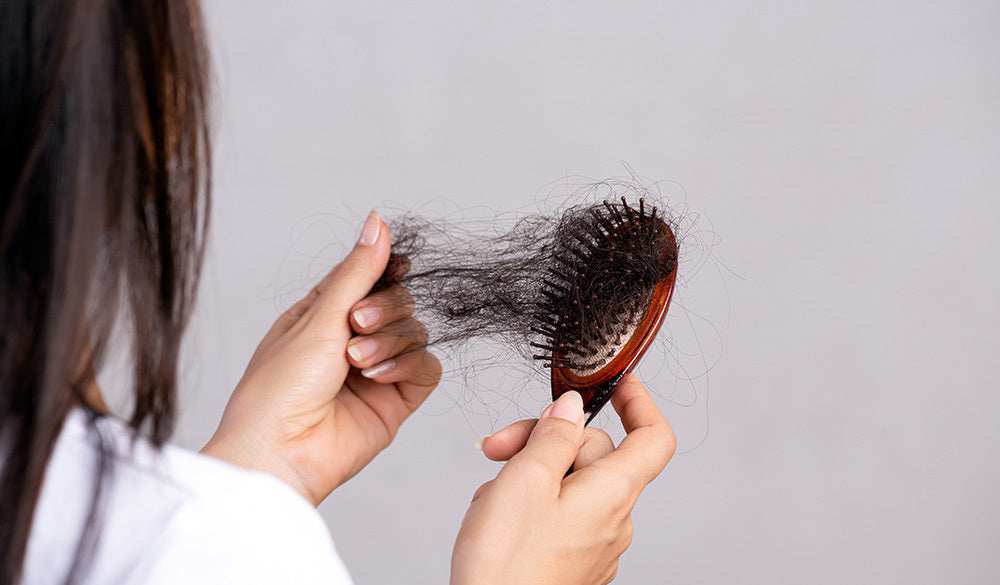
Female Pattern Hair Loss
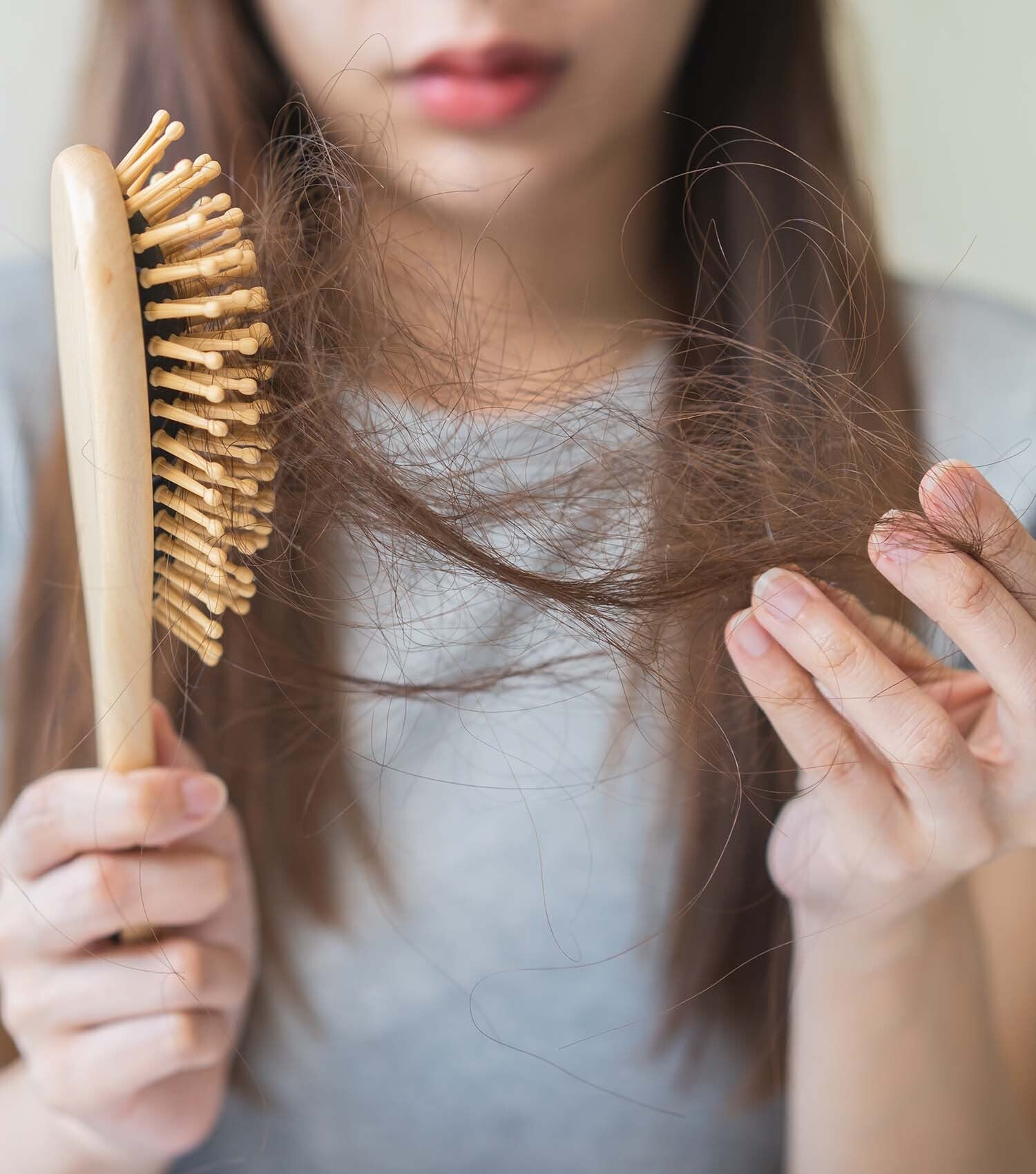
What is female pattern hair loss (FPHL) / androgenetic alopecia?
- Most common cause of hair thinning in women
- Affects all ages — teens to 90s
- Genetic & hormonal factors
- Treatable with early diagnosis
Female pattern hair loss (FPHL), also known as female androgenetic alopecia, is the most common cause of hair thinning in women. It can begin at any age, from adolescence to the tenth decade of life, across all ethnicities. Unlike the receding hairline seen in men, FPHL presents as diffuse thinning at the temples and crown; in advanced cases the parting widens and volume is significantly reduced.
The underlying cause is a complex interaction between genetic predisposition and androgen hormones, which shorten the growth cycle, miniaturise follicles, and produce progressively finer hairs. FPHL often coexists with other factors, including polycystic ovary syndrome (PCOS) or thyroid dysfunction, nutritional deficiencies, poor hair care, and the menopause. A correct diagnosis is essential before treatment is started.
At Dr Ophelia's specialist practice, every patient with suspected FPHL receives a thorough assessment, including a detailed history, hormonal and nutritional blood tests when indicated, and a scalp examination. Advanced imaging with HairMetrix and the Global Hair Device objectively measures density, miniaturisation, and progression, providing a precise baseline that underpins effective long term treatment planning.
What are my treatment options?
- Topical & oral therapies
- Regenerative treatments
- Minoxidil free options available
- Bespoke treatment plans
Effective treatment for FPHL requires a personalised approach; no single solution works equally well for all women. After a comprehensive assessment, Dr Ophelia develops an evidence based plan tailored to your pattern of hair loss, hormonal status, scalp health, lifestyle, and goals. As FPHL is often multifactorial, treatment frequently targets several contributing factors at once.
Medical options include topical therapies with minoxidil, finasteride, and melatonin; oral medications such as spironolactone and low dose oral minoxidil; and, where relevant, adjustment of hormonal treatments. For women who cannot tolerate standard minoxidil due to scalp irritation, excessive shedding, or side effects, bespoke minoxidil free formulations ensure an effective option remains accessible.
For women seeking regenerative approaches, Dr Ophelia offers advanced in clinic treatments: platelet rich fibrin (PRF) therapy, which uses growth factors from your own blood to stimulate follicles and improve scalp vascularity; dutasteride mesotherapy, a targeted injectable to reduce androgen-driven miniaturisation; and polynucleotide (PDRN) treatments, which support follicle repair at a cellular level. Learn more about PRF hair restoration.
Treatment response is monitored regularly with HairMetrix and the Global Hair Device, so plans can be adapted as your hair responds and progress is clearly documented throughout your care.
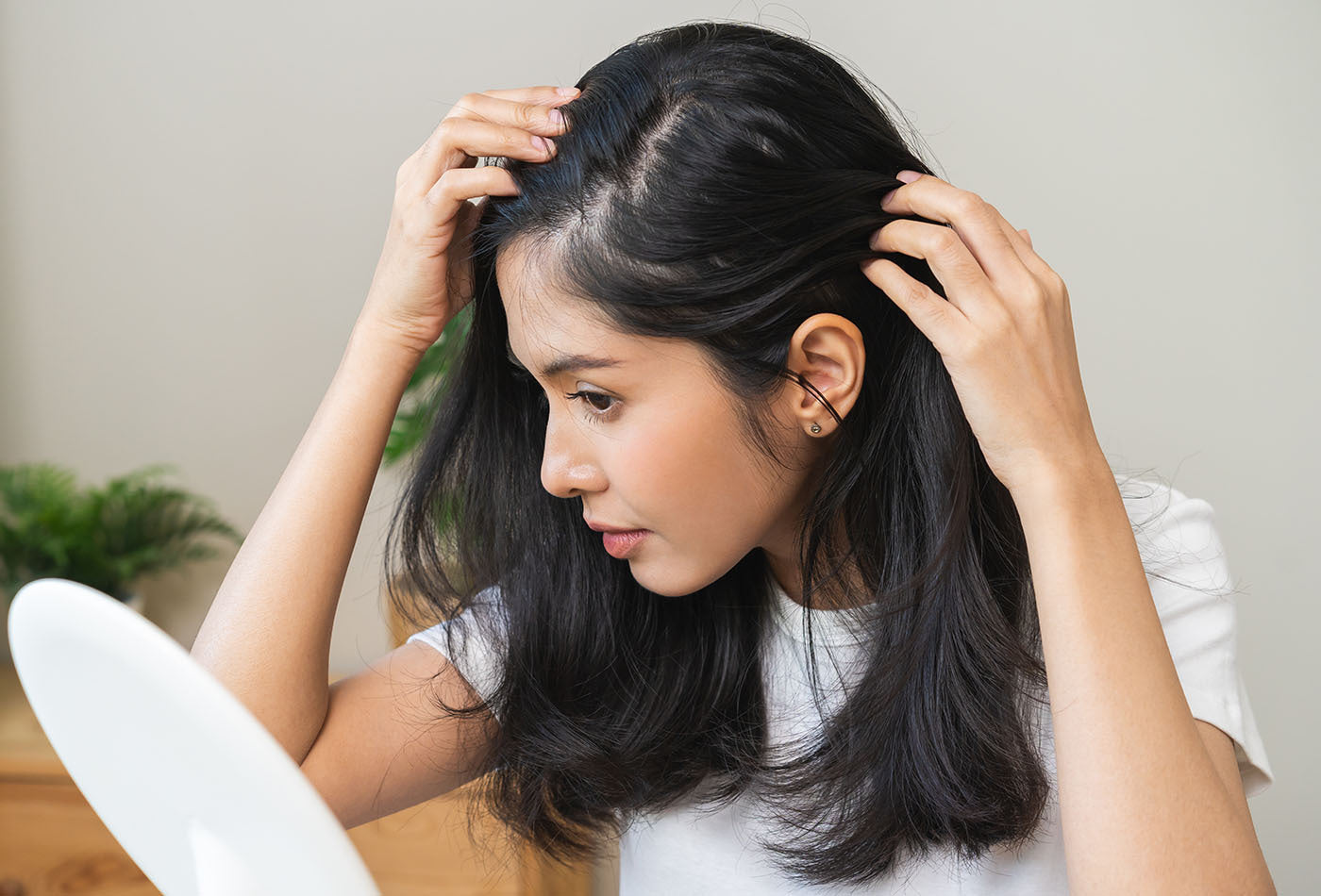
Why visit Dr. Ophelia to treat your Female Pattern Hair Loss?
- Award-winning consultant dermatologist
- Specialist interest in hair & scalp disorders
- PhD in hair follicle bioengineering
- Deep scientific expertise in follicle biology
- Founder, UCLH tertiary hair clinic
- Developed specialist services for complex cases
- HairMetrix & Global Hair Device for objective monitoring & outcome tracking
Dr Ophelia Veraitch is one of the UK's leading specialists in female hair loss. An award winning Consultant Dermatologist with a PhD in Hair Follicle Bioengineering and founder of the tertiary Hair Clinic at University College London Hospitals (UCLH), she has dedicated her career to treating hair loss at the highest level of expertise. Her background in follicle biology gives a depth of understanding beyond standard dermatological training.
She treats women with FPHL across the full spectrum of age and severity, from teenagers with early onset thinning linked to PCOS to women in their eighties and nineties. Her practice includes some of the most complex and treatment-resistant cases in the country, with referrals from fellow dermatologists when standard approaches have not succeeded. Many patients have seen several practitioners before arriving, and her ability to identify overlooked factors frequently produces results where others have not.
Her expertise has been recognised in the national media through her successful treatment of journalist Sarah Vine, who has spoken publicly about severe hair thinning and the significant improvement she achieved under Dr Veraitch's care. Watch the Sarah Vine feature.
Dr Ophelia understands that hair loss can profoundly affect confidence, identity, and emotional wellbeing. She listens carefully, explains findings clearly, and sets realistic, evidence-based goals. Her objective monitoring ensures every patient sees measurable evidence of progress, with plans refined over time on real data rather than assumption.
HELP
Frequently Asked Questions - Female Pattern Hair Loss
FPHL can begin at any age after puberty. Dr Ophelia sees women at all stages of life, from teenagers with early onset thinning related to conditions such as PCOS to women in their eighties and nineties with progressive loss. Age of onset, pattern of thinning, and contributing factors all shape the most appropriate treatment, so a personalised assessment matters.
Diagnosis involves a detailed clinical history, scalp examination, and targeted blood tests for hormonal, thyroid, iron, and nutritional status, with a scalp biopsy in some cases. Dr Ophelia uses HairMetrix and the Global Hair Device to measure density and miniaturisation precisely, giving an objective baseline. Many cases have contributing factors found only through investigation, so a comprehensive assessment is essential before treatment begins.
Yes! With early diagnosis and an appropriate plan, many women achieve meaningful improvements in density and a significant slowing of progression. Results depend on the stage of hair loss, individual response, and how consistently treatment is maintained; even in advanced cases, it can preserve existing hair and improve coverage.
The perimenopause and menopause are a common trigger for thinning in women genetically predisposed to FPHL. Oestrogen protects the hair cycle, and as levels decline the influence of androgens increases, accelerating miniaturisation. Dr Ophelia has extensive experience managing hair loss through the menopause, including assessment of HRT. Watch Dr Ophelia's video on HRT, skin, and hair.
This is very common, and does not mean treatment has failed or that no options remain. Many women cannot tolerate standard alcohol based minoxidil due to scalp irritation, dryness, or excessive shedding. Dr Ophelia can offer bespoke minoxidil free formulations including finasteride and melatonin, alongside oral lymecycline, regenerative treatments like PRF and dutasteride mesotherapy, and hormonal approaches such as oral spironolactone. A thorough reassessment often reveals overlooked factors.
Platelet-rich fibrin (PRF) therapy is a regenerative treatment that uses growth factors from a small sample of your own blood to stimulate dormant follicles, improve scalp vascularity, and support the growth cycle. The concentrated platelets and fibrin are injected into thinning areas. PRF suits women who prefer a natural, autologous approach or want to complement medical treatment. Learn more about PRF at Dr Ophelia's clinic.
Yes. Polycystic ovary syndrome (PCOS) is associated with elevated androgen levels, which can trigger or accelerate FPHL in genetically susceptible women, often from the teenage years, sometimes alongside features such as acne or excess facial hair. Dr Ophelia has extensive experience managing hair loss in young women with PCOS, addressing both the hormonal factors and the thinning directly.
Trichologists are not medically qualified and cannot diagnose conditions, request or interpret blood tests, prescribe medications, or perform procedures. A Consultant Dermatologist such as Dr Ophelia is a fully qualified medical doctor with specialist postgraduate training in skin, hair, and scalp disorders. For complex or progressive hair loss, the ability to investigate underlying causes and prescribe evidence-based treatments is critical. Watch Dr Ophelia explain the difference.
Hair has a naturally slow growth cycle, so visible improvements typically take at least three to six months, with the best results often after twelve months or more. Stabilising hair loss and preventing further progression is often the first sign treatment is working, and this alone is a significant benefit. Dr Ophelia uses HairMetrix and the Global Hair Device to track changes in density and follicle health, detecting improvements early.
FPHL is a progressive, genetic condition, so long term treatment is usually required to maintain results; if it stops, hair loss typically resumes. Many women find that once density has improved or stabilised, ongoing treatment is less intensive than the initial phase. Dr Ophelia develops a sustainable, long-term strategy that fits each patient's lifestyle and goals.
Many of Dr Ophelia's patients have already seen other practitioners, including general dermatologists, trichologists, and commercial hair loss clinics, before attending her practice. Her academic background, experience with complex and treatment resistant cases, and detailed diagnostic approach frequently uncover factors and treatment opportunities previously overlooked. A fresh, comprehensive assessment often marks the turning point in a patient's care.