
Eczema
BOOK A CONSULTATIONWhat is eczema and what causes it?
- Affects all ages, from babies to adults
- Genetic, immune and environmental factors
- Relapsing and remitting course
- Very effectively treated with specialist care
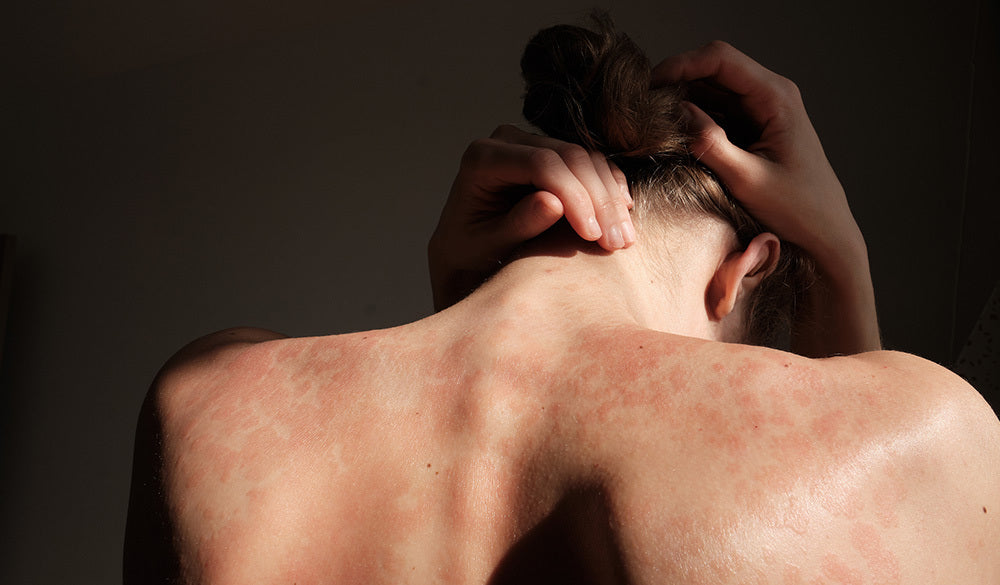
Eczema, also known as atopic dermatitis, is a chronic inflammatory skin condition that causes dry, intensely itchy, red and irritated skin. One of the most common skin conditions worldwide, it affects all ages and follows a relapsing and remitting course.

The fundamental problem is an impaired skin barrier combined with an overactive immune response. Defects in barrier proteins, particularly filaggrin, let the skin lose water and become vulnerable to triggers, driving a cycle of dryness, inflammation, and itch that is hard to break without targeted treatment.
The causes are multifactorial. Genetics play a central role, and the condition runs strongly in families. Environmental triggers vary but commonly include soaps, detergents, and fragrances; dust mites, pet dander, and pollen; certain foods, particularly in younger children; stress and sleep disruption; temperature changes; and Staphylococcus aureus skin colonisation, a frequently overlooked bacterial factor that drives inflammation and recurrent flares. Identifying which triggers are relevant to each patient is one of the most important and often underperformed aspects of eczema management.
The itch-scratch cycle is a central and debilitating feature: persistent itching leads to scratching, which damages the skin barrier further and perpetuates the cycle. Its psychological impact, including sleep disturbance, anxiety, and reduced quality of life, is substantial and taken seriously in every consultation at Dr Ophelia's clinic.
What are my treatment options for eczema?
- Trigger identification and management
- Steroid and non-steroid topical treatments
- Staph eradication regimens
- Dupilumab and biologic therapies
- JAK inhibitors
- CBT-based itch management
Effective treatment begins not with a prescription, but with a thorough understanding of what is driving each patient's condition. A detailed history, covering previous treatments, triggers, skincare, environmental exposures, sleep, stress, and diet, is the foundation of Dr Ophelia's approach.
Trigger investigation is central to the initial assessment. Dr Ophelia evaluates for contact allergies (which may require patch testing), airborne allergens, and food triggers, particularly in children. Staphylococcus aureus colonisation is assessed and addressed where relevant, using targeted decolonisation regimens.
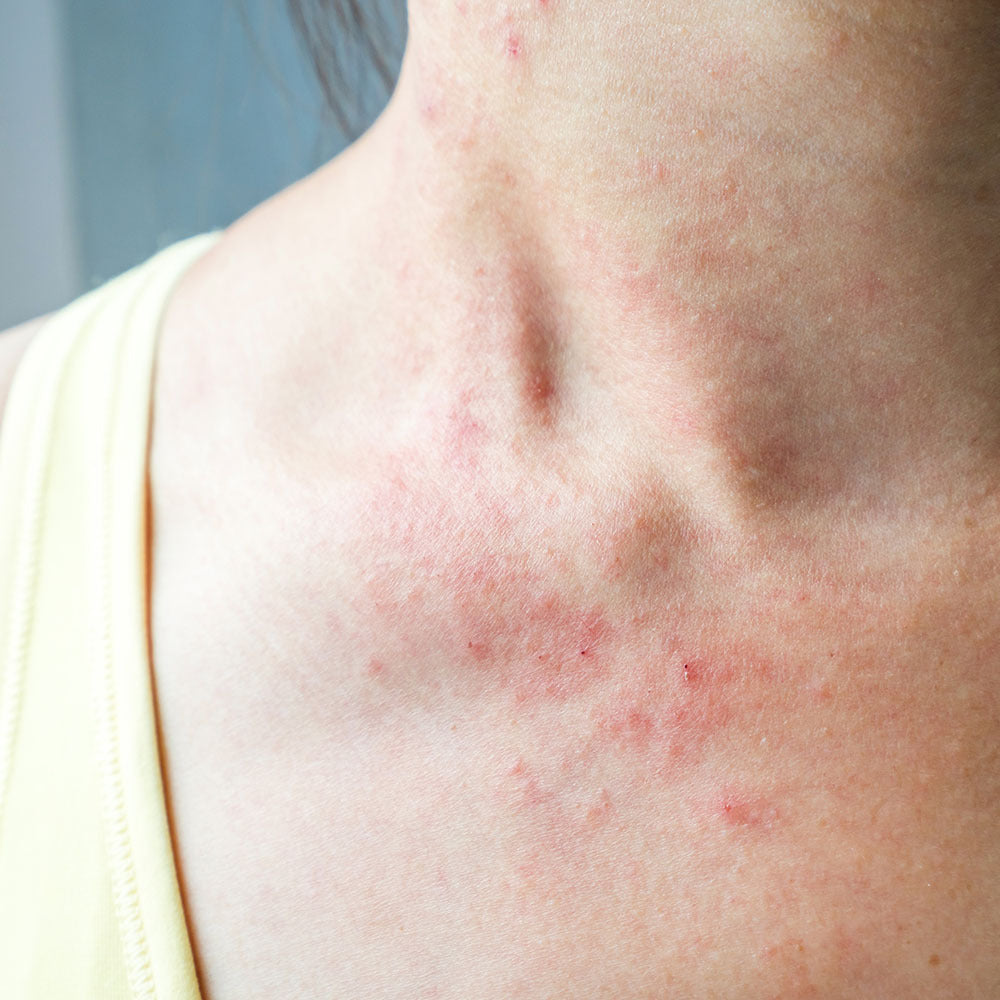
The foundation of medical treatment is a well structured skincare plan combining generous emollient use with active topical therapies: topical corticosteroids, and calcineurin inhibitors such as tacrolimus and pimecrolimus for sensitive areas including the face and eyelids. A reducing regimen followed by proactive maintenance therapy is often the key to breaking the cycle and achieving sustained control.
For more severe, widespread, or treatment-resistant eczema, advanced systemic therapies have transformed outcomes. Dupilumab, a biologic targeting the IL-4 and IL-13 pathways central to atopic inflammation, is highly effective for moderate to severe eczema with an excellent safety profile. Newer oral JAK inhibitors offer an option where rapid control is needed or dupilumab has not worked, and phototherapy and immunomodulatory medications such as methotrexate and ciclosporin remain important options. Dr Ophelia has extensive experience managing patients on all of these.
The itch-scratch cycle is addressed directly: for patients in whom psychological factors, stress, or habitual scratching drive skin damage, Dr Ophelia incorporates cognitive behavioural therapy (CBT) based approaches such as habit reversal, alongside medical treatment.
Why should I see Dr Ophelia Veraitch for eczema treatment in London?
- Trained at Guy's and St Thomas' tertiary eczema centre. One of the UK's leading centres for complex atopic disease
- Led the tertiary eczema clinic at UCLH, Experienced in the most severe and complex presentations
- Dupilumab and JAK inhibitor expertise, Full access to the newest biologic and systemic therapies
- CBT-based itch management, Addressing the psychological dimension of chronic eczema
Dr Ophelia Veraitch trained in dermatology at Guy's and St Thomas' NHS Foundation Trust, one of the UK's leading tertiary centres for complex atopic dermatitis, before going on to lead the tertiary eczema service at University College London Hospitals (UCLH). She has spent years managing some of the most severe and treatment resistant cases in the country, a depth of experience she brings to every patient.

A particular strength of her approach is the thoroughness of her trigger investigation. Many patients with difficult-to-control eczema have an identifiable, addressable factor missed in previous consultations, and finding it can transform the course of eczema in those who have struggled for years with treatments that target the inflammation but not its cause.
For moderate to severe eczema, her experience prescribing and monitoring advanced therapies such as dupilumab and JAK inhibitors in a private setting ensures effective treatment without the waiting times and access limitations that can affect NHS pathways.
Her goal is to take a fresh, thorough look at each patient's condition, identify what has been missed, and create a treatment plan that finally achieves the control they need.
HELP
Frequently Asked Questions — Eczema Treatment
Eczema and atopic dermatitis refer to the same condition; "atopic dermatitis" is the clinical term, while "eczema" is more common among patients. Other forms, including contact dermatitis and seborrhoeic dermatitis, are distinct conditions, so an accurate diagnosis is important.
Recurring eczema usually indicates that underlying triggers are not being adequately addressed, such as contact allergies, Staphylococcus aureus colonisation, allergen exposure, or a maintenance plan stopped too soon. Dr Ophelia systematically identifies factors overlooked previously, often the key to sustained control.
Staphylococcus aureus (staph) is a bacterium that colonises the skin of most people with eczema, often in higher quantities than normal, producing toxins and enzymes that damage the skin barrier and drive inflammation. Dr Ophelia assesses for it and, where relevant, uses targeted decolonisation regimens that can improve flare frequency and severity.
Topical corticosteroids are among the most effective treatments for eczema when used correctly, with the right strength, quantity, and a structured regimen rather than reactive use. Under medical supervision they are safe for long term use, and Dr Ophelia's proactive maintenance approach reduces the steroid needed by preventing flares developing.
Topical steroid withdrawal (TSW), sometimes called red skin syndrome, describes redness, burning, stinging, and increased sensitivity that some report after stopping prolonged or inappropriate steroid use, and remains an area of ongoing debate. Because many conditions, including eczema itself, flare when treatment is reduced, Dr Ophelia takes a careful, individualised approach before recommending a balanced plan.
Dupilumab is a biologic therapy, given by injection every two weeks, that blocks the IL-4 and IL-13 pathways driving atopic dermatitis, with trials showing sustained reductions in severity, itch, and quality of life impairment in moderate to severe disease. With an excellent safety profile it is now a first line advanced therapy that Dr Ophelia has extensive experience prescribing and monitoring.
JAK inhibitors are oral medications that block the Janus kinase pathways involved in atopic inflammation. Unlike injected dupilumab, they act more broadly and can produce rapid symptom relief, useful for severe flares or where dupilumab has not worked. Dr Ophelia has experience with both and recommends the most appropriate therapy for each patient's profile, history, and preferences.
Yes, though it requires addressing both the physical and behavioural dimensions of chronic itch, as scratching is partly reflex and partly a learnt habit that persists even when the skin is not inflamed. CBT-based approaches such as habit reversal training help patients interrupt unconscious scratching, which Dr Ophelia incorporates alongside medical treatment for the inflammation.
Food triggers are more relevant in young children than adults; in children, common triggers include cow's milk, egg, wheat, soy, and peanut. Because unnecessary dietary restriction can cause nutritional harm, any suspected trigger should be assessed by a clinician rather than self managed, and Dr Ophelia assesses dietary factors as part of her initial consultation.
Yes. Stress activates the hypothalamic-pituitary-adrenal axis and triggers neuroinflammatory responses that can directly worsen eczema, and it disrupts sleep, which further impairs skin barrier function and immune regulation. Dr Ophelia addresses stress within a holistic plan, including CBT based strategies and referral for psychological support where needed.
You should seek specialist assessment if your eczema is affecting your sleep, work, or daily life; if it is not responding to prescription treatments from your GP; if it is becoming frequently infected; if you are using significant quantities of topical steroids without sustained control; or if you would like assessment for advanced therapies. A Consultant Dermatologist with specialist expertise can identify overlooked contributing factors, provide access to the full range of treatments, and develop a management plan tailored to your condition.