
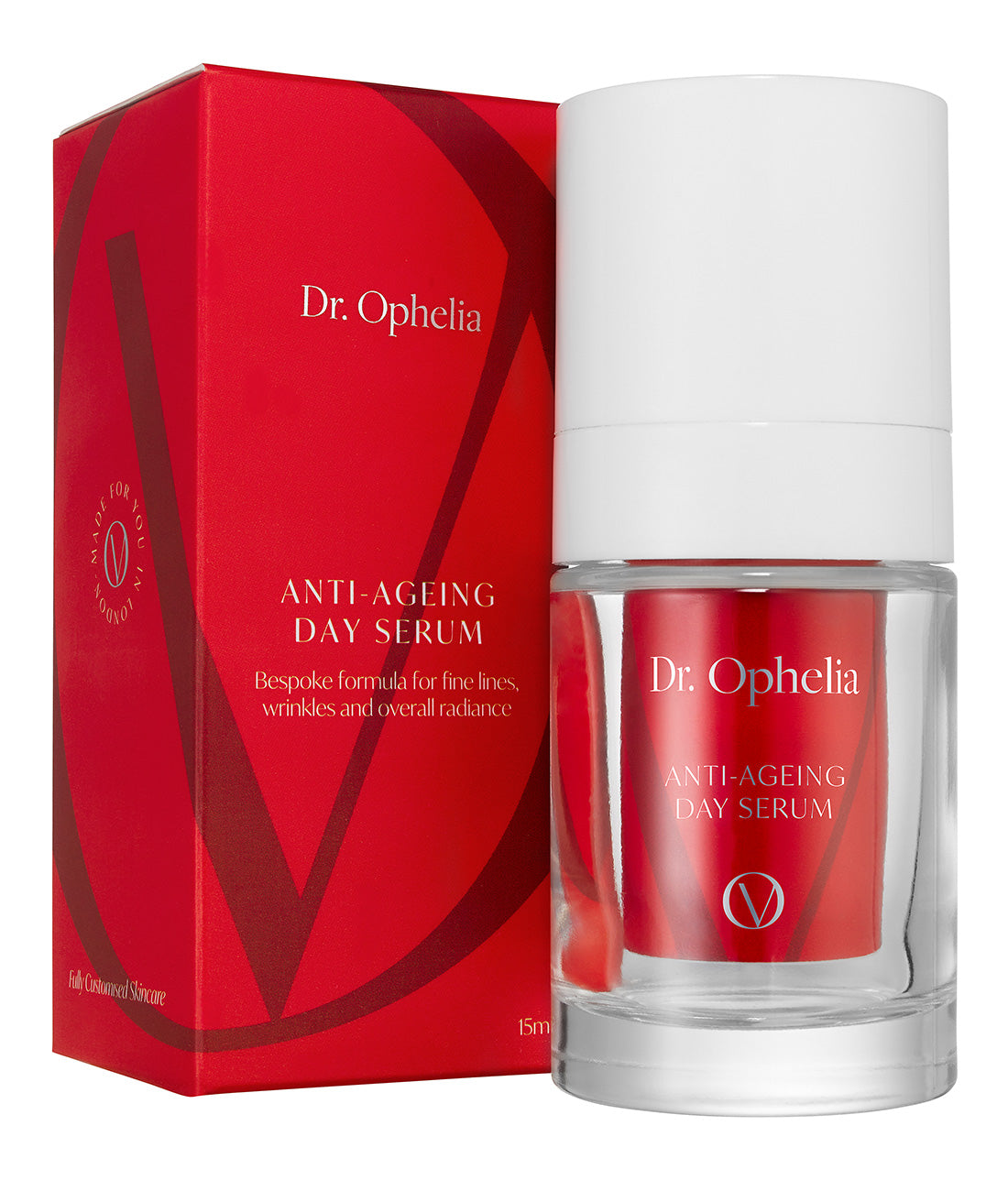
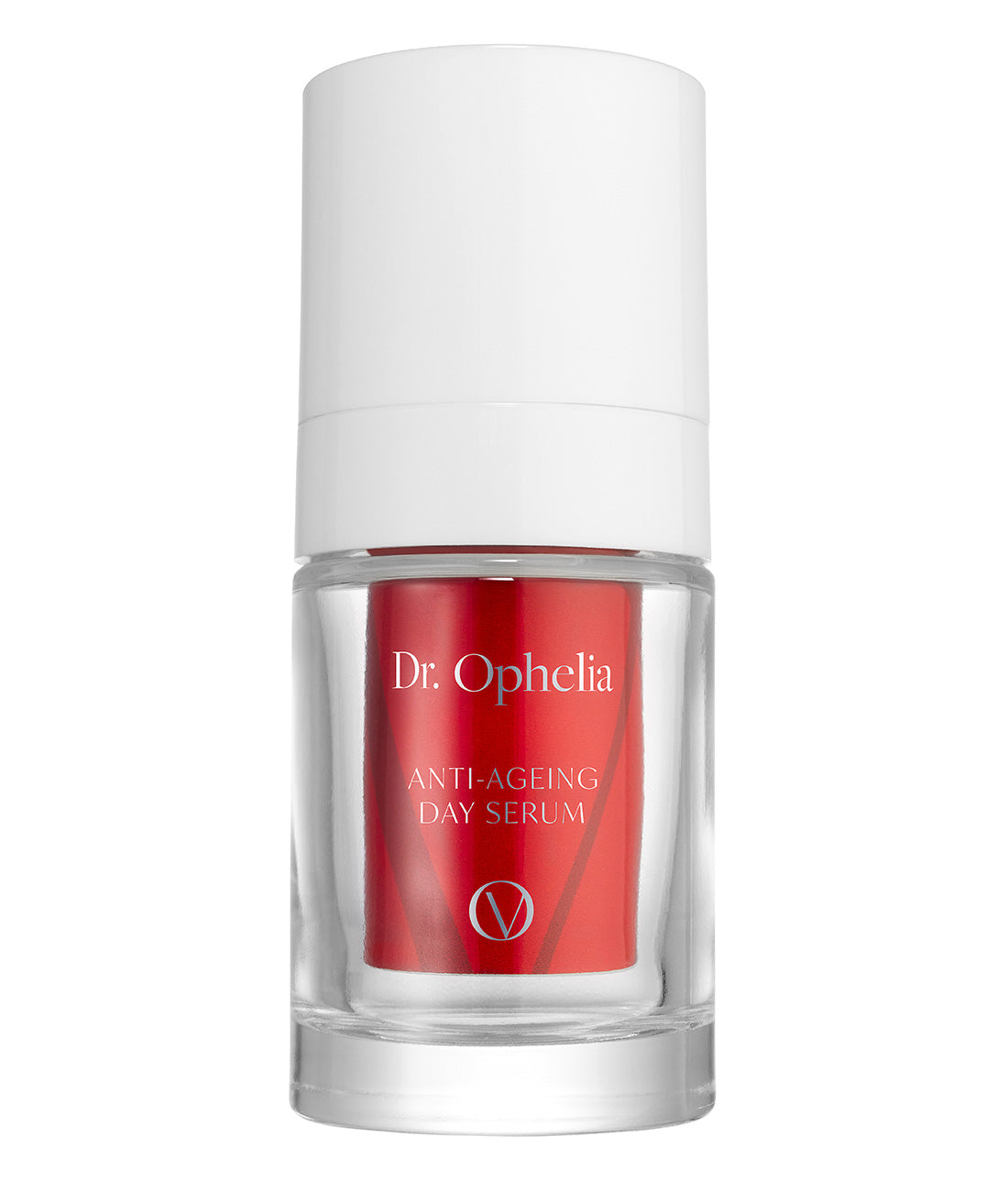
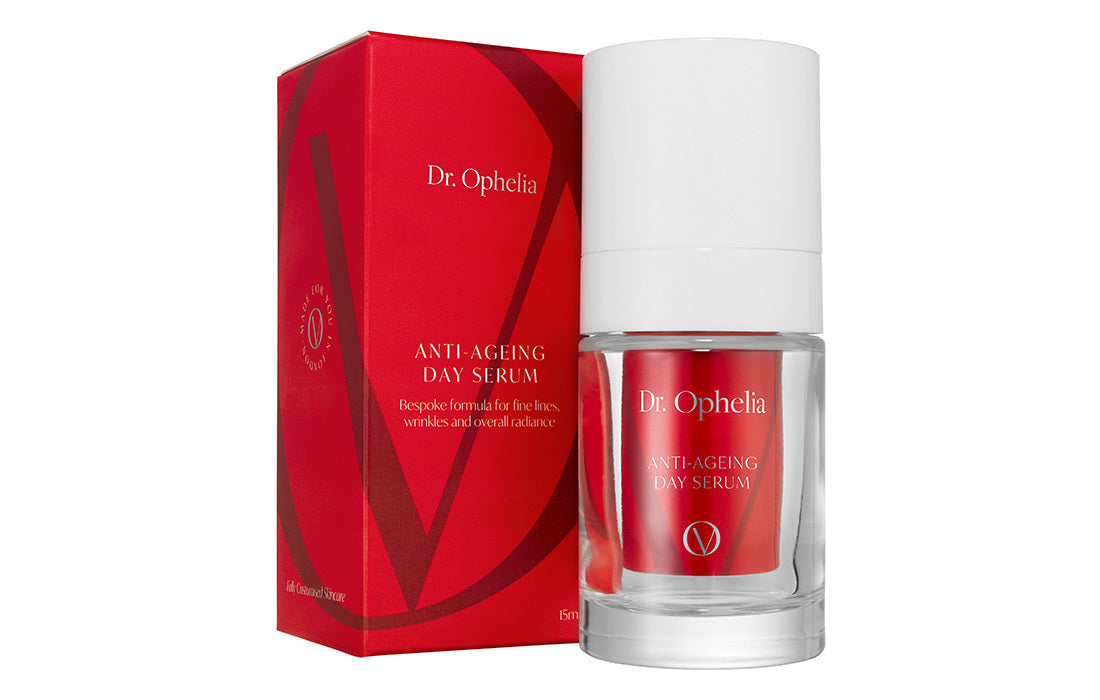
ANTI-AGEING DAY SERUM
Bespoke formula for fine lines, wrinkles and overall radiance with new and improved formulations.
A results-driven bespoke formulation with 2 potent anti-oxidants, Vitamin C and E, tailored to your needs to help reduce the appearance of fine lines and wrinkles and also to protect the skin from future damage. Vitamin C may also help to brighten and even out the overall skin tone as it can inhibit melanin production. Vitamin E may help soothe redness and inflammation in the skin.
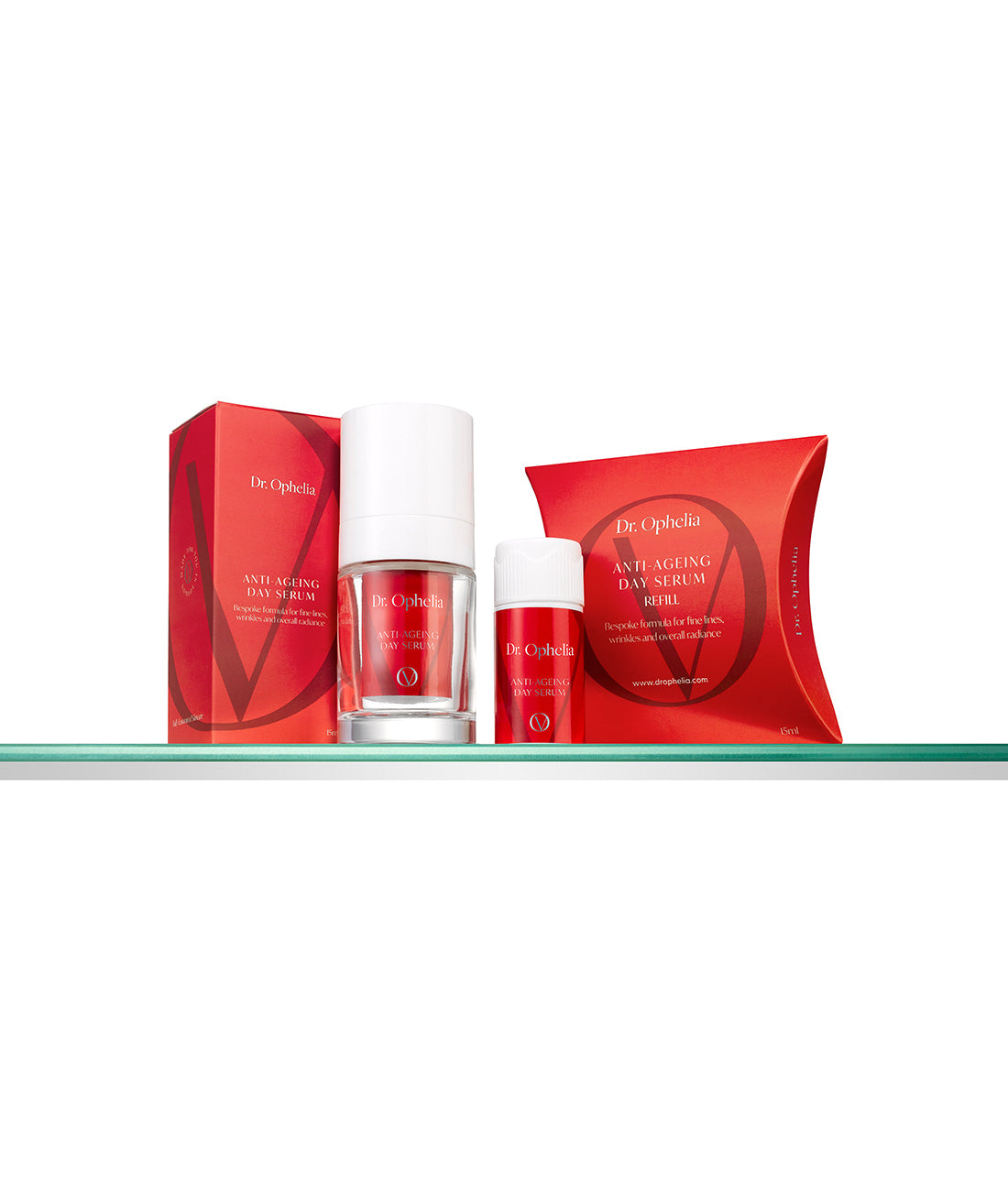
New environmentally friendly 15ml refill pumps. 1 pump a day advised to the face gives a dose of 0.5mls per day to the face. Subscription advised and monthly refills will be sent out for repeat orders.
Recyclable Packaging
Suitable for Vegans and Filler Free
Choose options
Your Vitamin C Has Probably Already Expired
If you have bought a vitamin C serum, you have almost certainly watched it turn yellow, then orange, then brown, and assumed that was normal. It is normal. It also tells you it has stopped working.
Vitamin C in its active form, L-ascorbic acid, is one of skincare's least stable ingredients. It oxidises on contact with air, light, heat and the wrong pH, converting into compounds that do nothing useful for skin. The colour change is the visible end of a process running since the day the serum was made.
A bottle on a shelf has been manufactured, shipped, warehoused, displayed, bought, then kept in your bathroom. That clock started at manufacture, not purchase, and the colour of what remains fairly indicates how much vitamin C is still left.
This serum is made to order, not batched or stockpiled. A UK pharmacy compounds it to your formulation after reviewing your questionnaire, and you use it within months, not years. You wouldn't drink two-year-old milk.
Why Both Vitamins, and Not Just the One
Vitamin E is here because of what it does to vitamin C. When vitamin C neutralises a free radical, it oxidises and becomes useless. Vitamin E regenerates it, converting it back to its active form. The two mutually stabilise each other, which is why they occur together naturally in skin, and published work on topical antioxidants has consistently found the combination provides substantially more photoprotection than either alone.
The liposomal part: Vitamin C is water-soluble, and the outer layer of skin is lipid-rich, an awkward combination that explains why much topical vitamin C never reaches where it should act. A liposomal preparation encases it in a lipid envelope, helping it cross that barrier and protecting it from oxidising along the way.
The airless pump: Vitamin C and vitamin E both readily oxidise on contact with air. A dropper bottle introduces fresh oxygen with every opening, which is why many vitamin C serums are browner at the bottom than the top. An airless pump does not.
What Goes Into It
Function-based information about the ingredients. For a diagnosis and a treatment plan, see a dermatologist.
Liposomal Vitamin C - The most studied antioxidant in skincare. It neutralises free radicals generated by ultraviolet light and pollution, is an essential cofactor for the enzymes that build collagen, and interferes with pigment production, which is why it is used for tone and evenness as well as ageing.
Vitamin E - A fat-soluble antioxidant that works in the skin's lipid layers where vitamin C cannot reach, so the two cover different territory and regenerate each other. It also supports the barrier and calms irritation, which matters in a formula worn every morning under sunscreen and makeup.
Personalised, individually, concentration and base vary by skin type. Vitamin C at a concentration that suits resilient skin will sting reactive skin, and a base that suits dry skin sits badly on oily skin under makeup. Both are decided from your questionnaire and can be changed at any point.
The serum is fragrance-free and formulated without the ingredients dermatologists most commonly see cause contact allergy. If you have been patch tested, send the list, and we'll check the formulation against it. It is not preservative-free. A preservative system keeps a leave-on product safe over the months of use, and any product claiming to have none is worth questioning. It does not carry the heavier load of a product built to survive years on a shelf.
Made To Order, Not Made In Batches
Most skincare, including most prescription skincare, relies on a handful of set variables manufactured in large batches, with a questionnaire routing you to the nearest option. Here, nothing exists until it is prescribed, and you can set and change the actives, concentrations, and base independently. This formula has a second consequence, which this page covers. A made-to-order product doesn't need to survive two years, so its active hasn't spent two years degrading before you open it.

What This Sits Alongsides
A serum is not a routine. Use a simple cleanser, a moisturiser chosen for your skin, and a good sunscreen every morning. Vitamin C is not a sunscreen, and nothing on this page should be read as suggesting it is. It mops up some of the free radical damage that gets through, a useful second line of defence, but a hopeless first one.
In-clinic treatment is available at 130 Harley Street where wanted, not as a condition of this working. Non-topical treatments respond to volume loss, significant laxity, established deeper lines, broken vessels, and textural change.
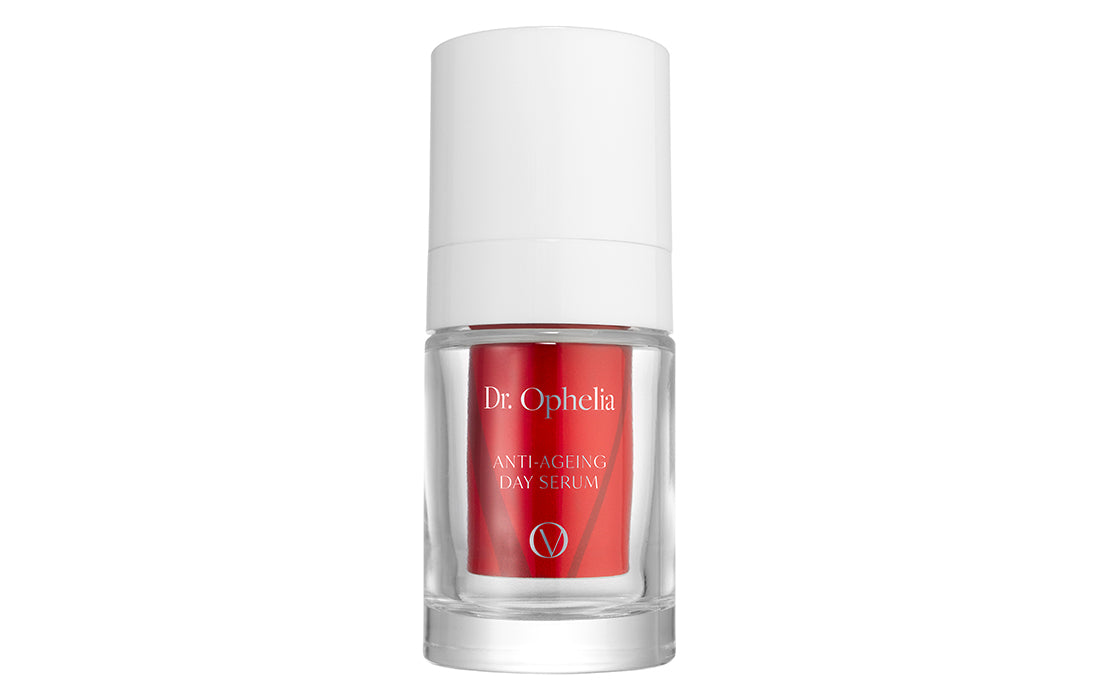
The Day and Night System
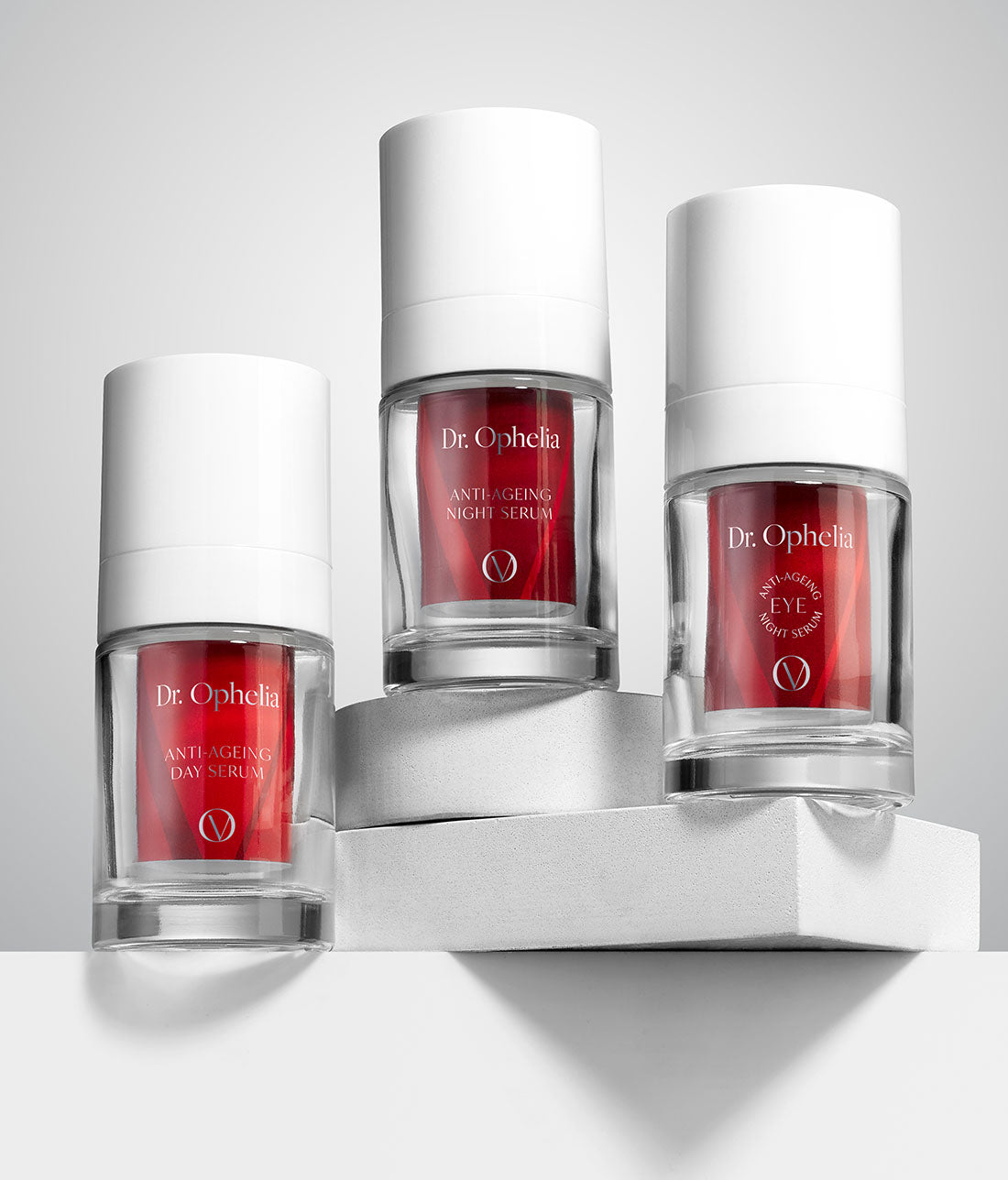
This is the morning half of a three-part range. Mornings get antioxidants because oxidative load happens then, and vitamin C works well under sunscreen. Nights get a retinoid in the Anti-Ageing Night Serum, which requires an assessment because it contains a prescription-only medicine. For the eye area, there is a separate formulation at a lower concentration in a lighter base.
Who This Is For
Anyone who wants an antioxidant that is actually still active. People who have bought vitamin C and been underwhelmed, since the most common explanation is that it stopped being vitamin C. People who cannot tolerate a retinoid or are not ready for one, since this is considerably gentler and a reasonable place to start. People already using a retinoid at night, for whom antioxidants in the morning are the natural other half.
Pregnant or breastfeeding - This is the one serum in the anti-ageing range that is generally suitable, since the Night and Eye Night Serums contain a retinoid and cannot be used. Tell the team in the questionnaire so it is reviewed personally rather than approved against a protocol.
What this can and cannot do - Antioxidants are preventive more than corrective. They protect against accumulating damage and support the machinery that builds collagen. They do not remove lines already established. If you want visible change to existing lines, the retinoid at night does more, and in-clinic treatment more still. This is the foundation rather than the whole answer.

What This Sits Alongside
A serum is not a routine. Use a simple cleanser, a moisturiser chosen for your skin, and a good sunscreen every morning. Vitamin C is not a sunscreen, and nothing on this page should be read as suggesting it is. It mops up some of the free radical damage that gets through, a useful second line of defence, but a hopeless first one.
In-clinic treatment is available at 130 Harley Street where wanted, not as a condition of this working. Non-topical treatments respond to volume loss, significant laxity, established deeper lines, broken vessels, and textural change.
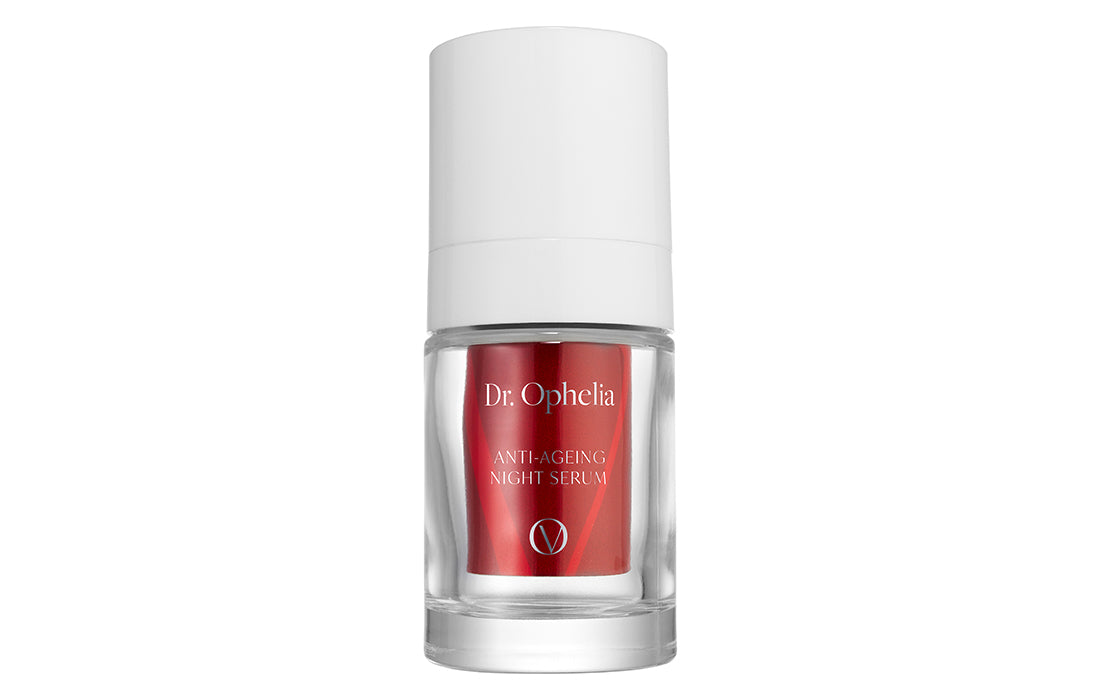
The Day and Night System
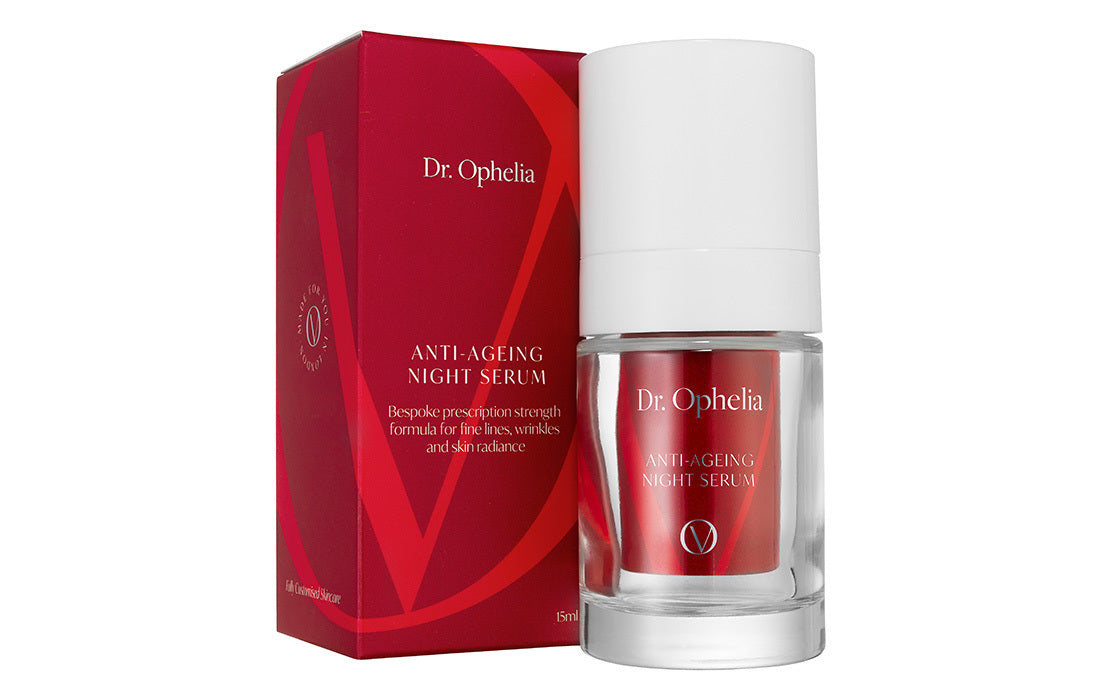
This is the morning half of a three-part range. Mornings get antioxidants because oxidative load happens then, and vitamin C works well under sunscreen. Nights get a retinoid in the Anti-Ageing Night Serum, which requires an assessment because it contains a prescription-only medicine. For the eye area, there is a separate formulation at a lower concentration in a lighter base.
Who This Is For
Anyone who wants an antioxidant that is actually still active. People who have bought vitamin C and been underwhelmed, since the most common explanation is that it stopped being vitamin C. People who cannot tolerate a retinoid or are not ready for one, since this is considerably gentler and a reasonable place to start. People already using a retinoid at night, for whom antioxidants in the morning are the natural other half.
Pregnant or breastfeeding - This is the one serum in the anti-ageing range that is generally suitable, since the Night and Eye Night Serums contain a retinoid and cannot be used. Tell the team in the questionnaire so it is reviewed personally rather than approved against a protocol.
What this can and cannot do - Antioxidants are preventive more than corrective. They protect against accumulating damage and support the machinery that builds collagen. They do not remove lines already established. If you want visible change to existing lines, the retinoid at night does more, and in-clinic treatment more still. This is the foundation rather than the whole answer.
Skin consultation, 130 Harley Street. £375
How to Use
Use one pump (about 0.5ml) on clean, dry skin each morning, before moisturiser and sunscreen. Apply sunscreen on top every day.
Some tingling at first is common. If it doesn't settle, you can change the concentration or base.
Store it somewhere cool and dark with the cap on. The airless pump does most of the work, but a sunny windowsill will undo it.
Allow twelve weeks for tone and radiance, and longer for anything structural.
Frequently Asked Questions
Look at the colour. Fresh preparations are clear to pale straw. Yellow means oxidation has begun, orange means it is well advanced, and brown means it is no longer doing what you bought it for.
It does, as everything containing vitamin C does. The difference is the clock: it's compounded when ordered, uses an airless pump rather than a dropper, includes a liposomal formulation, and adds vitamin E to regenerate it.
Neither ingredient needs a prescription alone. The bottle does, because it is compounded at a concentration and in a base chosen for your skin, and a pharmacist can only make it once you've directed the formulation. It takes about two minutes.
Yes, antioxidants in the morning and retinoid at night. The retinoid requires its own assessment.
Generally yes, and it is the anti-ageing formula to use while pregnant or breastfeeding. Tell the team in the questionnaire so it is reviewed personally.
No. Antioxidants deal with some of the damage that gets past sunscreen. They are not a filter.
We can adjust the actives, concentrations, and base, and we don't make anything until it's prescribed. On vitamin C, that is the difference between an active ingredient and a coloured liquid. There is also a clinic behind it, not just a website.
£125 for a 15ml refill pump, roughly two months at one pump daily. It lasts six months from the date made, shorter than a shelf product, which is the point, not a limitation.
It is compounded to your specification, a listed exception to the fourteen-day cancellation right, and once opened, the sealed-goods exception applies for hygiene reasons. If it doesn't suit you, let the team know, and we can change the concentration or base.
AWARD WINNING PRIVATE CONSULTANT DERMATOLOGIST
Dr. Ophelia Veraitch is a globally recognised dermatologist with an unparalleled educational foundation and international expertise in both medical and aesthetic dermatology.
As a private consultant on Harley Street, she specialises in diagnosing and treating complex skin and hair conditions while also offering a full range of professional aesthetic treatments.
Alongside her clinical work, Dr. Ophelia has developed her namesake line of prescription-strength skin and hair products, bringing her world-class knowledge and experience directly into patients’ hands, to continue treating their skin at home.

Patients Most Often Pair This With
Anti-Ageing Night Serum
The retinoid half, prescribed after assessment
and started low, then built up.
A skin consultation with Dr Ophelia, £375.
Particularly if anything in the list above applies to you.
Book Consultaion