
Sun Damage
What is sun damage and how does it affect the skin?
- Photoaging and UV-related skin changes
- Sunspots and solar lentigines
- Actinic keratoses and field cancerisation
- Medical and aesthetic consequences
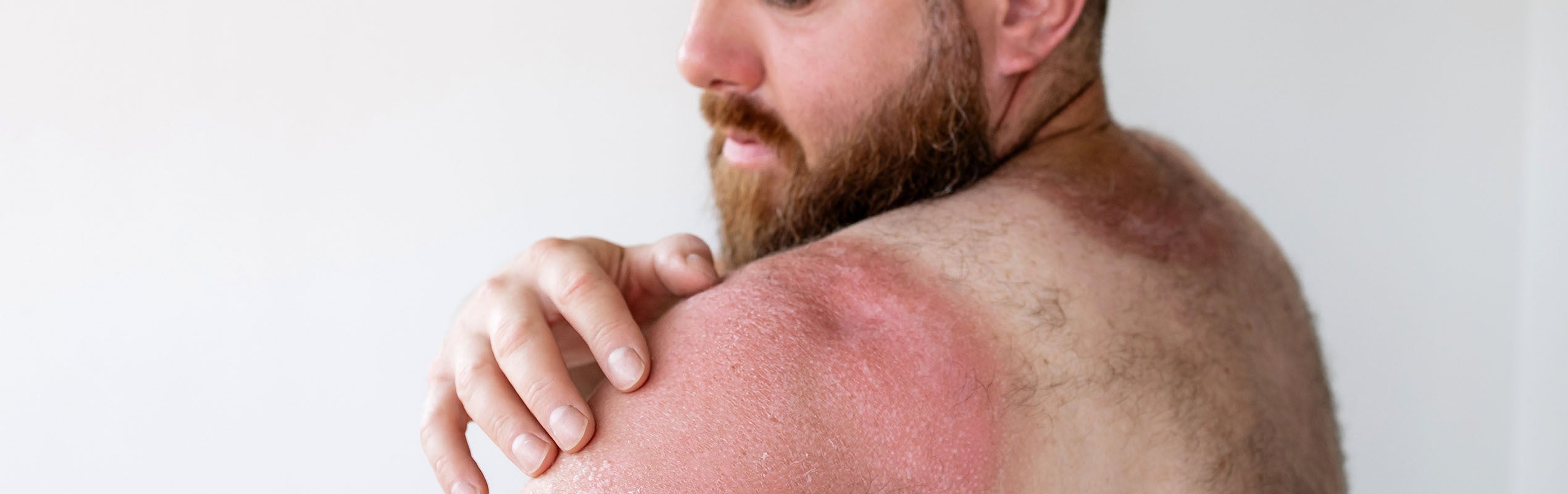
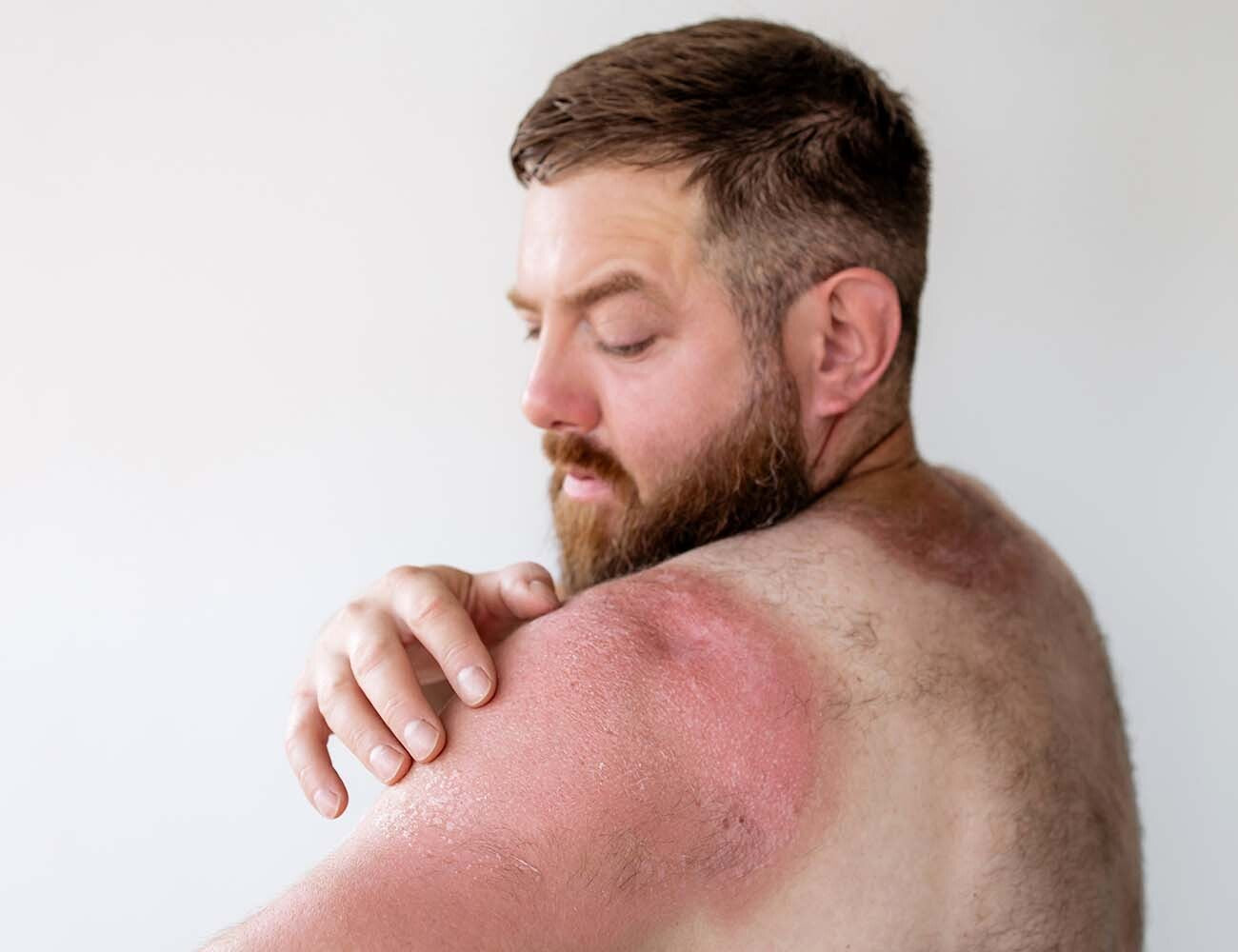
Sun damage, also called photoaging, is the cumulative result of years of ultraviolet (UV) radiation exposure on the skin. Unlike intrinsic ageing, which is driven by genetics and time, photoaging is an externally driven process that causes structural and cellular changes that accelerate the skin's visible deterioration and, in more significant cases, increase the risk of skin cancer.
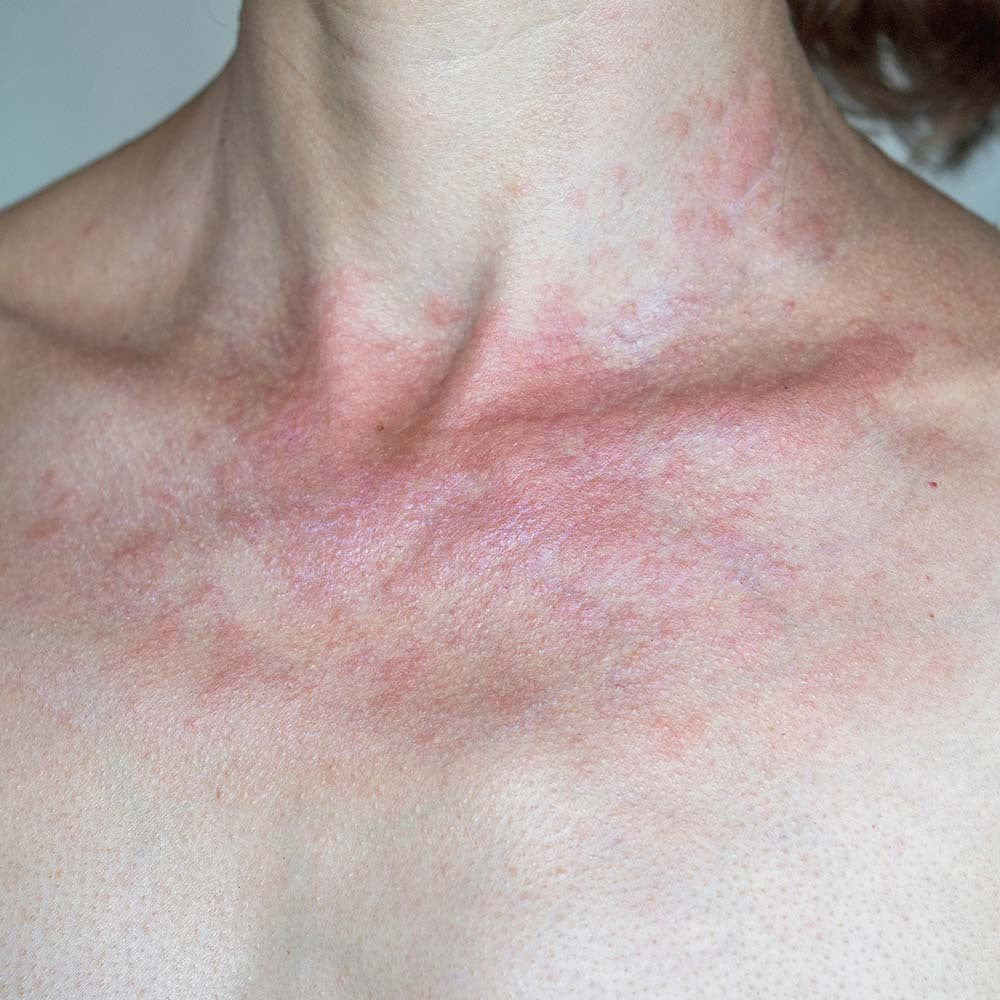
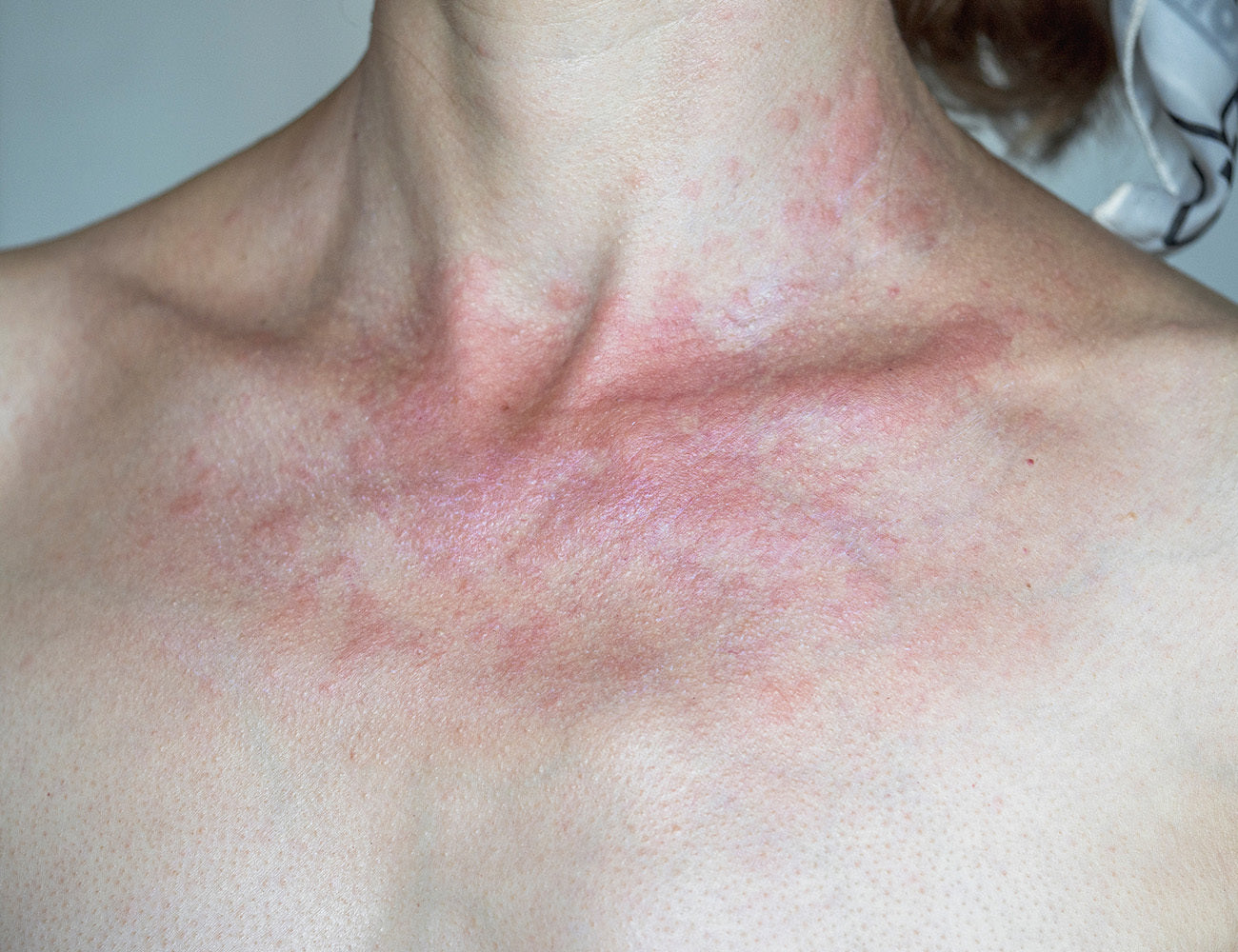
The visible consequences of cumulative UV exposure include uneven pigmentation, sunspots (solar lentigines), diffuse freckling, a sallow or rough texture, fine lines and wrinkles from collagen and elastin degradation, broken capillaries producing redness and visible vessels, and a loss of overall radiance. These changes typically appear in the thirties and forties, though earlier in those with repeated sunburn or outdoor work. UV damage accumulates from childhood, so the skin reflects decades of total exposure rather than recent habits.
Beyond the aesthetic consequences, chronic UV exposure carries genuine medical implications. Actinic keratoses (AKs) are rough, scaly, precancerous lesions of dysplastic keratinocytes on chronically sun-exposed skin that can, if untreated, progress to squamous cell carcinoma. Field cancerisation describes a broader pattern in which large areas of sun-exposed skin carry subclinical DNA damage across multiple cells, meaning visible actinic keratoses represent only the most advanced lesions in a background of widespread change — identifying and managing it is an important preventative priority. Chronic UV exposure also increases the risk of basal cell carcinoma and, for those with intense intermittent exposure or sunburn, melanoma.
Sun damage is therefore both an aesthetic and a medical concern, benefiting from a clinician who can evaluate both dimensions and treat them together. A full skin check is an integral part of every consultation at Dr Ophelia's clinic.
What are my treatment options for sun damage?
- Full skin checks and biopsy if required
- Topical field treatment with topical chemotherapy treatments
- Field change treatments with PDT, Fraxel Dual, IPL, Clear + Brilliant
- VISIA skin analysis
Treatment begins with a comprehensive skin assessment addressing both the medical and cosmetic dimensions of photoaging. Every consultation includes a full skin check for suspicious lesions, actinic keratoses, areas of field cancerisation, and any other changes warranting investigation. Where a lesion requires histological assessment, Dr Ophelia performs a skin biopsy in clinic to establish an accurate diagnosis and guide management.
For actinic keratoses or field cancerisation, prescription topical agents including 5-fluorouracil cream (Efudix), imiquimod, and diclofenac gel (Solaraze) treat both visible and subclinical precancerous changes across larger zones, an established, evidence-based approach to lowering the long-term risk of skin cancer. For more widespread or treatment-resistant field cancerisation, photodynamic therapy (PDT) combines a photosensitising agent with a specific wavelength of light to selectively destroy abnormal cells while sparing healthy tissue. As a Consultant Dermatologist, Dr Ophelia has the prescribing authority and expertise to offer this full range of medical treatments.
Advanced laser and light-based treatments address the cosmetic consequences of sun damage while also benefiting the skin structurally. Fraxel Dual resurfacing laser is among the most powerful and evidence-based technologies for treating established photoaging, delivering fractional laser energy that stimulates collagen remodelling, improves texture and elasticity, reduces pigmentation irregularities, and treats deeper solar damage; research from the Harvard dermatologists who developed it shows fractional resurfacing may also reduce the risk of subsequent actinic keratosis and skin cancer. IPL (intense pulsed light) is highly effective for diffuse pigmentation, sunspots, and the broken capillaries that contribute to redness and uneven tone. Clear + Brilliant, a gentler fractional laser, is used for earlier photoaging and maintenance. Where lesion removal has caused scarring, laser treatment is available to improve the scar's appearance.
Prevention is an integral component of every treatment plan. Dr Ophelia provides personalised guidance on broad-spectrum sun protection, including SPF 50 mineral sunscreens, tinted formulations for visible light, and protective clothing, alongside medical-grade topical skincare — retinoids, antioxidant serums, and growth factor formulations — that supports collagen production and reduces further UV-related damage. All patients undergo VISIA skin analysis and standardised medical photography, providing an objective baseline for tracking improvement over time.
Why should I see Dr Ophelia Veraitch for sun damage treatment in London?
- Award winning consultant dermatologist. Medical and aesthetic sun damage treatment under one roof
- Full skin checks and biopsy capability
- Precancerous lesion assessment and management
- Full prescribing authority. Solaraze, topical chemotherapy agents (Efudix, imiquimod), and PDT
- Fraxel Dual, IPL, Clear + Brilliant. Advanced photoaging and skin cancer prevention lasers
Sun damage sits at the intersection of medical and aesthetic dermatology, and care quality depends on the clinician's full diagnostic, prescribing, and procedural capabilities. Most aesthetic clinics cannot assess precancerous lesions, perform biopsies, or prescribe the medical treatments needed for field cancerisation, while most GP-led skin cancer checks do not offer the advanced laser and resurfacing technologies for the cosmetic consequences of photoaging. As a Consultant Dermatologist, Dr Ophelia Veraitch combines both, offering the complete range of medical treatments for sun-damaged and precancerous skin — topical chemotherapy agents, photodynamic therapy, and skin biopsies.
Under a single Consultant Dermatologist who knows the patient's complete skin history, this full suite of laser and light technologies — Fraxel Dual, IPL, and Clear + Brilliant — can be precisely calibrated to each individual's degree of damage, skin type, and goals, addressing both the visible concern and the underlying anxiety about skin cancer risk that patients so often bring.
Sun Damage Treatment
Frequently asked questions
Intrinsic ageing affects all skin regardless of sun exposure, producing gradual laxity and fine lines. Sun damage, or photoaging, is an additional, externally driven process from cumulative UV exposure that accelerates these changes and causes DNA damage intrinsic ageing does not — producing largely preventable pigmentation, sunspots, broken capillaries, roughened texture, and precancerous lesions.
Actinic keratoses (AKs) are rough, scaly, precancerous lesions caused by UV-induced DNA damage in keratinocytes; they are not skin cancers but can progress to squamous cell carcinoma if untreated. Individual AKs are managed with topical treatments or cryotherapy, while multiple lesions require field cancerisation treatment, confirmed by biopsy where needed.
Field cancerisation is a large area of chronically sun-exposed skin with diffuse UV-related DNA damage across many cells, from which actinic keratoses and skin cancers emerge. It is treated across the whole area with prescription topical agents including 5-fluorouracil cream (Efudix), imiquimod, or diclofenac gel (Solaraze), or photodynamic therapy (PDT) for extensive change.
Photodynamic therapy applies a photosensitising cream absorbed into the abnormal cells, then exposes the area to a specific wavelength of light that activates it and selectively destroys the precancerous cells. It is particularly effective for multiple or confluent actinic keratoses, treats subclinical lesions simultaneously, and can improve texture and pigmentation.
Fraxel Dual delivers thousands of microscopic columns of energy, stimulating collagen remodelling, improving texture and elasticity, reducing pigmentation irregularities, and treating deeper structural changes. Research from the Harvard dermatologists who developed it shows it can reduce subsequent actinic keratoses; a course of two to four treatments is typically recommended.
Intense Pulsed Light (IPL) uses broad-spectrum light to target pigmentation and vascular changes, and is particularly effective for diffuse sunspots, solar lentigines, and the broken capillaries and redness that create a blotchy appearance. It works best in lighter skin tones and is used alongside Fraxel Dual.
Yes. Where a biopsy or excision has left a scar, fractional laser resurfacing and other modalities can soften raised or thickened tissue, improve colour and pigmentation, and blend it with surrounding skin, offered as a continuation of care following any in-clinic procedure.
It is not too late. Treatment of established photoaging produces meaningful improvements in skin quality, pigmentation, texture, and redness at any stage. Addressing actinic keratoses and field cancerisation remains equally important, as the risk of progression to skin cancer does not diminish over time.
Frequency depends on skin type, personal and family history of skin cancer, history of sunburn, lifetime sun exposure, and the number and character of moles. Those with these risk factors should have a full skin check at least annually, and patients with previous actinic keratoses, field cancerisation, or non-melanoma skin cancer more frequently.
Sun damage is simultaneously a medical and a cosmetic concern, and addressing only one dimension leaves care incomplete. Aesthetic clinics cannot assess precancerous lesions, perform biopsies, prescribe topical chemotherapy agents or PDT, or manage field cancerisation — a Consultant Dermatologist offers all of these alongside the advanced lasers for cosmetic photoaging.