

Skin Ageing
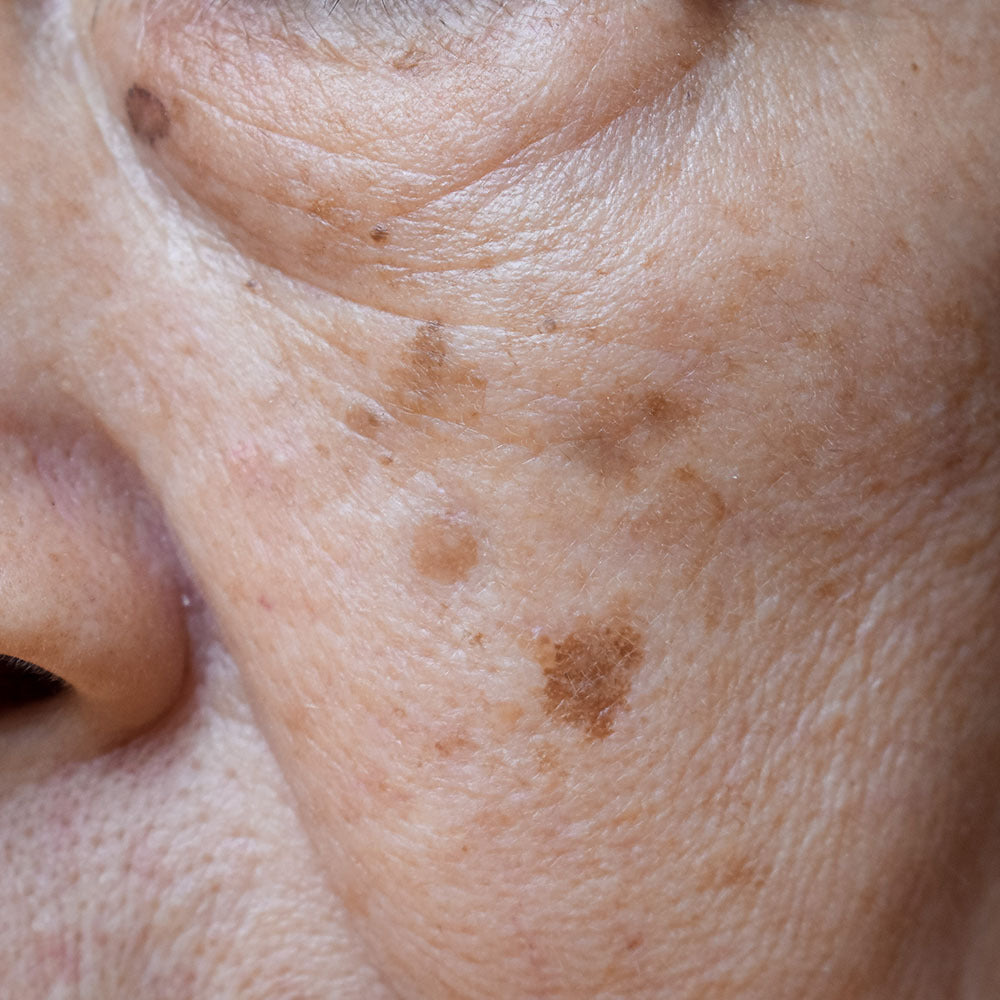
What causes skin ageing, and what does "anti-ageing" actually mean?
- Intrinsic and extrinsic ageing
- Skin health before cosmetic correction
- Objective measurement with VISIA
- Evidence led approach
Skin ageing is the product of two distinct processes. Intrinsic ageing is the genetically programmed, time dependent decline in collagen production, elastin quality, and cellular turnover that happens to everyone regardless of lifestyle. Extrinsic ageing is the additional, largely preventable damage caused by external factors, principally cumulative UV exposure, but also pollution, smoking, and repeated facial movement. The visible signs most people associate with "looking older", including fine lines, uneven pigmentation, loss of radiance, textural roughness, redness, and reduced firmness, are usually a combination of both, with extrinsic factors responsible for the majority of what can be meaningfully improved with treatment.
"Anti-ageing" has become a commercially loaded term, frequently used to sell products and treatments with little evidence behind them. A genuinely evidence based approach starts from a different premise: that the foundation of youthful looking skin is skin health, not the aggressive correction of every visible change. Skin that is well hydrated, has an intact barrier, normal cell turnover, controlled inflammation, and good collagen quality looks more even, and over correction of mild volume loss is a common cause of an unnatural or dysmorphic appearance.
A rigorous approach should also be measurable. VISIA® skin analysis allows skin age, texture, pigmentation, redness, pore size, and UV damage to be objectively assessed and tracked over time, rather than subjective impression. This makes it possible to demonstrate with real data whether a treatment plan is producing genuine improvement, and to set expectations honestly.
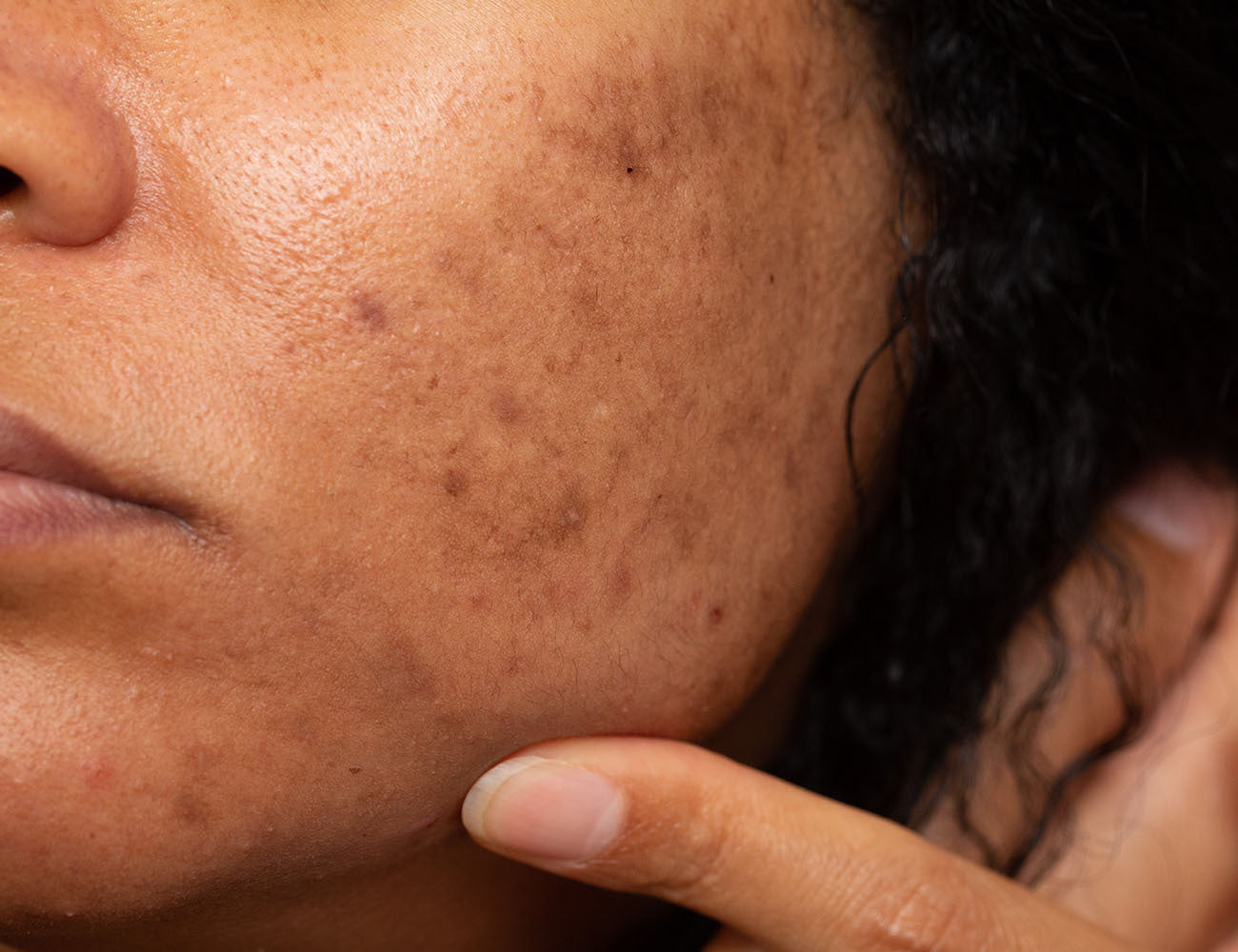
What are my treatment options for skin ageing?
- Medical grade skincare regimen
- Fraxel, Clear + Brilliant, PicoSure Pro, IPL, Thermage FLX for laxity
- Profhilo and polynucleotide skin boosters
- Anti-wrinkle injections
An effective approach to skin ageing is built in layers, starting with the foundation that supports skin health daily and progressing to in clinic treatments once it is in place. The daily skincare regimen recommended by Dr Ophelia is deliberately simple and evidence based, avoiding the unnecessary complexity and unproven activities common in the skincare market. It consists of gentle cleansing, daily moisturising appropriate to skin type, a broad spectrum SPF applied every morning without exception, an antioxidant serum used during the day, and tretinoin used at night, which remains one of the most rigorously evidence based topical treatments for improving collagen production, cell turnover, and overall skin quality.
Once this foundation is established, in clinic treatments address specific signs of ageing with the technology best suited to each concern. Fraxel Dual resurfacing laser and Clear + Brilliant stimulate collagen remodelling, improving skin texture and reducing fine lines, with Fraxel offering more significant correction for established ageing and Clear + Brilliant suited to earlier changes or ongoing maintenance with less downtime. Pigmentary changes such as sunspots and uneven tone are treated with PicoSure Pro, a picosecond laser that targets pigment precisely with minimal disruption to surrounding skin. Redness and visible vessels are addressed with IPL and targeted vascular lasers.
For skin laxity, where the structural support of the skin has reduced over time, Dr Ophelia uses Thermage FLX, a radiofrequency device that heats the deeper layers of the skin to stimulate collagen production and produce a gradual tightening effect without surgery or downtime. This is frequently combined with skin boosters, including Profhilo and polynucleotide treatments, injected into the skin to improve hydration, elasticity, and overall skin quality from within, working at a different level to the structural tightening and producing a more complete improvement when used together. Anti-wrinkle injections are also offered for dynamic lines caused by repeated facial muscle movement, used judiciously within a broader, skin health led plan rather than as a default or first line intervention.
Dermal filler is not part of Dr Ophelia's approach to skin ageing. Her clinical view is that the mild, gradual volume loss that occurs with age has become a disproportionate focus of cosmetic marketing, and that aggressively correcting it risks producing an unnatural or dysmorphic appearance over time. For patients who do want cosmetic surgical input, Dr Ophelia refers to a small number of plastic surgeons she trusts, typically based in Paris or the United States. She does not offer peptide therapies or exosome treatments, as she considers the published evidence for these insufficiently robust to recommend as part of an evidence-led practice.
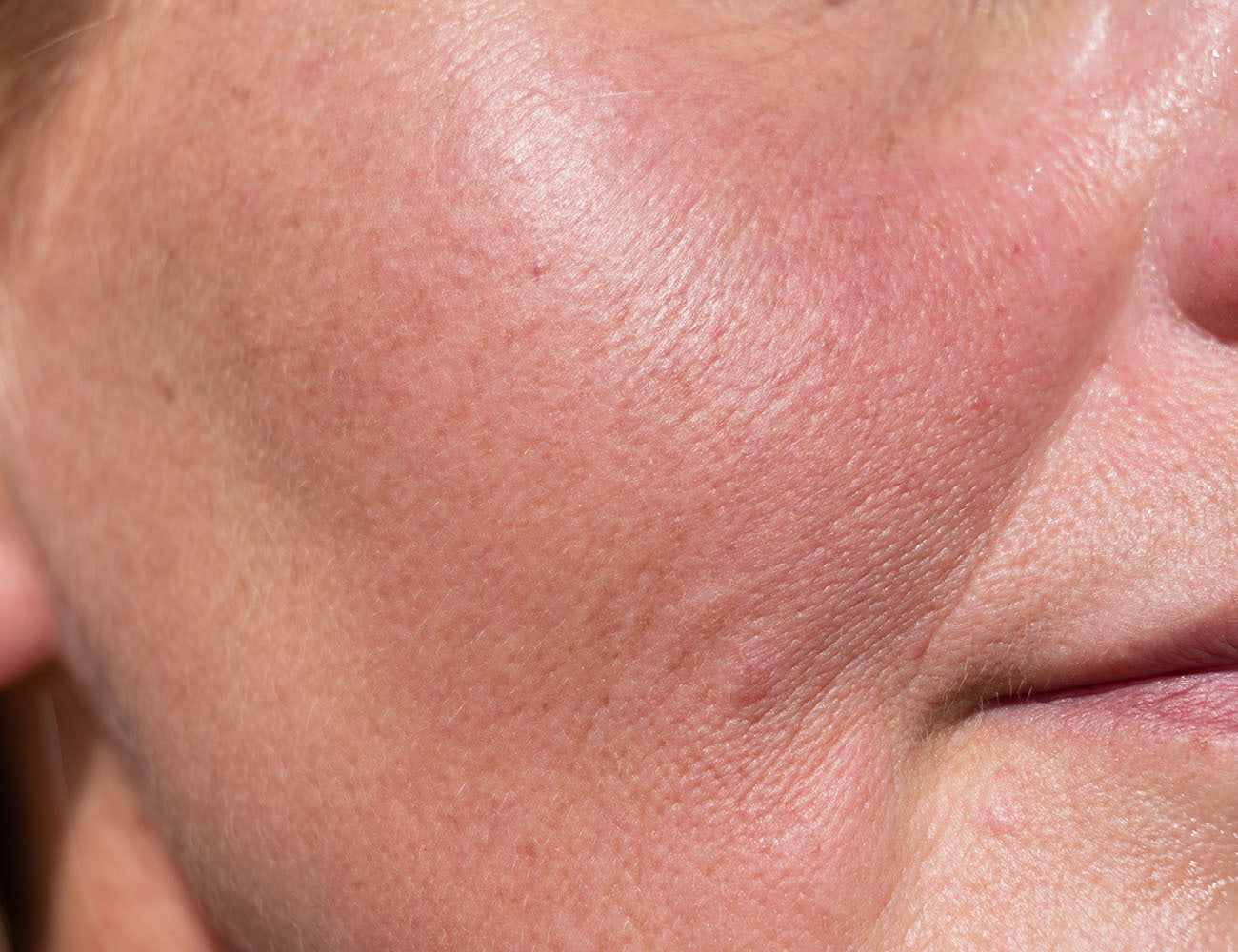
Why should I see Dr Ophelia Veraitch for skin ageing treatment in London?
- Genuinely dual-trained consultant dermatologist. Medical and aesthetic practice, rare in the UK
- Skin health before correction. Evidence led, not trend led
- VISIA skin analysis. Objectively measurable skin age and improvement
- Full in house technology suite. Lasers, Thermage FLX and skin boosters under one roof
It is genuinely unusual for a Consultant Dermatologist in the UK to combine full medical dermatology training with a long standing aesthetic practice, and this is at the heart of why Dr Ophelia Veraitch's approach is different. She trained medically at some of London's leading hospitals before working alongside Dr Nick Lowe, one of the first dermatologists in the UK to establish a dedicated aesthetic dermatology practice, so her aesthetic decisions carry the full clinical judgement of a medically trained dermatologist rather than a non medical aesthetic background, unlike many who describe themselves as skin specialists without the medical training the title implies. Her philosophy is that skin health comes first, which is why she does not perform dermal filler and refers patients seeking surgical correction to a small number of trusted plastic surgeons, typically in Paris or the United States. Every plan is informed by VISIA® skin analysis, and her full in-house technology suite allows a complete, multi-layered plan to be delivered without referring the patient elsewhere.
HELP
Frequently Asked Questions - Skin Ageing Treatment
Intrinsic ageing is the genetically programmed decline in collagen, elastin quality, and cell turnover that affects everyone regardless of lifestyle, while extrinsic ageing is preventable damage from cumulative UV exposure, pollution, smoking, and facial movement.
Healthy, well-hydrated skin with a good barrier, controlled inflammation, and good collagen quality looks natural at any age, whereas aggressively correcting rarely-noticeable mild volume loss risks an unnatural or dysmorphic appearance.
Mild volume changes are usually disguised by improving the skin's health, texture, and quality, so where correction genuinely warrants surgery she refers to trusted plastic surgeons, typically in Paris or the United States, rather than offering filler.
Yes; VISIA® skin analysis objectively measures texture, pigmentation, UV damage, pore size, and redness and generates a comparative skin age, tracking treatment response with real data.
A simple routine of gentle cleansing, a suitable moisturiser, a broad-spectrum SPF every morning, a daytime antioxidant serum, and tretinoin at night, tretinoin being the best-evidenced topical treatment for collagen production, cell turnover, and skin quality.
Both are fractional lasers that stimulate collagen remodelling to improve texture and fine lines; Fraxel Dual is more powerful for established ageing with a short recovery period, while Clear + Brilliant is gentler with minimal downtime for earlier signs or maintenance, depending on the degree of photoageing.
Thermage FLX is a radiofrequency device that heats the deeper layers of the skin to stimulate collagen production and gradually tighten without downtime, often combined with skin boosters such as Profhilo or polynucleotides to improve hydration and elasticity.
Skin boosters improve the quality, hydration, and elasticity of the skin itself rather than adding structural volume as filler does, with Profhilo a stabilised hyaluronic acid and polynucleotides supporting tissue repair and regeneration at a cellular level.
Her assessment is that the published evidence for peptide and exosome treatments is not yet sufficiently robust to meet the standard she requires, so she waits for a clear evidence base rather than adopting newer, heavily marketed treatments early.
Yes, where clinically appropriate; anti-wrinkle injections treat dynamic lines caused by repeated facial muscle movement but are used judiciously within a plan that prioritises overall skin health, texture, and quality rather than as a default first-line treatment.
A Consultant Dermatologist is a fully qualified medical doctor with specialist postgraduate training in diagnosing and treating skin conditions, including the medical and structural aspects of skin ageing; Dr Ophelia's medical background combined with her aesthetic training alongside Dr Nick Lowe grounds every decision in full dermatological judgement.