
Post-Inflammatory Hyperpigmentation (PIH)
BOOK A CONSULTATIONWhat is post-inflammatory hyperpigmentation (PIH)?
- Follows acne, eczema and skin trauma
- More persistent in darker skin tones
- Epidermal and dermal pigment depth
- Underlying cause must be treated first
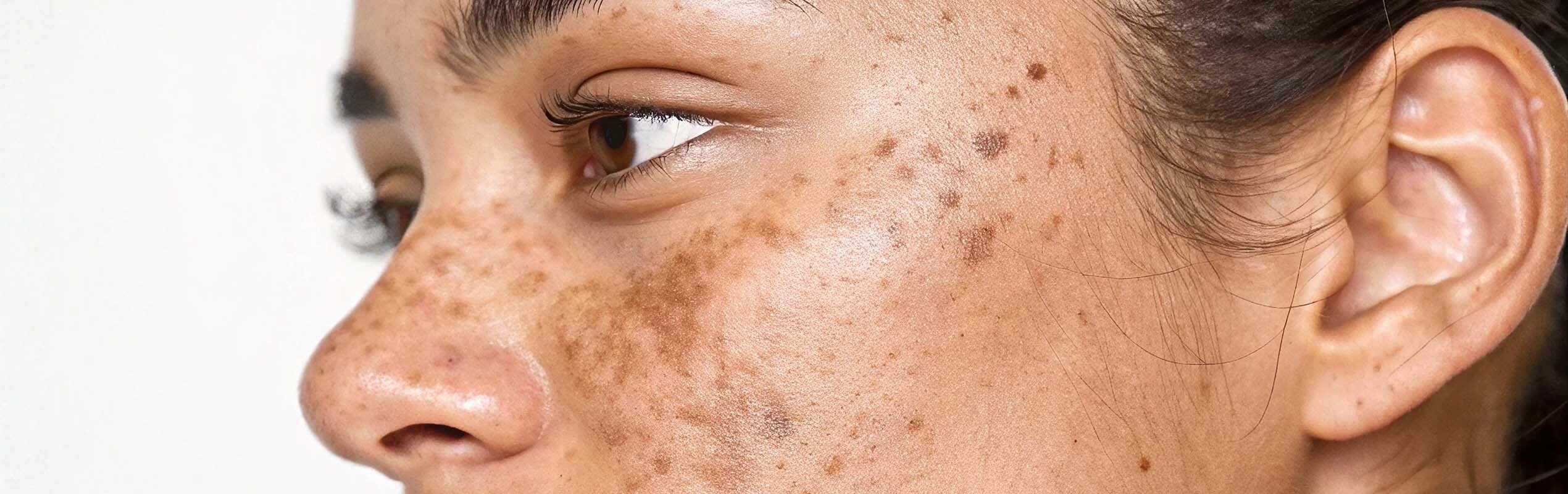
Post-inflammatory hyperpigmentation (PIH) is acquired pigmentation that develops when inflammation or injury to the skin triggers an overproduction of melanin. As the inflammation resolves, excess pigment is deposited in the epidermis, the dermis, or both, leaving flat brown, grey, or dark purple discoloration that can persist for months or even years if untreated. It is not a scar, but it can be just as distressing and far more persistent than patients anticipate.
PIH affects all skin types but is more common, more pronounced, and more persistent in darker skin tones, including those of South Asian, East Asian, African, Afro-Caribbean, Middle Eastern, and Latin American heritage, where the melanocytes are more reactive and produce pigment more readily in response to inflammation. Aggressive treatments appropriate in lighter skin can trigger further inflammation and worsen the pigmentation, so darker skin requires particular care.

The most common causes of PIH include acne, where each inflamed spot leaves a dark mark; eczema and atopic dermatitis, where chronic inflammation and scratching stimulate melanocyte activity; psoriasis; insect bites; and skin trauma or procedures including waxing, threading, and irritation from incompatible skincare products. Picking or scratching inflamed skin worsens it, and without controlling the underlying cause new marks continue to form regardless of how well existing pigmentation is treated.
Whether pigment sits predominantly in the epidermis or has extended into the dermis is critical to which treatments work and how long the process takes. Epidermal PIH responds more readily to topical treatments and superficial procedures, while dermal pigmentation requires more targeted approaches. Pigment depth is assessed through dermoscopy and VISIA skin analysis at Dr Ophelia's initial evaluation.
What are my treatment options for post-inflammatory hyperpigmentation?
- Treat the underlying cause first
- Prescription depigmenting serums
- VI Peel and chemical peels
- PicoSure Pro laser
- Oral tranexamic acid and Fernblock
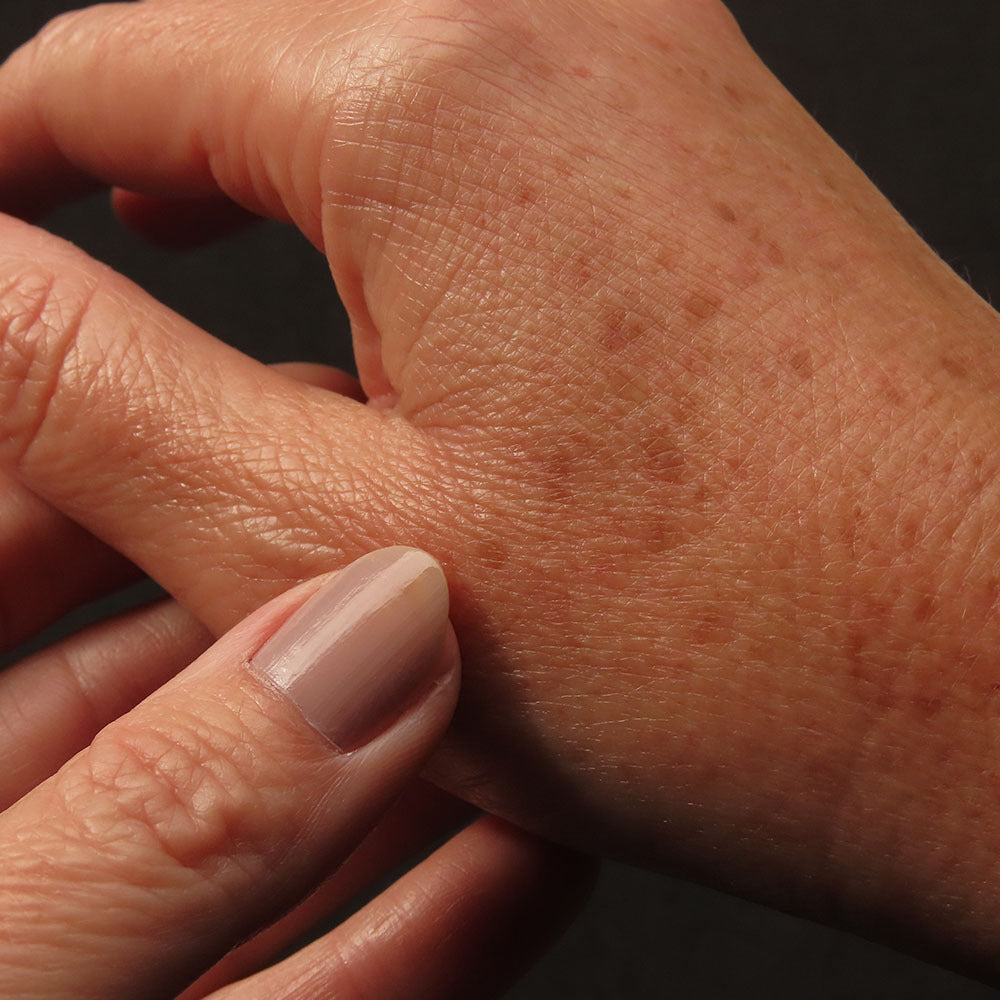
Effective treatment of PIH requires a two-track approach: addressing the underlying condition generating new pigmentation, and simultaneously targeting the existing discoloration with appropriate depigmenting treatments. Treating one without the other means marks either keep forming or take years to fade, so Dr Ophelia pursues both together.
The first and most important step is treating the primary inflammatory condition. If the PIH is driven by acne, the acne is controlled with prescription topical treatments, oral medications, or in-clinic procedures; if eczema is the driver, the skin barrier is restored, triggers removed, and inflammation controlled. As a Consultant Dermatologist, Dr Ophelia has the full clinical toolkit to diagnose and treat the underlying conditions driving PIH, unlike practitioners who treat pigmentation in isolation.
Medical skincare for PIH is built around prescription-strength topical formulations. Dr Ophelia prescribes bespoke compounded serums for both daytime and night-time use, containing hydroquinone (the gold-standard agent, unavailable over the counter in the UK), tretinoin, azelaic acid, kojic acid, niacinamide, and tranexamic acid, concentrated to therapeutic levels for each patient's skin type. Strict daily sun protection is essential, as UV exposure delays the fading of PIH. Oral tranexamic acid, a prescription medication that reduces melanocyte activity systemically, is used in selected patients to accelerate clearance, and Fernblock (Polypodium leucotomos extract) provides additional photoprotective and antioxidant support.
In-clinic procedures accelerate clearance, particularly in deeper or more established pigmentation. VI Peel, a medical-grade chemical peel formulated to address pigmentation, accelerates epidermal turnover and removes superficial pigment across a range of skin types. For deeper pigmentation, the clinic offers PicoSure Pro, a picosecond laser by Cynosure that is the only FDA-approved laser for pigmentation disorders; its ultra-short pulses shatter pigment with minimal thermal injury, making it significantly safer in darker skin than older nanosecond technologies. It is also used alongside Clear + Brilliant and Fraxel Dual where texture improvement is a goal, with conservative parameters in darker skin.
VISIA skin analysis and standardised medical photography throughout treatment provide an objective record so treatment can be adjusted safely as the skin responds.
Why should I see Dr Ophelia Veraitch for post-inflammatory hyperpigmentation treatment in London?
- Award-winning consultant dermatologist. Treats underlying conditions and the pigmentation they cause
- Specialist in darker skin tones. Personal and clinical expertise in South Asian and other pigmented skin
- PicoSure Pro by Cynosure. The only FDA-approved laser for pigmentation disorders
- Full prescribing authority. Bespoke serums, oral tranexamic acid and compounded formulations
Most patients with PIH have seen either a dermatologist who treated their skin condition but offered little pigmentation treatment, or a skin clinic offering facials and peels but unable to diagnose the inflammatory cause. Dr Ophelia combines both: an award-winning Consultant Dermatologist who can medically treat acne, eczema, and the conditions driving PIH while clearing the resulting discoloration with specialist pigmentation treatments, prescription formulations, and advanced laser.

Dr Ophelia is herself of Indian heritage, and she has treated patients across the full spectrum of skin tones, with particular depth of experience in South Asian, East Asian, and other darker skin types in which PIH is most prevalent and most challenging to treat. Her expertise in which treatments and parameters are safe in darker skin ensures care is genuinely tailored rather than adapted from protocols designed for lighter skin types.
The technology available places her clinic among a small number of UK practices offering comprehensive pigmentation treatment across the full depth range of PIH, from superficial epidermal to deeper dermal discoloration, and very few UK dermatologists have both the laser technology and the medical prescribing capability under one roof. Her treatment plans are designed for lasting results rather than temporary brightening, controlling the underlying condition, clearing existing pigmentation, and giving patients the tools to prevent recurrence.
HELP
Frequently asked questions — post-inflammatory hyperpigmentation treatment
PIH develops when inflammation or injury triggers an overproduction of melanin, which is deposited in the skin as flat discolouration. Common causes include acne, eczema, psoriasis, insect bites, skin trauma, waxing, threading, and irritation from unsuitable skincare products; picking or scratching worsens and prolongs it.
In darker skin tones the melanocytes are more reactive and produce more pigment in response to even minor inflammation, so PIH is more pronounced, longer lasting, and more difficult to treat than in lighter skin.
Epidermal PIH sits in the outer layers, appears brown, enhances under Wood's lamp, and responds to topicals and superficial procedures; dermal PIH lies deeper, appears grey or blue-grey, does not enhance under Wood's lamp, and requires picosecond laser; mixed PIH is also common.
Prescription topical treatments include hydroquinone, the gold-standard depigmenting agent not available over the counter in the UK, along with tretinoin, azelaic acid, kojic acid, niacinamide, and tranexamic acid, prescribed as bespoke compounded formulations; oral tranexamic acid, which reduces melanocyte activity systemically, is also used in selected patients.
PicoSure Pro is a picosecond laser by Cynosure, the only FDA-approved laser specifically indicated for pigmentation disorders; its ultra-short picosecond pulses shatter pigment through a photomechanical rather than photothermal mechanism, generating far less heat than older nanosecond technologies and making it considerably safer in darker skin.
VI Peel is a medical-grade chemical peel containing trichloroacetic acid, salicylic acid, retinoic acid, phenol, and vitamin C, which accelerate epidermal cell turnover, reduce melanin production, and improve clarity; it suits superficial to mid-depth PIH across a range of skin types.
Aggressive treatments including chemical peels and lasers are generally not appropriate during an active flare, as inflamed skin is more vulnerable and pigmentation can worsen, so the underlying condition is controlled first before pigmentation treatment begins.
The timeline depends on pigment depth, skin type, how well the underlying condition is controlled, and the treatments used; epidermal PIH typically improves within two to three months of prescription topical treatment and sun protection, with more significant clearance at six months, while dermal and mixed PIH takes longer and needs peels or picosecond laser.
Yes. Ultraviolet radiation and visible light both stimulate melanocyte activity and deepen existing pigmentation, so tinted mineral sunscreens containing iron oxides are particularly important because they block visible light in addition to UV, and are one of the most underestimated parts of PIH management.
PIH is best treated by someone who can address both the underlying condition and the existing discolouration; aestheticians and non-medical clinics cannot diagnose or treat the conditions driving PIH, prescribe medications, or safely deploy the lasers required for deeper pigmentation, so a Consultant Dermatologist with expertise across all skin tones offers a more complete approach.