

Melasma
BOOK A CONSULTATION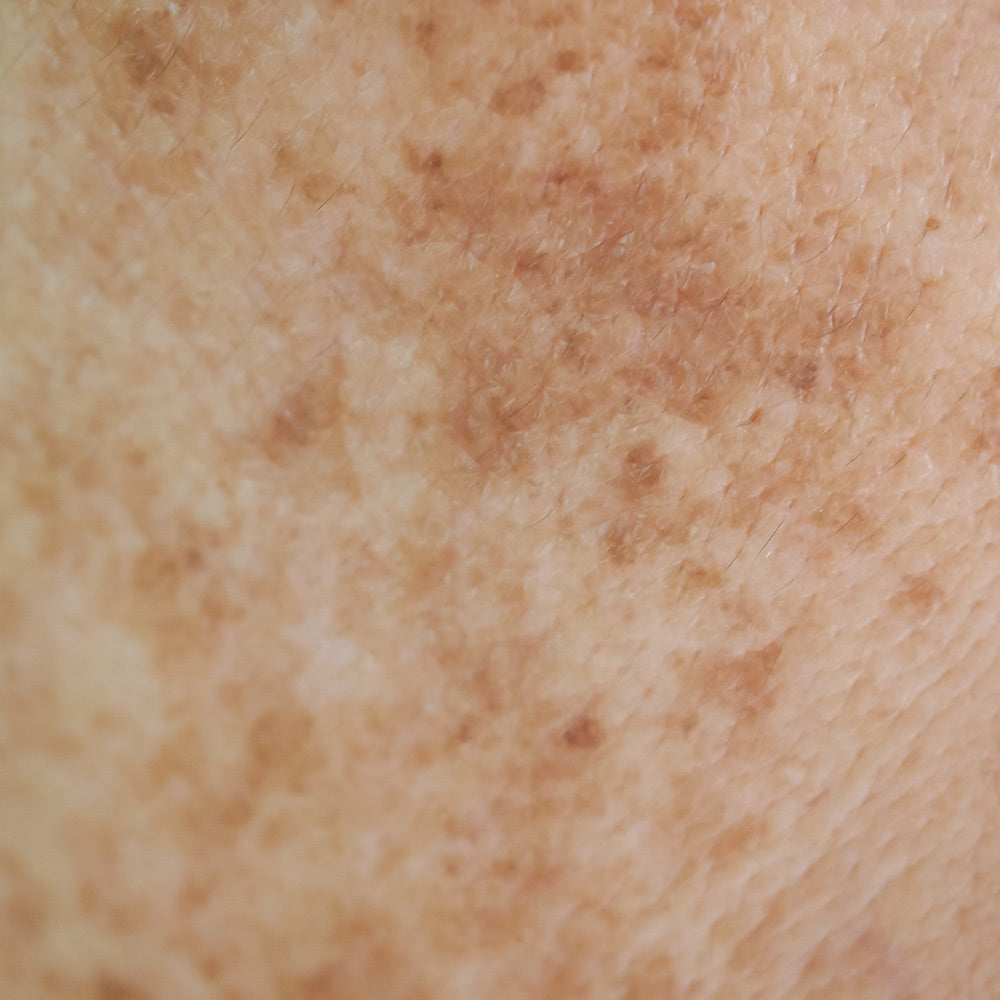
What is Melasma and what causes it?
- Chronic pigmentation disorder
- Hormonal & UV triggers
- All skin types — including darker tones
- Affects men and women
Melasma is a chronic skin condition characterised by patches of brown, grey-brown or blue-grey pigmentation, most commonly on the face — the cheeks, upper lip, forehead, nose and chin. It is one of the most prevalent pigmentation disorders, disproportionately affecting women and people with darker skin types, including those of South Asian, East Asian, Middle Eastern, Latin American and African heritage. Men can also develop it, though less often, and a family history is common, reflecting a genetic component.
The condition arises from an overactivation of melanocytes (the pigment-producing cells within the skin), driven by a combination of ultraviolet (UV) radiation, hormonal influences and genetic predisposition. Oestrogen and progesterone stimulate melanocyte activity, which explains why melasma so frequently develops or worsens during pregnancy (chloasma, or the "mask of pregnancy"), with oral contraceptive use, and during the perimenopause and menopause, particularly in women taking hormone replacement therapy. Heat and visible light, as well as UV, can independently trigger melanocyte activation, making melasma difficult to control with sunscreen alone.
Other contributing factors include thyroid dysfunction, certain medications (including some antiepileptics and photosensitising drugs), skin trauma or inflammation, and skincare products that cause chronic low-grade irritation to the skin barrier. Understanding a patient's triggers matters, because melasma driven by an unaddressed hormonal or environmental factor will not respond well regardless of treatment.
Melasma is classified by the depth at which excess pigment sits within the skin — epidermal (superficial), dermal (deeper) or mixed. This distinction affects which treatments are effective and which risk worsening the condition. Dermoscopic assessment helps Dr Ophelia determine pigment depth and guide treatment selection.
What are my treatment options for melasma?
- Prescription topicals & oral treatments
- Chemical peels
- Laser & light therapies
- Intraocular shields for periorbital treatment
Melasma is challenging to treat, requiring a structured, multi-modal approach tailored to skin type, pigment depth, hormonal status and lifestyle. No single treatment works alone; the best outcomes combine rigorous trigger management, medical-grade skincare and procedural treatments.
The foundation of any effective plan is sun and heat protection. Dr Ophelia provides personalised advice on minimising UV and visible-light exposure, including broad-spectrum mineral sunscreens, protective clothing and the avoidance of heat triggers. Where hormonal contraceptives or other medications are contributing, she will discuss alternatives or adjustments.
Medical skincare forms a central part of treatment. Dr Ophelia prescribes bespoke compounded depigmenting serums — a prescription-strength daytime serum and a targeted night-time formulation — containing active ingredients such as hydroquinone, azelaic acid, kojic acid, tretinoin, niacinamide and tranexamic acid, tailored to each patient's tolerance. These are not available over the counter, and prescribing them at therapeutic concentrations is a key advantage of a Consultant Dermatologist.
Oral tranexamic acid is a prescription medication with a strong evidence base for melasma, disrupting the keratinocyte–melanocyte interaction that drives pigment overproduction and complementing topical treatment. Fernblock (Polypodium leucotomos extract) is a nutraceutical antioxidant with demonstrated photoprotective properties, used alongside medical treatment to reduce UV-induced melanocyte activation from within.
In-clinic procedures are selected by skin type, pigment depth and treatment history. Chemical peels including the VI Peel accelerate superficial pigment clearance. Advanced laser and light therapies include Clear + Brilliant (a gentle fractional laser suited to maintenance and early-stage melasma), Fraxel Dual resurfacing laser (for more established or mixed-depth pigmentation), Nd:YAG laser (particularly suited to darker skin types where the risk of post-inflammatory hyperpigmentation must be carefully managed), IPL (for suitable skin types with predominantly epidermal pigmentation) and PicoSure Pro (an advanced picosecond laser delivering ultra-short pulses that target pigmentation with reduced thermal injury).
For patients with pigmentation extending to the periorbital area (the delicate skin around and beneath the eyes), Dr Ophelia uses intraocular eye shields, a specialist technique that protects the cornea and delivers laser energy safely to the eyelid margins. All patients undergo VISIA skin analysis and standardised medical photography before and during treatment, documenting pigmentation changes and response over time.
Why visit Dr. Ophelia to treat your Melasma?
- Award-winning consultant dermatologist
- Specialist in complex pigmentation disorders
- London & Asia clinical experience
- Extensive expertise in darker skin types
- Intraocular shields — safe periorbital laser treatment, rarely available elsewhere
- Full prescribing authority — prescription serums, oral tranexamic acid and compounded formulations
Dr Ophelia Veraitch has lived with melasma herself, as have several members of her family, and treats it as the genuinely disruptive condition it is, not a minor cosmetic inconvenience.
As an award-winning Consultant Dermatologist with a career spanning London and Asia, she has broad expertise in melasma and pigmentation across all skin types. Treating pigmentation safely in darker skin requires precise knowledge of which laser wavelengths, fluences and intervals are appropriate, and where the risk of post-inflammatory hyperpigmentation is highest.
She combines full prescribing authority with procedural expertise across the relevant laser and light technologies, prescribing oral tranexamic acid and high-strength compounded depigmenting serums, including prescription-only actives not available over the counter, and has the judgement to know when not to use a treatment — protecting patients from rebound pigmentation such as ochronosis and post-inflammatory hyperpigmentation.
Many of her patients have spent years managing melasma without the medical component needed for lasting results; she takes a thorough, honest approach, sets realistic expectations, and identifies the full combination of hormonal, environmental and skincare factors driving each patient's pigmentation, giving them the tools and long-term strategy to keep their results.
HELP
Frequently asked questions - melasma treatment
Melasma is chronic with a lifelong tendency to recur, but many patients achieve significant, sustained improvement with medical treatment, procedural therapies and long-term trigger management; maintenance with medical skincare and periodic in-clinic procedures is usually needed to preserve results.
Yes, but it requires specialist expertise, as darker skin types (Fitzpatrick III–VI) carry a higher risk of post-inflammatory hyperpigmentation (PIH) if inappropriate treatments are used; Dr Ophelia, with years of practice in London and Asia, selects treatments proven safe in pigmented skin, including Nd:YAG laser, low-fluence picosecond lasers and carefully formulated topicals.
Combined oral contraceptives containing progesterone are a well-recognised trigger in genetically susceptible individuals, and where pigmentation worsens Dr Ophelia will discuss whether a change in method may help, in conjunction with your GP or gynaecologist.
In some women, hormone replacement therapy (HRT) can trigger or worsen melasma, particularly formulations containing progesterone and testosterone; Dr Ophelia will assess the hormonal contribution and, where relevant, liaise with your GP or menopause specialist about adjustments to formulation, route or dosage.
Oral tranexamic acid is a prescription medication with a strong evidence base that blocks the interaction between keratinocytes and melanocytes driving melanin overproduction; it is often used alongside topical treatments and can only be prescribed by a qualified practitioner after appropriate assessment.
PicoSure Pro is an advanced picosecond laser delivering energy in extremely short pulses, targeting pigmentation with reduced thermal injury to surrounding skin, which suits carefully selected patients with treatment-resistant or mixed-depth pigmentation; Dr Ophelia uses it within a broader plan at tailored parameters, as melasma requires caution with any laser.
Yes; periorbital pigmentation is notoriously difficult to treat because most devices cannot be used safely close to the eye, so Dr Ophelia uses intraocular eye shields, fitted inside the eye to protect the cornea, allowing safe delivery of laser energy right to the eyelid margins — a technique requiring specialist training and not routinely available in the UK.
Fernblock® is a standardised extract of Polypodium leucotomos, a tropical fern with antioxidant and photoprotective properties; taken orally as a nutraceutical supplement, it reduces UV-induced melanocyte activation and decreases melasma severity alongside topical and procedural treatments, and is not a standalone treatment.
Sunscreen is essential but rarely sufficient alone, as standard UV-blocking sunscreens do not fully protect against visible light and infrared radiation, both of which can independently stimulate melanocyte activity; tinted mineral sunscreens containing iron oxides give better protection and are preferred, alongside strict sun avoidance, protective clothing and avoiding heat.
Prescription topical treatments include hydroquinone (the gold-standard depigmenting agent, not available over the counter in the UK), tretinoin, azelaic acid, kojic acid and tranexamic acid, often combined in bespoke compounded formulations; Dr Ophelia prescribes tailored daytime and night-time serums at therapeutic concentrations, with guidance on minimising irritation.
This varies with pigmentation severity and depth, skin type and trigger control; most patients see improvement within one to two months of a combined medical and procedural programme, with more significant results at three to four months, tracked objectively using VISIA skin analysis.