
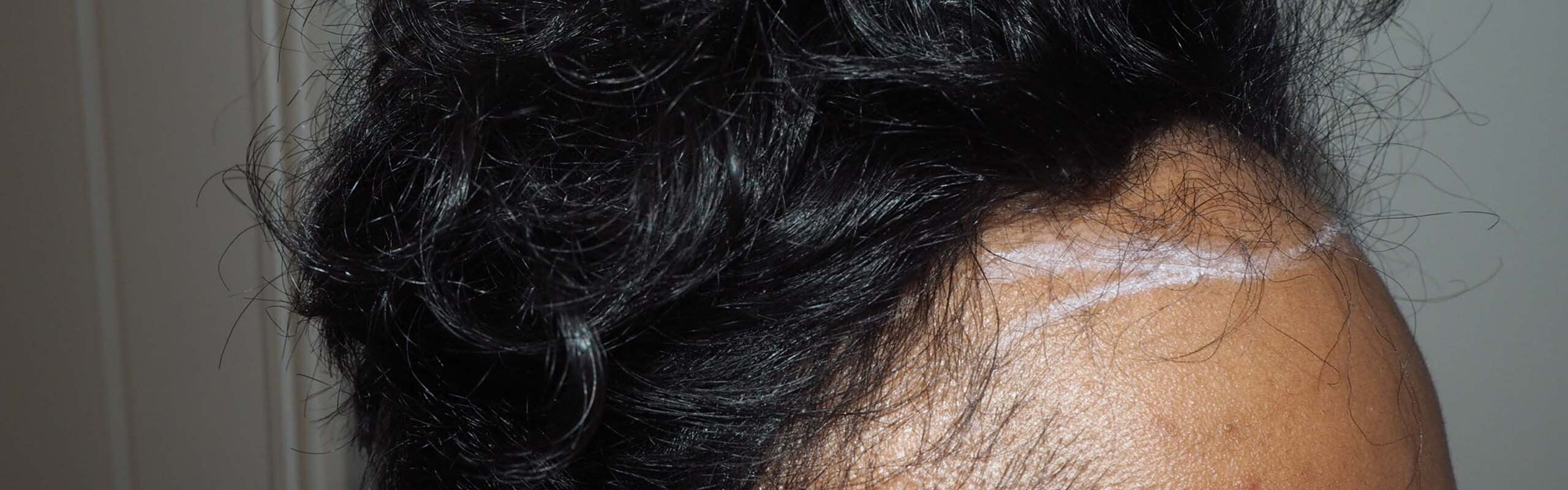
Male Hair Transplant London -
Consultant-Led Hair Restoration at Harley Street
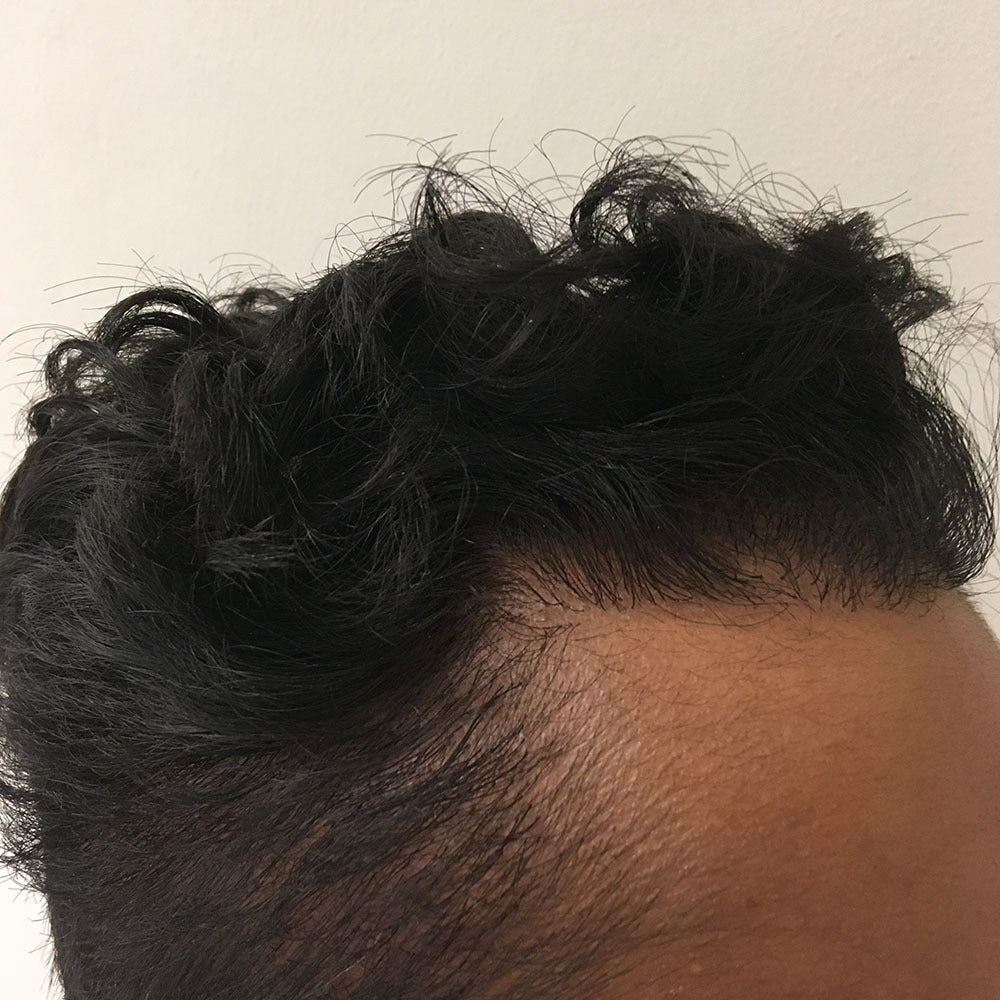
Male Hair Transplant London — Consultant-Led Hair Restoration at Harley Street
Hair transplantation can provide long-term, natural-looking restoration for suitable patients experiencing male pattern hair loss, a receding hairline, crown thinning or other areas of permanent hair loss.
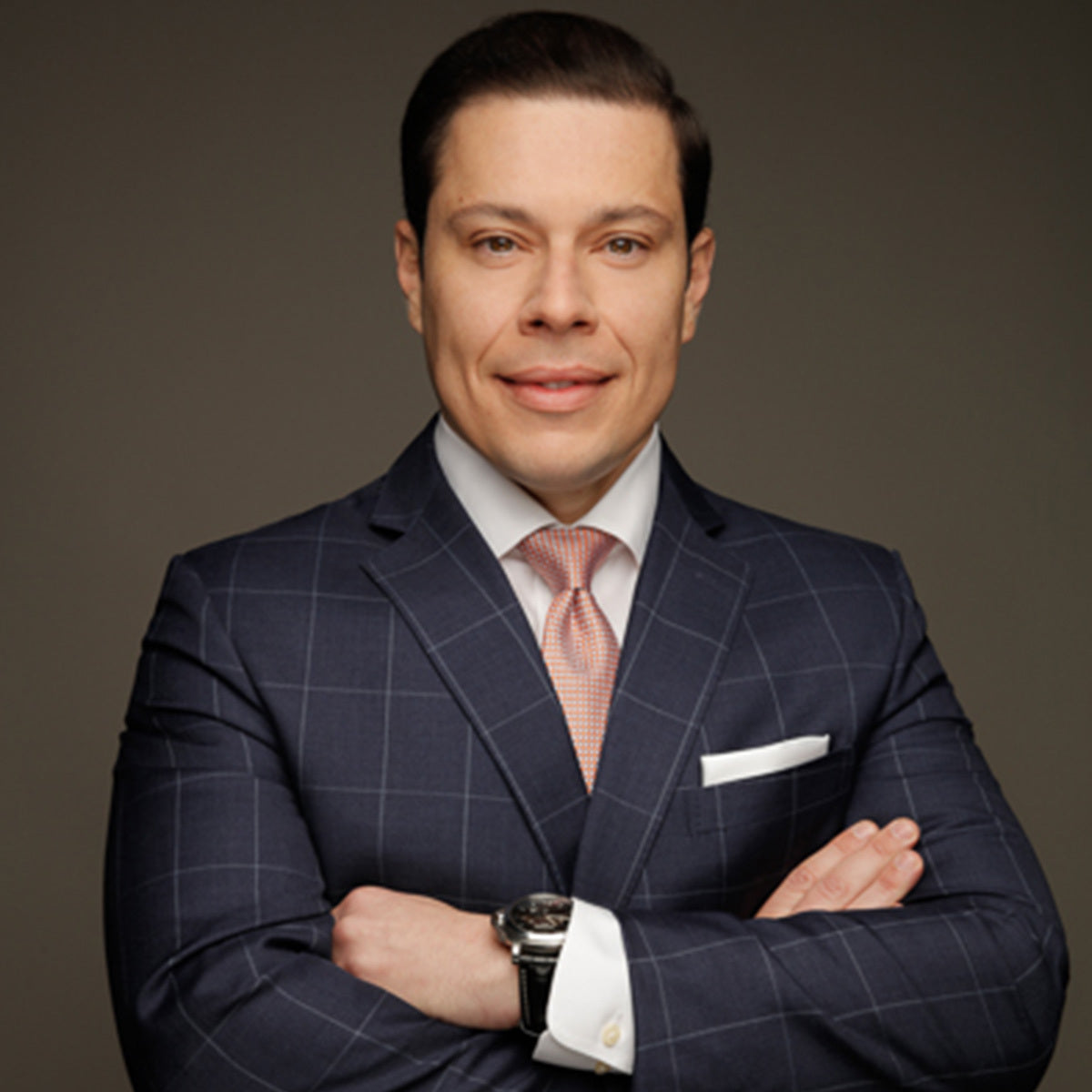
At Dr Ophelia’s Harley Street clinic, hair transplantation is performed by Dr Michael Mouzakis, Consultant Plastic Surgeon and Hair Restoration Specialist, who is on the GMC Specialist Register in Plastic Surgery and performs every stage of the procedure himself. Where a medical plan is also needed, Dr Ophelia Veraitch, Consultant Dermatologist, provides it in the same practice.
The focus is not simply on replacing lost hair, but on creating a treatment plan that considers your diagnosis, existing hair, donor supply, natural hairline and potential future hair loss.
How Your Care Works?
If you are considering a hair transplant, your first appointment is with Dr Michael Mouzakis.
He assesses your hair loss, your donor area and your suitability for surgery, designs the hairline and, where transplantation is appropriate, performs the procedure. For many patients, that is the whole pathway and no further referral is needed.
Where Dr Mouzakis considers that a medical plan should run alongside your surgery, to support the longevity of both the transplanted grafts and your existing hair, he will refer you to Dr Ophelia Veraitch. She reviews you separately as a consultant dermatologist and provides a medical management plan for before and after your procedure.
If you would rather try medical treatment before considering surgery, or you are not yet sure whether surgery is right for you, book with Dr Ophelia first. Where her assessment shows that transplantation is needed, she will refer you to Dr Mouzakis for a surgical opinion.
Consultant dermatologists and consultant plastic surgeons cross-referring in this way, within a single practice, is, as far as we are aware, unique in the UK.
What is a Hair Transplant?
A hair transplant is a surgical procedure that relocates healthy hair follicles from a donor area, usually the back or sides of the scalp, to areas affected by thinning or permanent hair loss.
These donor follicles are typically more resistant to genetic hair loss. Once transplanted, they can continue to grow in their new position, helping to restore a receding hairline, improve density or provide coverage in areas of permanent hair loss.
Hair transplantation redistributes your existing follicles; it does not create new ones. For this reason, careful assessment of the donor area and long-term planning are particularly important.
Is a Hair Transplant Right for You?
Not every type of hair loss should be treated surgically.
Before recommending a hair transplant, it is important to identify the cause of your hair loss and assess whether it is stable enough for surgery. Active inflammation, untreated scalp disease, ongoing shedding or insufficient donor hair may mean that transplantation should be delayed or an alternative treatment considered. Where anything of this kind is identified at your surgical assessment, Dr Mouzakis will refer you to Dr Veraitch before proceeding.
Hair transplantation may be suitable for selected patients experiencing:
- Male pattern hair loss
- A receding or maturing hairline
- Thinning or hair loss at the crown
- Areas of permanent hair loss
- Selected cases of traction alopecia
- Selected stable scarring alopecia
- Hair loss associated with certain scars or previous surgery
Your consultation will determine whether surgery is appropriate and whether medical or regenerative hair treatments should form part of your longer-term treatment plan.
FUE Hair Transplantation
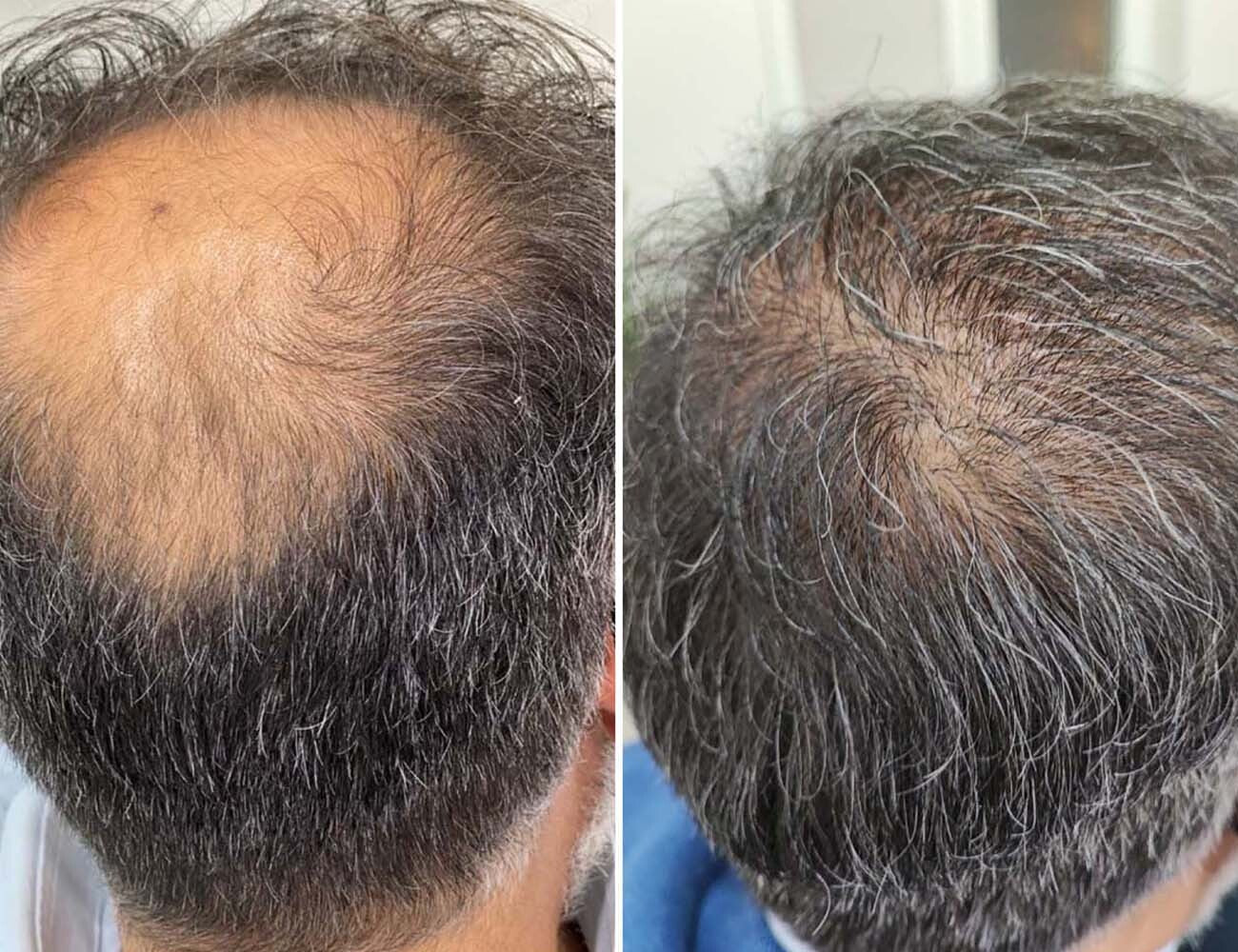
Follicular Unit Extraction (FUE) involves carefully extracting individual follicular units from the donor area using a small punch device before transplanting them into the areas which require restoration.
The recipient area is carefully planned so grafts can be positioned at the appropriate angle, direction, spacing and density. These details are particularly important when recreating a natural-looking hairline or blending transplanted hair with existing hair.
Depending on your circumstances and treatment plan, we may consider different FUE approaches, including partially shaven and completely unshaven techniques.
The right technique depends on factors including your hair type, donor area, degree and pattern of hair loss, hairstyle and restoration goals.
Natural Hairline Design and Donor Preservation
A successful hair transplant involves considerably more than deciding how many grafts to transplant.
Hairline shape, height, density and direction need to complement your facial proportions and existing pattern of hair growth. At the same time, your donor supply is finite and needs to be managed carefully with potential future hair loss in mind.
Treatment planning therefore considers both the result you want now and how your hair may change over time.
The aim is a result that looks balanced and natural, not simply immediately after transplantation, but as your hair continues to mature.
Your Hair Transplant Journey
Your journey begins with Dr Michael Mouzakis. He reviews your pattern of hair loss, medical and family history, medication use and previous treatments, examines your scalp and assesses the donor area. Donor density and follicle quality are important considerations, because the available donor supply is limited and needs to be used strategically. Clinical photographs may be taken to document your baseline.
A surgical plan is developed around your individual circumstances. This may include hairline design, density planning, crown restoration and assessment of how future hair loss could affect the result. The recommended technique and anticipated treatment requirements are discussed with you before proceeding.
Where Appropriate: Dermatology Referral
If Dr Mouzakis identifies a medical cause that should be treated, or considers that a medical plan will materially improve the longevity of your result, he refers you to Dr Ophelia Veraitch. She reviews you separately and provides a medical management plan. This is a referral made on clinical grounds rather than a stage every patient passes through.
The planned donor follicles are harvested and prepared before being carefully implanted into the recipient area. Dr Mouzakis performs every stage of the procedure himself. Hairline design and graft placement take into account angle, direction, spacing and density, so that transplanted hair integrates naturally with your existing hair.
Following treatment, you will receive detailed instructions explaining how to wash and care for your scalp, protect the newly transplanted grafts and gradually return to normal activities.
Where appropriate, ongoing treatment may also be recommended to help support your existing, non-transplanted hair and manage the underlying cause of continuing hair loss.
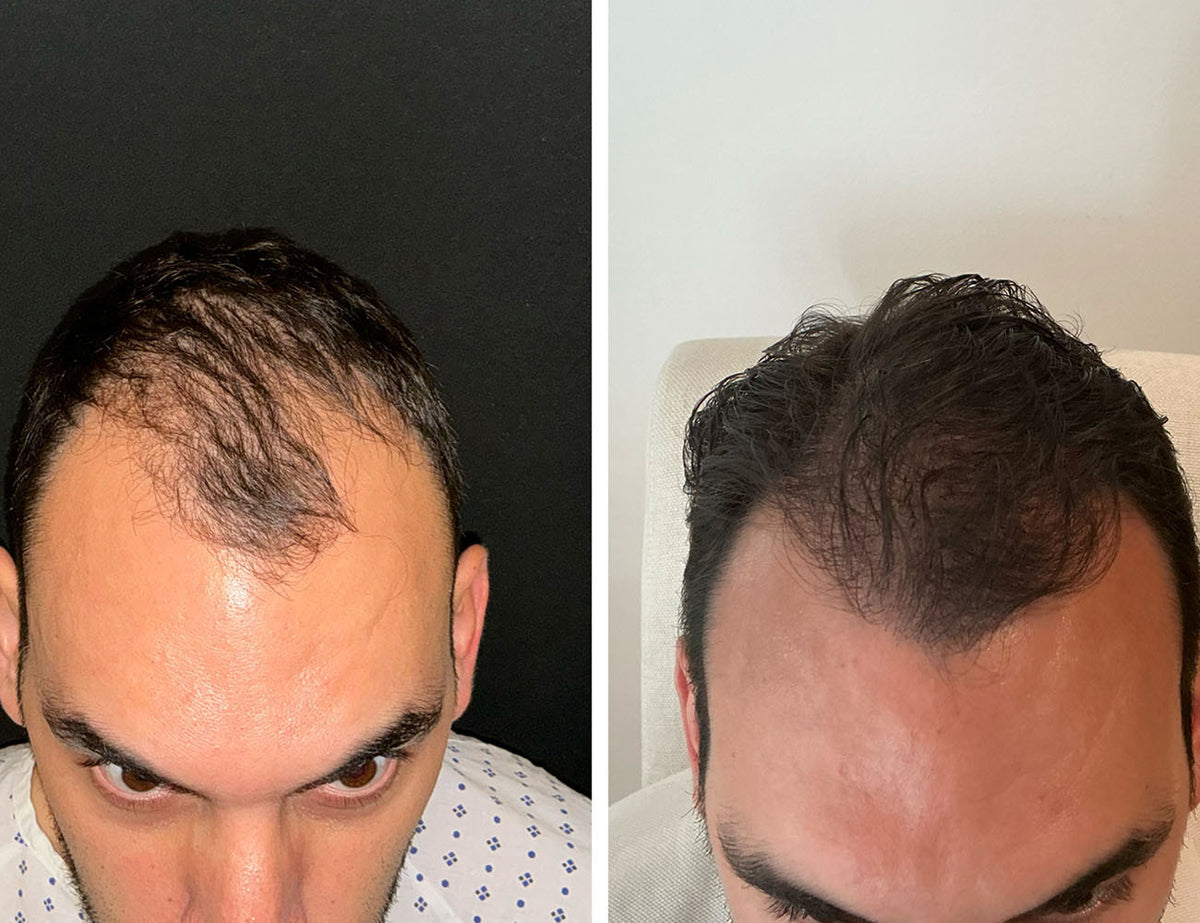
Hair Transplant Recovery and Results
Hair transplant results develop gradually. The transplanted follicles need time to settle, shed and enter a new growth cycle, so the final result is not immediate.
Immediately after treatment
The scalp may feel tender or tight, and some swelling can occur. Small scabs typically develop around the implanted grafts. Following your aftercare instructions carefully is important during this initial healing period.
First week
Redness, swelling, scabbing and mild discomfort are common. Depending on the extent and visibility of the treatment, many patients choose to take a few days off work or social activities.
Two to three weeks
The transplanted hairs may begin to shed. This is an expected stage of the process and usually does not mean the transplanted follicles have been lost.
Three to four months
Early new growth may begin to appear. Initially, new hairs can look fine, soft or uneven.
Around six months
Coverage and density may improve more visibly, although the result is still maturing.
Nine to twelve months
The transplanted hair typically becomes increasingly noticeable as growth, thickness and coverage continue to develop.
Twelve to eighteen months
The final result may take approximately 12 to 18 months to mature, particularly following crown restoration or treatment of larger areas.
Individual recovery and results vary.
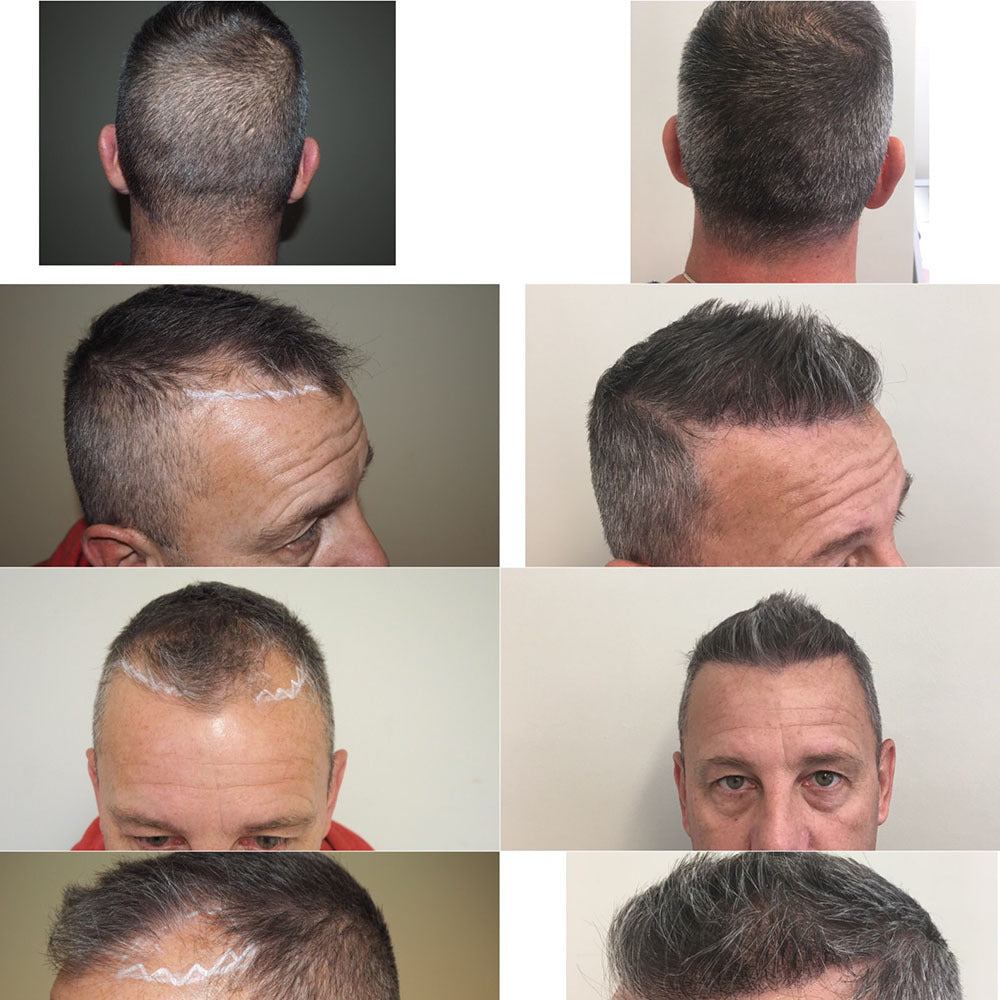
A Medical and Surgical Approach to Hair Restoration
Hair loss can have many different causes, and surgery is not necessarily the only treatment required.
Dr Michael Mouzakis, Consultant Plastic Surgeon and Hair Restoration Specialist, provides the surgical expertise, with treatment planned around natural hairline design, donor preservation and long-term restoration. He is on the GMC Specialist Register in Plastic Surgery and performs every stage of the procedure himself.
Dr Ophelia Veraitch, Consultant Dermatologist, provides the medical component: identifying the cause of hair loss, assessing scalp health and managing the existing, non-transplanted hair over the longer term.
Because both consultants work within the same practice, referral between them is straightforward and immediate. A transplant redistributes hair rather than stopping hair loss, so where the underlying condition is likely to continue, a medical plan running alongside surgery is what protects the result over the years that follow.
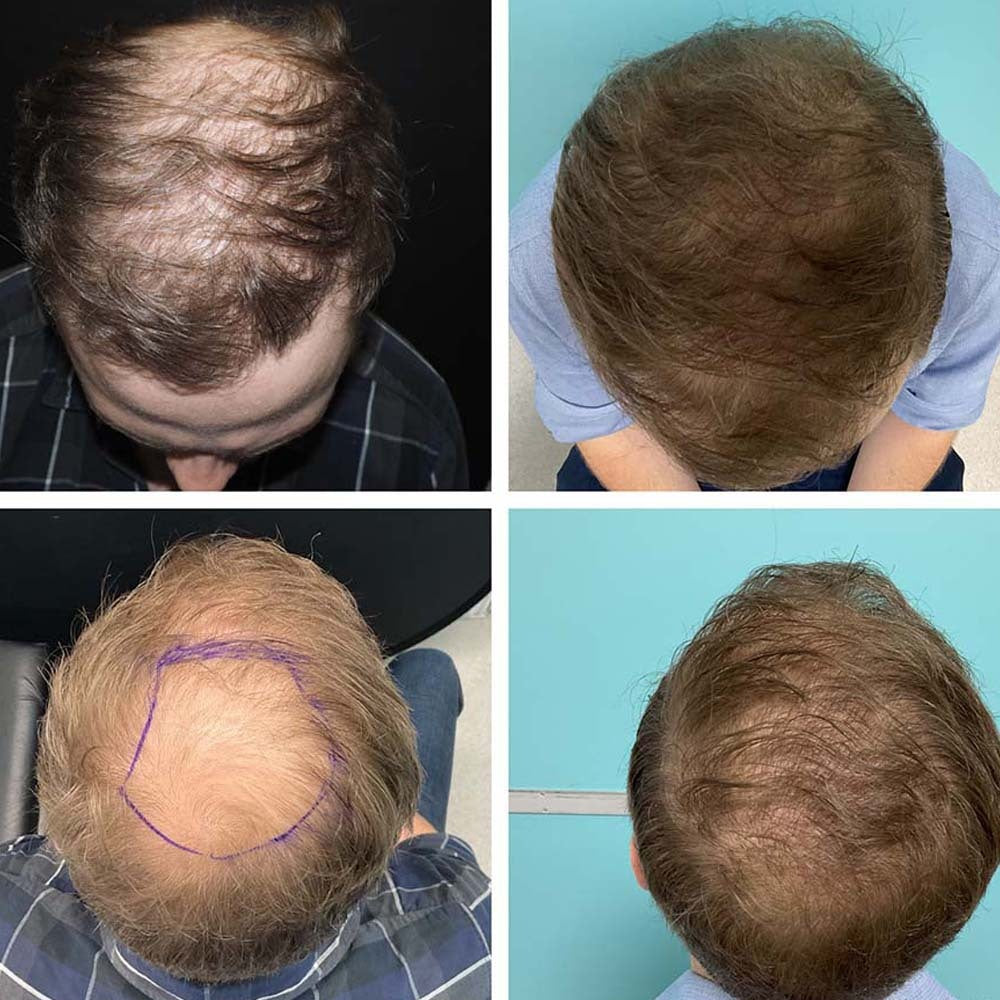
Hair Transplant Pricing
The cost of a hair transplant depends on your individual treatment requirements, including the extent of hair loss, the number of grafts required, the surgical technique and the complexity of the procedure.
Some patients require a single procedure, while others may benefit from staged treatment when larger areas are being restored, or future hair loss needs to be considered.
Following your assessment, a personalised treatment plan and quotation will be provided.
Do not plan hair transplantation around graft numbers alone. Donor preservation, hairline design, existing hair and the likely progression of future hair loss are all important considerations when developing a long-term restoration plan.
HELP
Frequently Asked Questions About Male Hair Transplants
If you are considering a hair transplant, your first appointment is with Dr Michael Mouzakis, Consultant Plastic Surgeon. He assesses your suitability, plans the procedure and performs it. If he identifies a medical cause that should be treated, or considers that a medical plan will improve the longevity of your result, he will refer you to Dr Ophelia Veraitch, Consultant Dermatologist, and you will see her separately. If you would rather explore medical treatment before considering surgery, book with Dr Veraitch first.
No. Suitability depends on the cause and stability of your hair loss, donor hair quality, scalp health, medical history and longer- term pattern of hair loss. A specialist assessment is therefore required before recommending surgery.
FUE, or Follicular Unit Extraction, involves individually extracting follicular units from the donor area using a small punch before transplanting them into the recipient area.
Dr Michael Mouzakis performs every stage of the procedure himself, supported by his own long-standing team of hair transplant technicians. This is a question worth asking of any clinic you consider, because in much of the sector, the surgery is substantially delegated.
Not necessarily. Depending on your hair, donor area and planned procedure, partially shaven or unshaven approaches may be possible. We can discuss your options during your surgical assessment.
Natural-looking results depend on several factors, including hairline design, appropriate patient selection, graft distribution, and the angle, direction and density of transplanted follicles. The treatment plan is designed around your individual hair characteristics, facial proportions and existing pattern of growth.
Transplanted follicles are generally taken from areas of the scalp that are more resistant to genetic hair loss and can provide lasting growth. However, the surrounding non-transplanted hair may continue to thin with age or progressive hair loss. This is one reason long-term planning and management of existing hair are important.
Early growth may begin approximately three to four months after transplantation. More noticeable changes typically develop over the following months, and the final result may take 12 to 18 months to mature.
The transplanted hairs commonly shed during the first few weeks after surgery. This is expected. New hair subsequently develops gradually from the transplanted follicles.
The procedure uses local anaesthetic to improve comfort. Tenderness, tightness or mild discomfort can occur during the initial recovery period.
Downtime varies according to the size and type of procedure. Redness, swelling and scabbing are common during the first week, and some patients prefer to take several days off work and social activities while the initial signs of treatment settle.
Yes. Depending on your diagnosis, medical or regenerative treatments may be recommended alongside transplantation to support scalp health and help manage existing non-transplanted hair. Where this applies, Dr Mouzakis will refer you to Dr Veraitch, who will assess you and set out what is appropriate for your diagnosis.
Book Your Male Hair Transplant Consultation in London
If you are considering a hair transplant, book a surgical consultation with Dr Michael Mouzakis at Dr Ophelia’s Harley Street clinic. He will assess your hair loss, donor area and suitability for surgery, and set out a personalised treatment plan.
If you would prefer to establish the cause of your hair loss first, or to explore medical treatment before considering surgery, book a hair loss consultation with Dr Ophelia Veraitch.