Female Hair Transplant London - Consultant-Led Hair Restoration at Harley Street
BOOK A CONSULTATION
Female Hair Transplant London —Consultant-Led Hair Restoration at Harley Street
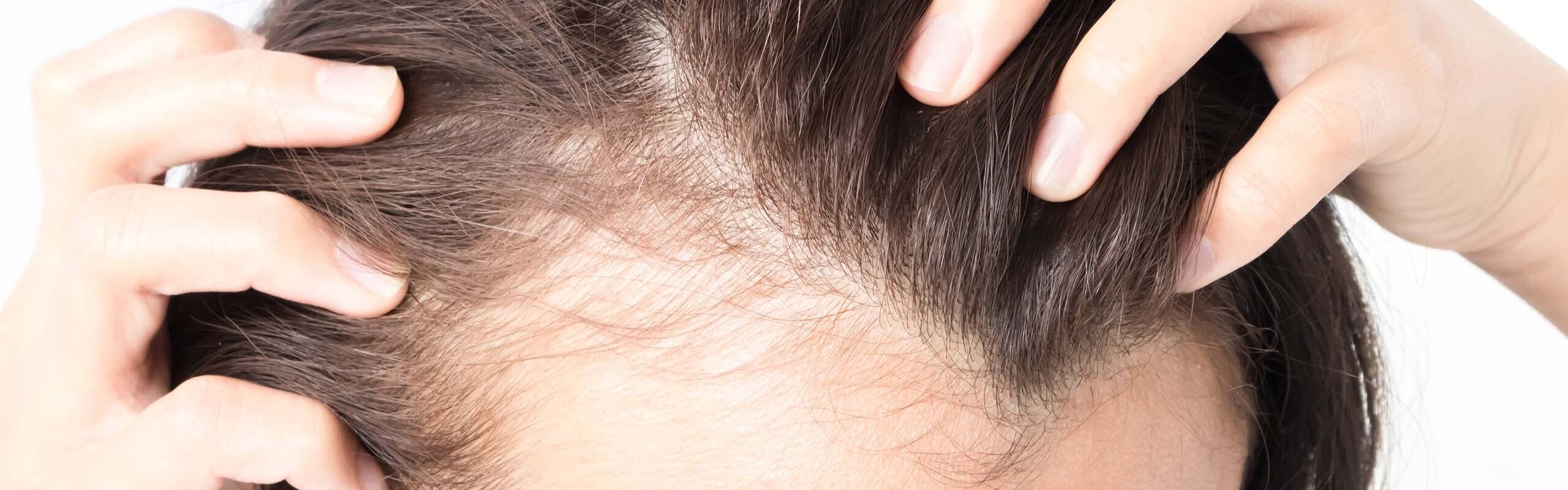
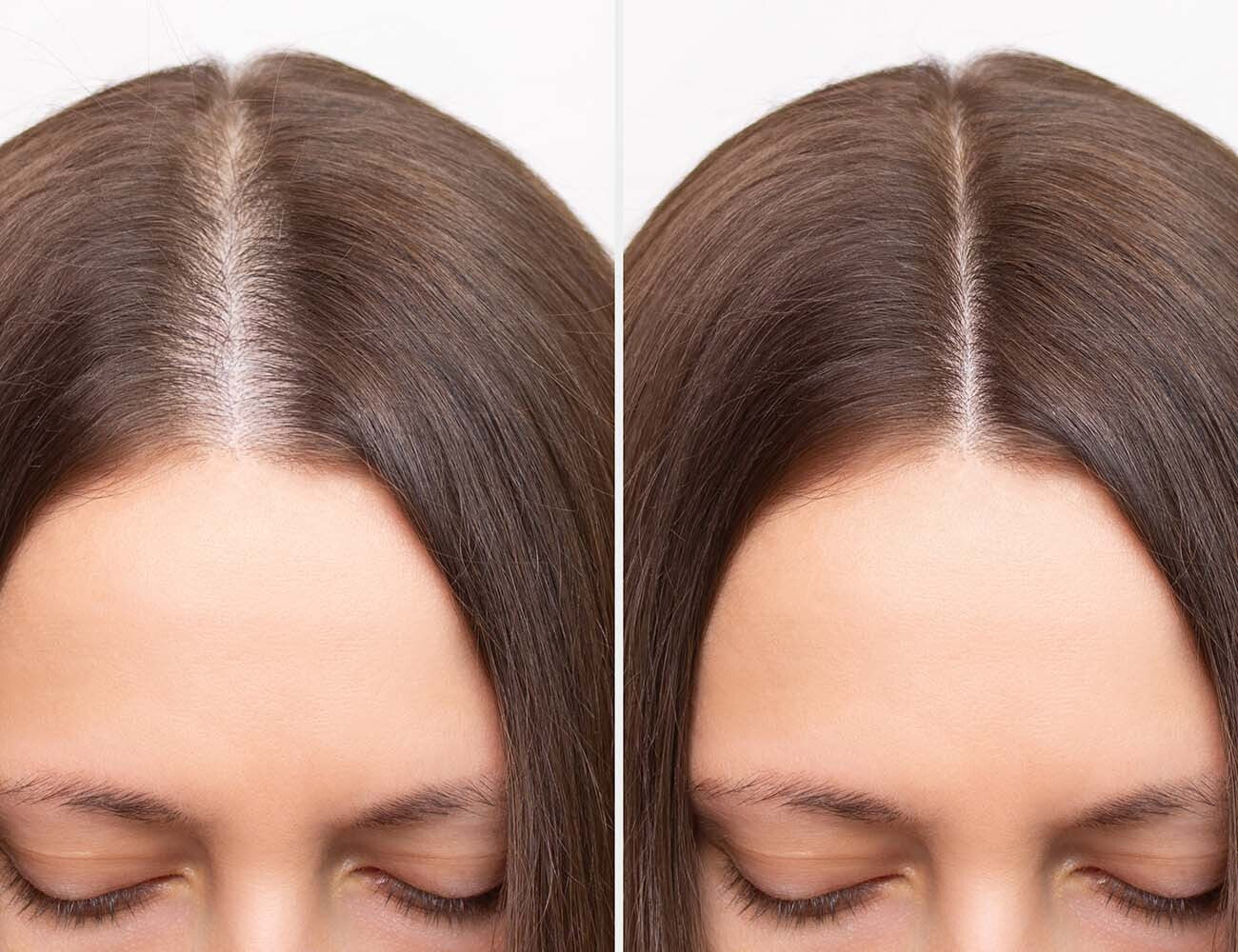
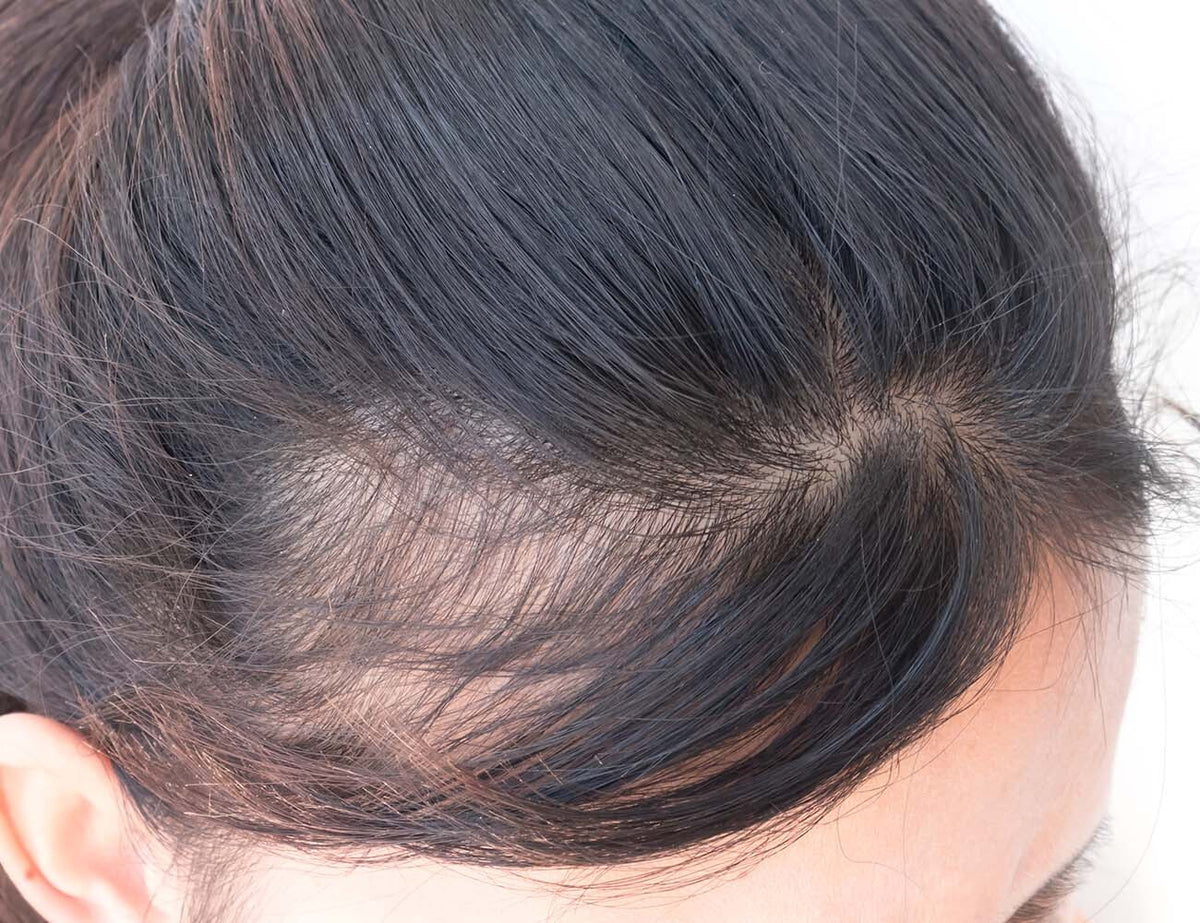
Female Hair Transplant in London is a surgical hair restoration treatment designed to movehealthy hair follicles from a donor area to areas affected by hair thinning or hair loss. At DrOphelia’s Harley Street clinic, hair transplant suitability is assessed carefully, with a focus ondiagnosis, long-term planning, natural-looking results and protecting the health of the donorarea.Hair transplantation may be suitable for patients with stable female pattern hair loss, recedinghairline, thinning crown, traction alopecia, scarring alopecia or areas of permanent hair loss.A detailed consultation is essential to assess the cause of hair loss, the quality of the donorhair and whether surgery is the right option.
What is a Hair Transplant?
A hair transplant is a surgical procedure that relocates healthy hair follicles from one part ofthe scalp, usually the back or sides of the head, to areas where hair has thinned or been lost.
The transplanted follicles are typically taken from areas that are more resistant to genetic hairloss. Once moved, these follicles can continue to grow in their new position, helping torestore density, improve the hairline or soften areas of visible thinning.
There are two main types of hair transplant surgery:
FUE, or Follicular Unit Excision, where individual follicular units are removed from thedonor area using a small punch device.
FUT, or Follicular Unit Transplantation, where a strip of skin containing hair follicles isremoved from the donor area and carefully dissected into grafts.
The most suitable method depends on your hair type, donor area, degree of hair loss, scarringrisk, hairstyle preferences and long-term restoration plan.
How Does a Hair Transplant Work?
A hair transplant works by taking healthy follicles from a donor area and implanting them into areas of thinning or hair loss. The aim is to redistribute existing hair rather than create new follicles.
Before surgery is considered, the cause of hair loss should be diagnosed. This is important because not every type of hair loss is suitable for transplantation. Active inflammation, unstable shedding, untreated scalp disease or poor donor density may mean that surgery should be delayed or avoided.
During a hair transplant, grafts are carefully placed into tiny recipient sites at the correct angle, direction and density to create a natural result. The design of the hairline, the distribution of grafts and the preservation of donor hair are all important for long-term outcomes.
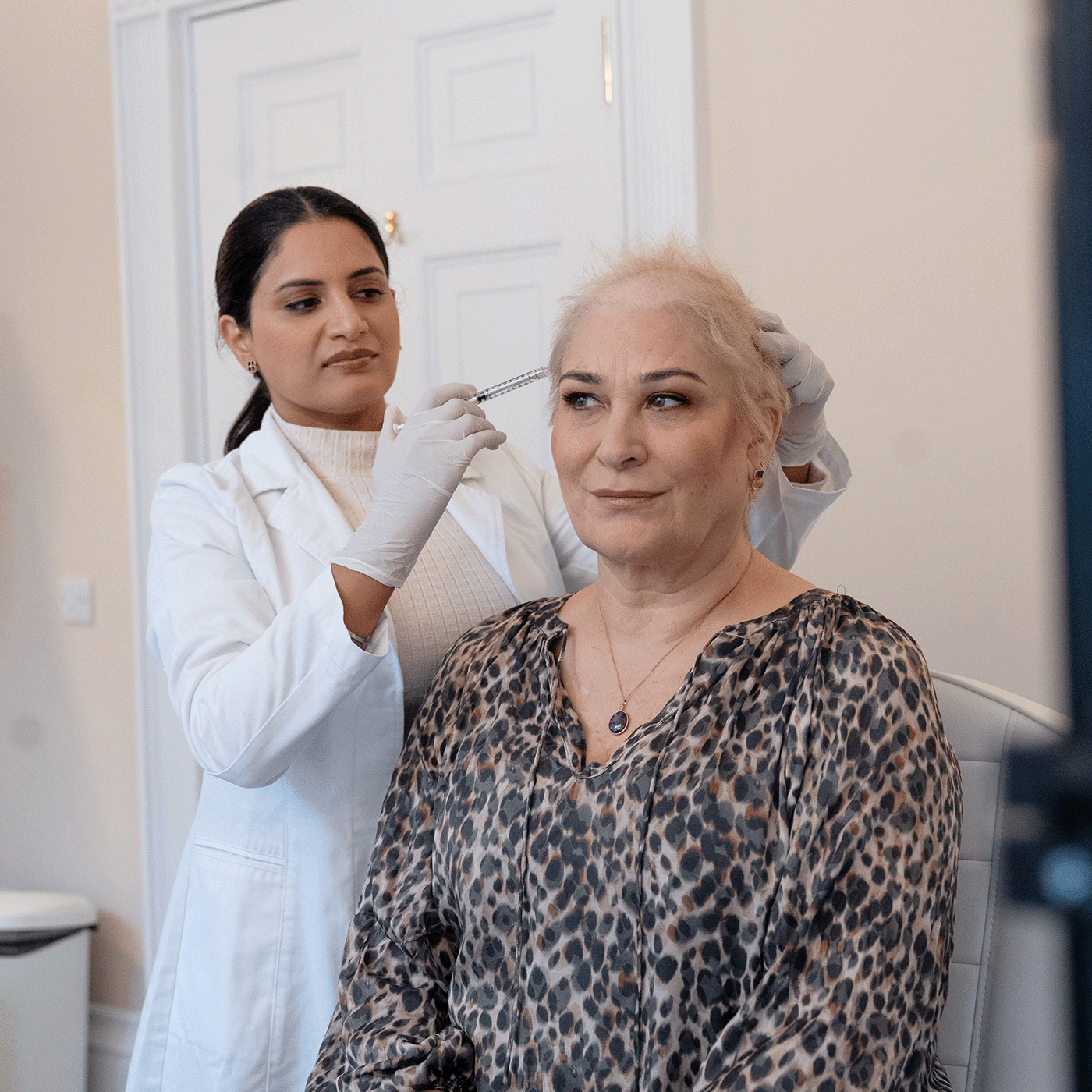
Hair transplantation is often part of a wider hair restoration plan. Some patients may also benefit from medical treatment, PRF Hair Treatment, Dutasteride Mesotherapy or Polynucleotides for Hair to support existing hair and improve scalp health.
Benefits of a Hair Transplant
A hair transplant can offer long-term
improvement for suitable patients with stable hair loss.
Potential benefits include:
- Natural-looking hair restoration
- Improved hairline design
- Increased density in thinning areas
- Long-term growth from transplanted
- follicles
- Suitable for selected cases of female
- pattern hair loss
- Can improve confidence and appearance
- Can treat selected scars or areas of permanent hair loss
- Uses your own hair follicles
- Can be combined with non-surgical hair treatments
- Personalised planning based on donor supply and future hair loss risk
A successful hair transplant depends on
careful patient selection, realistic expectations and expert planning.
Conditions a Hair Transplant Can Treat
Hair Transplant Surgery may be suitable for selected patients with:
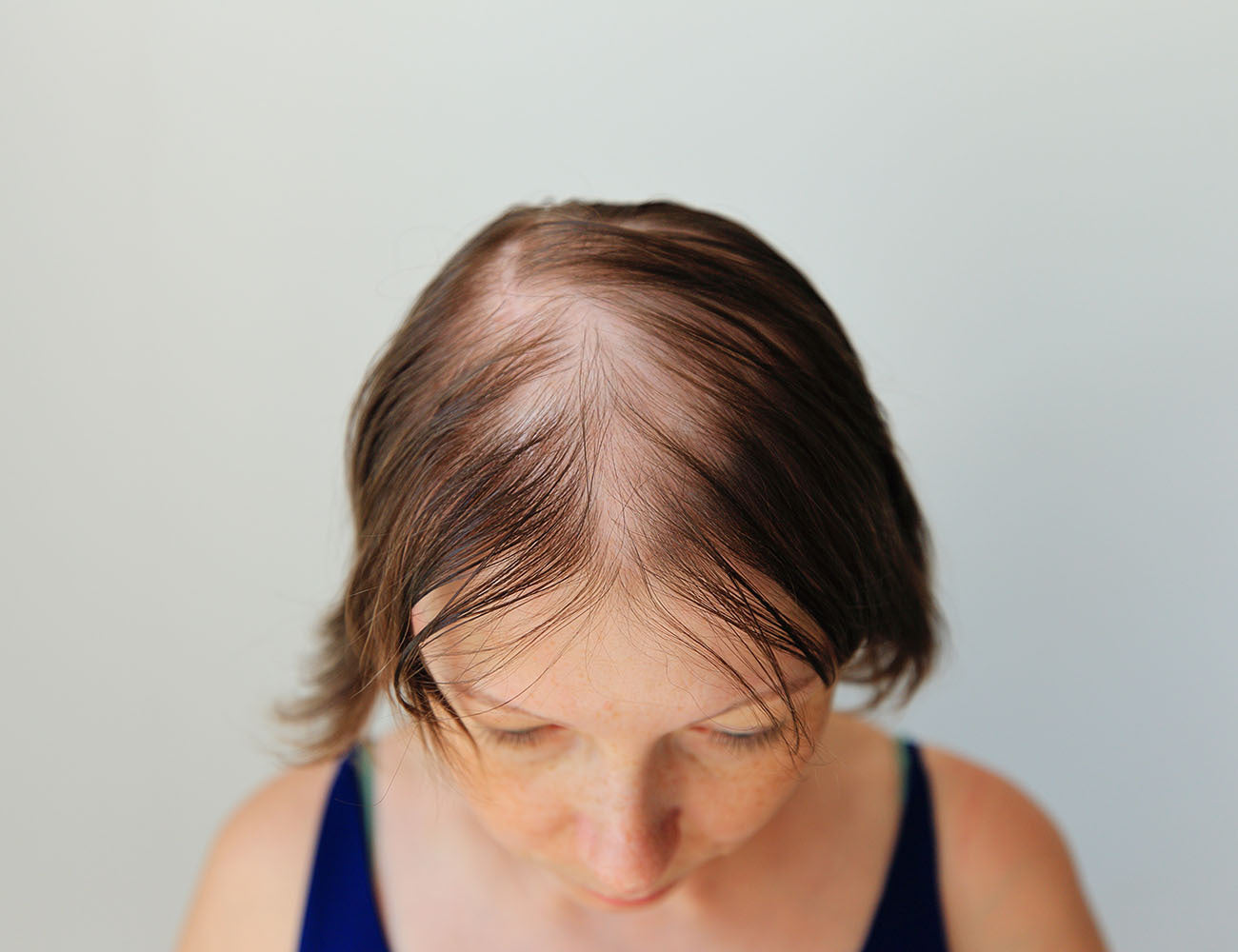
- Female pattern hair loss
- Receding hairline
- Thinning crown
- Hair thinning
- Hair loss
- Traction alopecia
- Scarring alopecia
- Eyebrow thinning
- Post-surgical hair loss
- Hairline recession
Your consultation will determine whether a hair transplant is appropriate, or whether non-surgical hair restoration should be recommended first.
What to Expect - Step by Step Treatment Process
Your hair transplant journey begins with a detailed consultation and diagnosis.
Dr Ophelia will assess your hair loss pattern,scalp health, medical history, family history, medication use and previoustreatments. Clinical photographs may be taken to document your baseline.
The donor area is assessed to determine the
density, quality and availability of hair follicles. This is one of the most
important parts of planning because donor hair is limited and must be used
carefully.
A personalised plan is created based on your
goals, donor capacity and likely future hair loss. This may include hairline
design, crown restoration, density planning or staged treatment.
You will receive preparation instructionsbefore surgery. This may include advice on medication, alcohol, smoking, hairwashing and what to avoid before the procedure.
Depending on the technique, follicles areremoved using either FUE or FUT. The chosen method will be discussed with youin advance.
The grafts are carefully prepared andpreserved before implantation. Good graft handling is important to supportsurvival and growth.
Tiny recipient sites are created in thethinning or bald area. The angle, direction and spacing of these sites helpdetermine how natural the result looks.
The grafts are placed into the recipient
sites. This part of the procedure requires precision and careful distribution.
You will receive clear aftercare instructions,
including how to wash the scalp, protect the grafts and what activities to
avoid while healing.
Results and Downtime
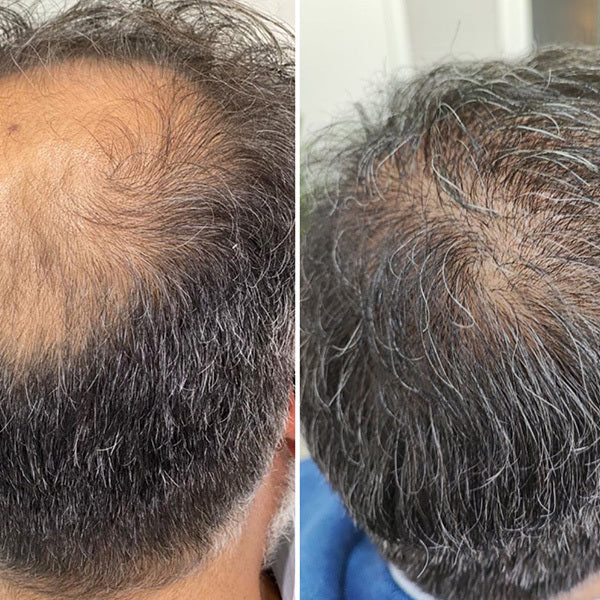
Hair transplant results develop gradually. It is important to understand that final results are not immediate.
Immediately after treatment
The scalp may feel tender, tight or swollen. Small scabs will form around the implanted grafts. You will need to follow aftercare instructions carefully to protect the grafts.
First week
Redness, swelling, scabbing and mild discomfort are common. Many patients take a few days away from work or social plans, depending on the extent of treatment and visibility of the treated area.
2–3 weeks
The transplanted hairs may begin to shed. This is expected and does not usually mean the follicles have failed.
3–4 months
Early new growth may begin. Hair can initially look fine, soft or uneven as it starts to grow.
6 months
A visible improvement in coverage and density may be seen, although results are still developing.
9–12 months
Results usually become more noticeable as the transplanted hair thickens and matures.
12–18 months
Final results may take up to 12–18 months, especially for crown restoration or larger treatment areas.
Pricing and Number of Sessions
Hair transplant pricing depends on the number of grafts required, the technique used, the complexity of the case and whether one or more sessions are needed.
Some patients may only need one procedure, while others may require staged treatment, especially if the area of hair loss is larger or if future hair loss is likely.
During your consultation, your donor area, hair loss pattern and goals will be assessed before a personalised plan and quotation are provided.
A hair transplant should never be planned based on graft numbers alone. The long-term design, donor preservation and future hair loss risk are all important.
Why Dr Ophelia for Hair Transplant Advice in London
- Hair loss can be complex, and surgery is not always the first or best option. At Dr Ophelia’s Harley Street clinic, the process begins with diagnosis, medical assessment and honest advice about suitability.
- Dr Ophelia Veraitch is an award-winning Consultant Dermatologist with expertise in hair and scalp conditions. Her approach focuses on understanding the cause of hair loss, assessing the health of the scalp and creating a long-term plan rather than recommending treatment without proper investigation.
- Patients choose Dr Ophelia for Female Hair Transplant advice in London because of her medical expertise, Harley Street setting and careful, patient-centred approach. Where surgery is appropriate, planning focuses on natural-looking results, safe treatment and long-term hair preservation. Where surgery is not suitable, alternative medical or regenerative treatments may be recommended.

HELP
Frequently Asked Questions - FemaleHair Transplant London
No. Suitability depends on the cause of hair loss, donor hair quality, scalp health, age, medical history and whether the hair loss is stable. A consultation is essential before surgery is considered.
FUE removes individual follicular units from the donor area using a small punch device. FUT removes a strip of scalp from the donor area, which is then dissected into grafts. The best option depends on your case and goals.
Transplanted follicles are usually taken from areas more resistant to genetic hair loss and can provide long-term growth. However, natural ageing and ongoing hair loss can continue in untreated areas.
When will I see hair transplant results?
Early growth may begin around 3–4 months, with more visible improvement around 6–12 months. Final results may take 12–18 months.
The transplanted hairs often shed within the first few weeks. This is a normal part of the process, and new growth usually develops gradually from the transplanted follicles.
Local anaesthetic is used during the procedure to improve comfort. Some tenderness, tightness or discomfort can occur during recovery.
Downtime varies depending on the procedure size and technique. Redness, swelling and scabbing are common during the first week, and many patients prefer to take a few days away from work or social plans.
Yes, women may be suitable for hair transplant surgery in selected cases. A careful diagnosis is important because female hair loss can have several different causes.
A hair transplant may be suitable for selected cases of traction alopecia if the hair loss is stable and there is no active inflammation or ongoing traction.
Yes. Treatments such as PRF Hair Treatment, Dutasteride Mesotherapy or Polynucleotides for Hair may be recommended to support existing hair and improve scalp health, depending on your diagnosis.
Book Your Female Hair Transplant Consultation
If you are considering a female hair transplant in London, book a consultation at Dr Ophelia’s Harley Street clinic. Your hair loss pattern, scalp health and donor area will be carefully assessed before any treatment recommendation is made.
Book your Female Hair Transplant consultation today and take the next step towards a personalised, medically led hair restoration plan.
Related Treatments
PRF
LEARN MORE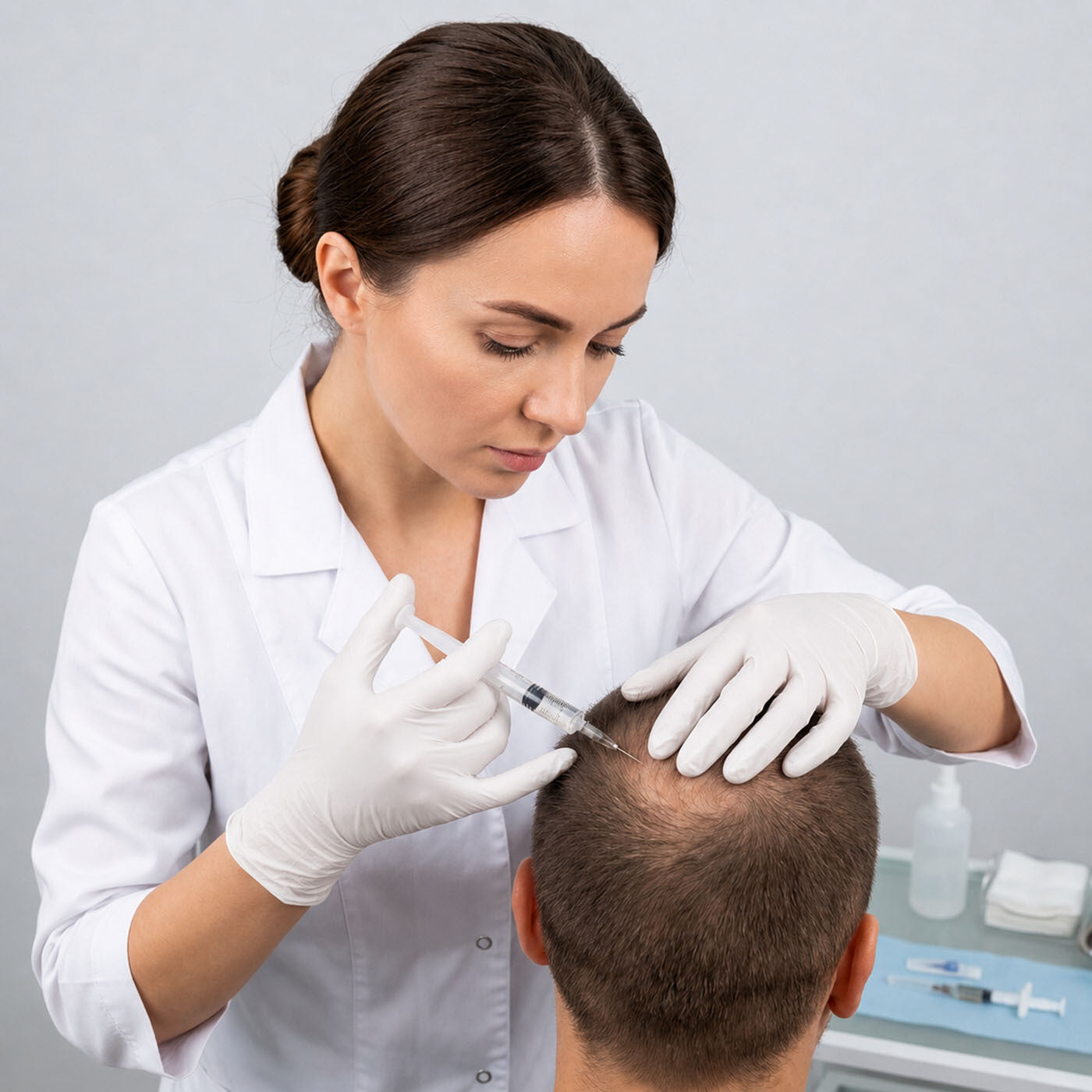
Dutasteride Mesotherapy
LEARN MORE
Polynucleotides for Hair
Learn More