
Polynucleotides for Hair London: Consultant Dermatologist Led Regenerative Scalp Treatment at Harley Street
BOOK A CONSULTATION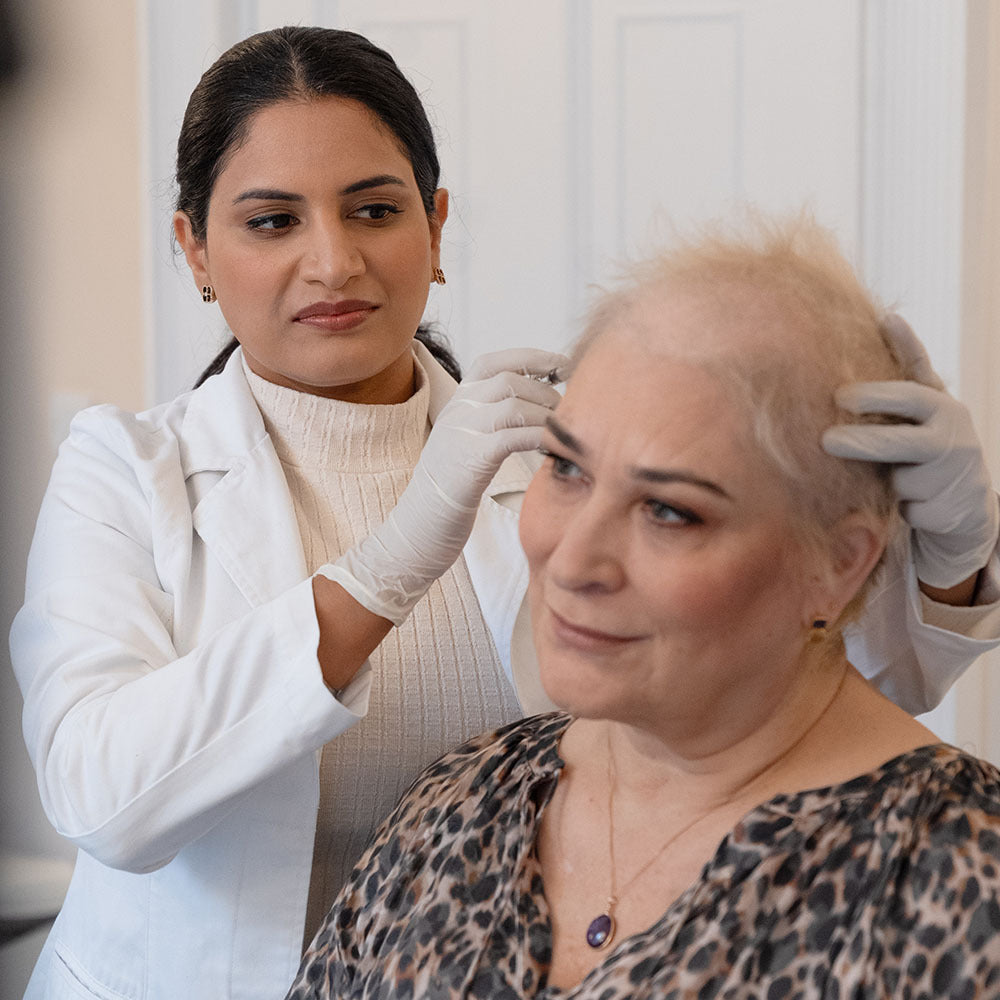
Polynucleotides for Hair
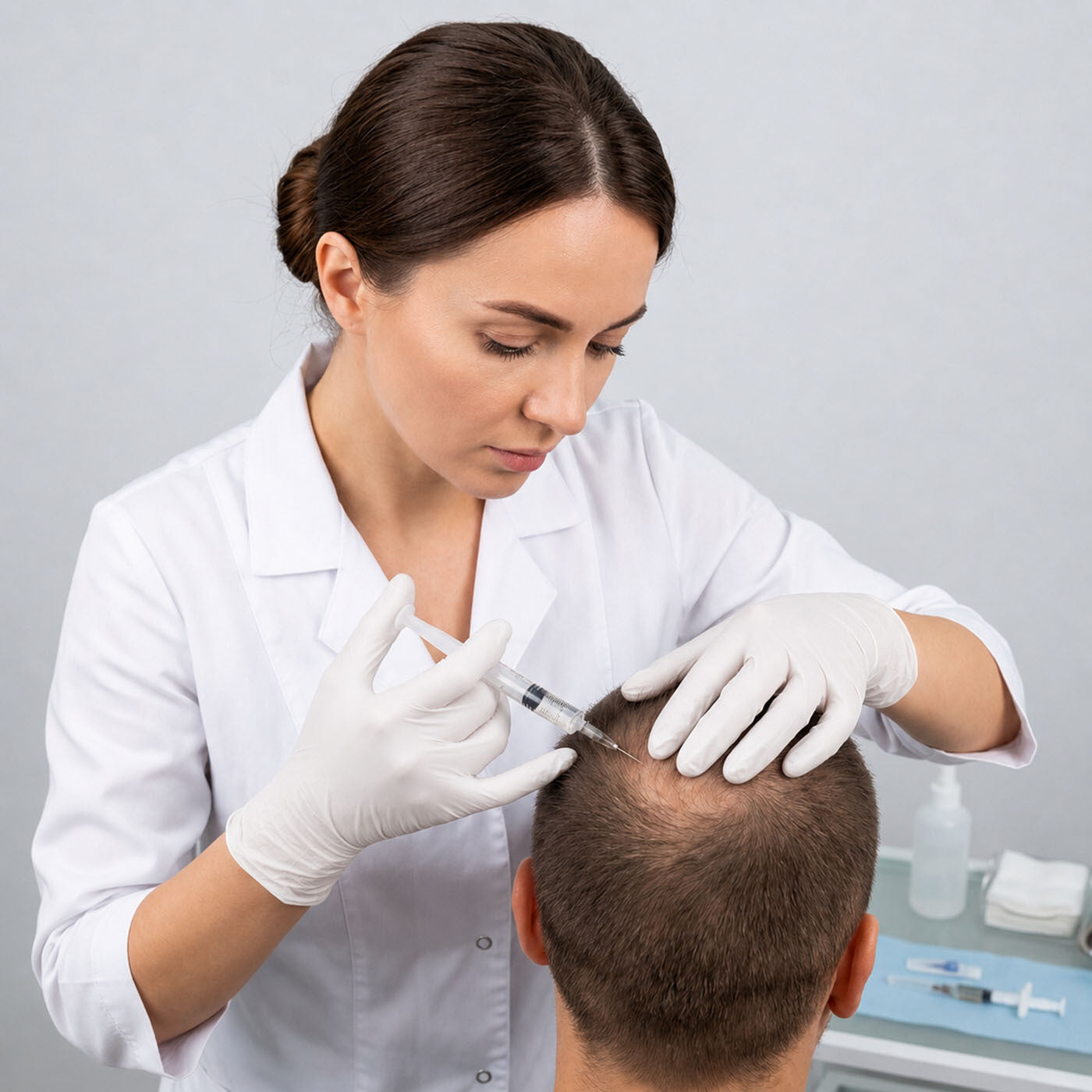
Polynucleotides for Hair in London is a regenerative scalp treatment designed to support hair growth, improve scalp health, and strengthen weak or thinning hair, delivered at Dr Ophelia's Harley Street clinic using Plinest, widely regarded as the premium polynucleotide product available. Every assessment and injection is performed personally by Dr Ophelia, a Consultant Dermatologist with a PhD in Hair Follicle Bioengineering who founded the tertiary Hair Clinic at University College London Hospital.
Polynucleotides occupy a valuable place in Dr Ophelia's hair treatment toolkit. They are often the right choice for patients who find the higher volume and discomfort of PRF or Dutasteride Mesotherapy injections difficult to tolerate, for those experiencing shedding related to stress or GLP1 medication use, and for patients who have already completed a course of PRF or Dutasteride Mesotherapy and want a different regenerative approach. Treatment response is tracked using HairMetrix and the Global Hair Device, the same objective monitoring framework used across all hair treatments at the clinic.
What are Polynucleotides for Hair?
- Plinest, a premium polynucleotide product
- Lower volume, gentler injection than PRF or dutasteride
- Particularly suited to stress and GLP1 related shedding
- Performed personally by a Consultant Dermatologist with a PhD in hair
Polynucleotides are biostimulating molecules made up of nucleotide chains, the building blocks of DNA and RNA. In regenerative medicine they support tissue repair, hydration, cellular activity, and overall scalp quality. At Dr Ophelia's clinic the product used is Plinest, a premium formulation derived from purified salmon DNA fragments, chosen for its quality and consistency of clinical results.
When used for hair concerns, polynucleotides are injected into areas where the hair is thinning, weak, or underperforming, helping support the scalp environment and encourage healthier follicle activity. Because the technique involves smaller volumes and is gentler than PRF or dutasteride mesotherapy, polynucleotides are often the more comfortable option for patients who find higher volume scalp injections difficult to tolerate, while still delivering meaningful regenerative benefit.
Dr Ophelia particularly recommends polynucleotides for patients experiencing shedding linked to high stress or GLP1 medication use, both of which can affect the hair growth cycle and benefit from a calming, regenerative approach. They are also useful for patients who have completed a course of PRF or Dutasteride Mesotherapy and wish to continue with a different modality, whether for variety, comfort, or because their concern has evolved.
How Do Polynucleotides for Hair Work?
Polynucleotides work through several regenerative pathways. They encourage cell repair and regeneration within the scalp and around the hair follicles, supporting follicles that are weakened or under stress. They also improve microcirculation, helping deliver oxygen and nutrients to the follicles, which is particularly important for follicles affected by stress related or GLP1 related shedding, where blood supply and cellular turnover can be temporarily disrupted.
Polynucleotides can also reduce inflammation in the scalp, creating a calmer, more balanced environment for hair follicles. This is especially relevant where poor scalp health, irritation, or low grade inflammation is contributing to weaker hair, and is part of why they suit patients whose shedding has an inflammatory or systemic trigger rather than a purely hormonal one. They also support collagen production and extracellular matrix activity, strengthening the tissue around the follicles and improving density, quality, and resilience over time.
Dr Ophelia performs every assessment and injection personally, using Plinest at carefully selected depths and patterns based on the individual cause of thinning. Progress is monitored objectively using HairMetrix, which measures hair density, shaft thickness, and follicular unit count, and the Global Hair Device, which provides standardised photographic documentation at every visit, the same rigorous standard applied across all of Dr Ophelia's hair treatments.
Benefits of Polynucleotides for Hair
Polynucleotides for Hair are chosen by patients who want an effective, gentler regenerative treatment delivered with consultant level expertise. Key benefits include:
- Plinest, a premium polynucleotide product, used for consistent, high quality results
- Lower volume and more comfortable injection experience than PRF or Dutasteride Mesotherapy
- Particularly well suited to shedding related to stress or GLP1 medication use
- A valuable next step for patients who have completed PRF or Dutasteride Mesotherapy and want a different approach
- Supports cell repair, microcirculation, and a calmer, less inflamed scalp environment
- Stimulates collagen and extracellular matrix activity to strengthen tissue around the follicles
- Performed personally by Dr Ophelia at every visit, never delegated to a nurse or therapist
- Planning by a Consultant Dermatologist with a PhD in Hair Follicle Bioengineering
- Objective, data led monitoring using HairMetrix and the Global Hair Device
- Suitable for the scalp and brows
- Can be combined with PRF or Dutasteride Mesotherapy within a wider hair restoration plan
- Minimal downtime, with most patients returning to normal activities immediately
Conditions Polynucleotides for Hair Can Treat
Polynucleotides for Hair may be suitable for a range of hair and scalp concerns, including:
- Hair thinning
- Hair loss
- Stress related hair shedding
- GLP1 medication related hair shedding
- Weak or poor quality hair
- Poor scalp health or low grade scalp inflammation
- Reduced hair density
- Early stage hair shedding
- Female pattern hair loss
- Male pattern hair loss
- Eyebrow thinning
Suitability depends on the cause and stage of hair loss, and polynucleotides are most effective when the follicles are still present and capable of responding to regenerative stimulation. During your consultation, Dr Ophelia will assess whether polynucleotides are the most appropriate treatment, whether they should be used as a gentler alternative to PRF or dutasteride, or whether combining treatments would produce the best outcome.
What to Expect - Step by Step Treatment Process
Your treatment begins with a thorough consultation with Dr Ophelia to understand your hair concerns, the likely cause of any shedding or thinning, and whether polynucleotides are the right fit.
Dr Ophelia reviews your medical history, hair loss history, relevant stressors, illness, medications including GLP1 agonists, and previous treatments. The scalp, brows, or areas of concern are assessed to determine whether polynucleotides should be used alone, as a gentler alternative to PRF or dutasteride, or in combination.
A tailored plan is created based on the cause and pattern of thinning, the areas treated, and your long term goals, used alone or within a wider regenerative programme.
Your scalp is assessed using HairMetrix and the Global Hair Device, providing baseline measurements of density, shaft thickness, and follicular unit count, with standardised photography for future comparison.
The scalp or brow area is cleansed thoroughly. Many patients find the injections comfortable enough that no anaesthetic is required, though a topical numbing cream can be applied if preferred.
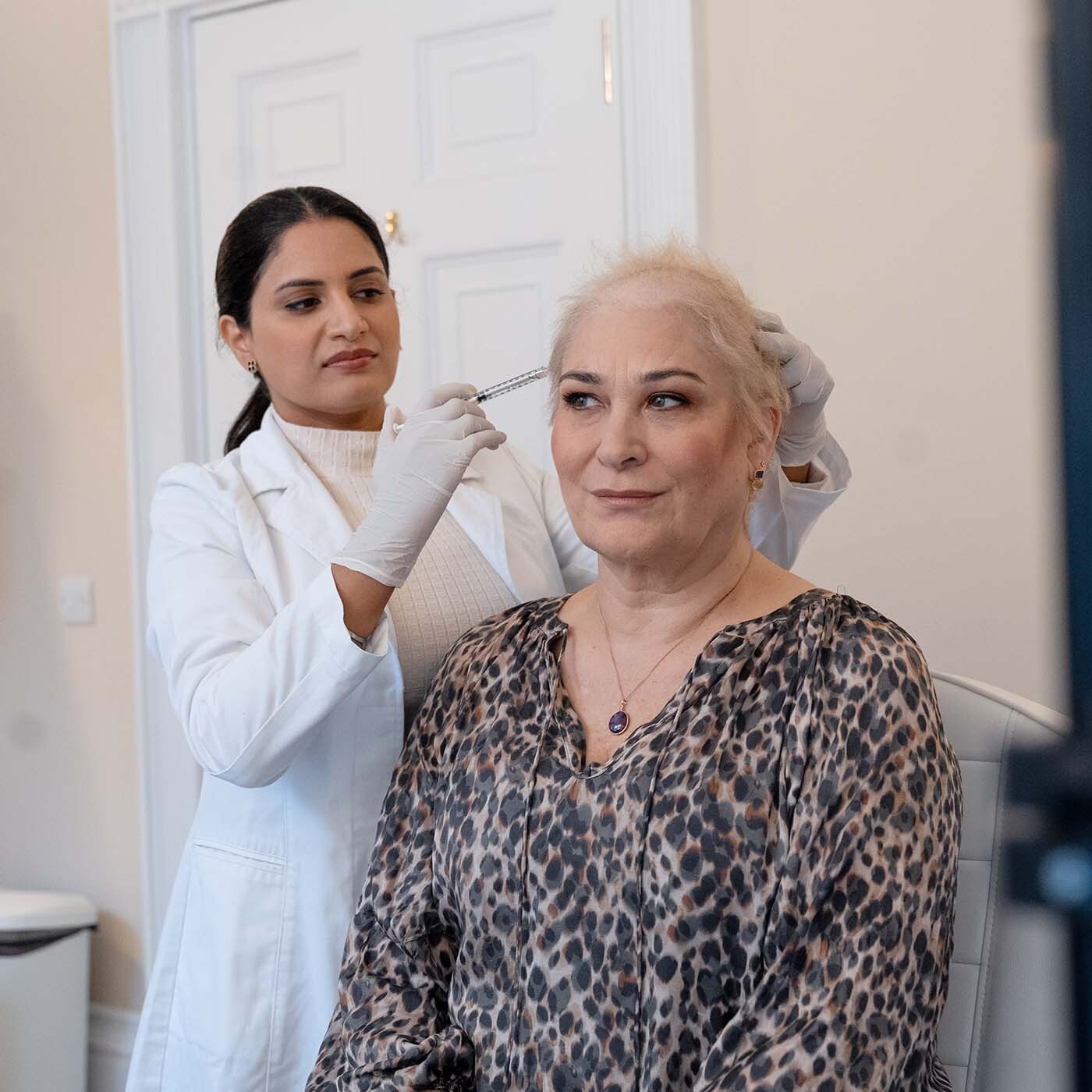
Small amounts of Plinest are injected into the targeted areas personally by Dr Ophelia using fine needles, with the pattern selected to support the follicles and scalp tissue where regeneration is needed most.
You receive personalised guidance, which may include avoiding intense exercise, heat exposure, or active scalp products for a short period.
A course is usually recommended to build results gradually. At each follow up, progress is reviewed using HairMetrix and Global Hair Device imaging, and your plan adjusted, including whether to introduce PRF or Dutasteride Mesotherapy alongside them.
Results and Downtime
Immediately after treatment, there may be mild redness, tenderness, swelling, or small bumps at the injection points. These are usually temporary and settle quickly, and are typically less pronounced than with the higher volume injections used in PRF or Dutasteride Mesotherapy.
Within 24 to 48 hours, the scalp or brow area should begin to feel calmer, and any mild sensitivity or visible injection marks usually reduce.
By 4 to 6 weeks, the scalp environment may begin to improve as the regenerative effects develop. Patients with stress related or GLP1 related shedding often notice their scalp feels calmer and that shedding begins to stabilise.
Over 3 to 6 months, changes in hair quality, strength, and density become more noticeable as the growth cycle progresses. HairMetrix measurements at this stage typically confirm objective improvement, even before changes are obvious to the eye.
For ongoing maintenance, results can be sustained with a suitable plan. For many patients, an initial course is followed by periodic maintenance sessions, the frequency of which depends on individual response and goals and is reviewed objectively at each visit. There is minimal downtime, and most patients return to normal activities immediately.
Pricing and Number of Sessions
The number of sessions required depends on the cause and severity of your concern, whether treatment is used alone or alongside PRF or Dutasteride Mesotherapy, and your individual response. A course is usually recommended initially, typically 8 treatments spaced 1 to 4 weeks apart, followed by maintenance sessions where appropriate. Pricing is confirmed at consultation following a full assessment using HairMetrix and the Global Hair Device, as the most suitable course varies between patients. Dr Ophelia's team will provide a clear, personalised cost breakdown before treatment begins.
Why Dr Ophelia for Polynucleotides for Hair in London?
- PhD in Hair Follicle Bioengineering, with a research background underpinning every treatment decision
- Founder of the tertiary Hair Clinic at University College London Hospital
- Every assessment and injection performed personally by Dr Ophelia
- Trusted by other dermatologists, who refer their patients and come to her for their own hair treatment
Polynucleotides are a genuinely useful regenerative treatment, but the right product, injection technique, and patient selection are what determine whether they work. Dr Ophelia uses Plinest and brings the same depth of expertise that informs her wider hair practice. Her PhD and her role founding one of the most academically rigorous hair services in the country directly shape how she identifies which patients benefit most from polynucleotides rather than PRF or Dutasteride Mesotherapy.
A significant number of her patients are referred by other dermatologists who recognise the depth of her subspecialty expertise, and many of those dermatologists choose to be treated by her for their own hair concerns, a strong marker of clinical trust among peers. Polynucleotides are especially valuable for shedding linked to stress or GLP1 medication use, both increasingly common in clinic. Because these forms of shedding often respond well to a gentler approach than the higher volume injections used in PRF or dutasteride, Dr Ophelia matches the right treatment precisely to the underlying cause rather than defaulting to a single protocol, with the same consultant oversight and objective monitoring that underpins every hair treatment at her clinic.

HELP
Frequently Asked Questions - Polynucleotides for Hair London
Plinest, a premium polynucleotide product derived from purified salmon DNA fragments, chosen for its quality, safety profile, and consistency of clinical results.
Many patients find them more comfortable, largely because the injection volumes are smaller. For patients who struggle with the discomfort of higher intensity scalp injections, polynucleotides can be an effective, better tolerated alternative.
Dr Ophelia has found them particularly helpful for shedding linked to stress or GLP1 medication use. Both can disrupt the growth cycle and benefit from the calming, regenerative, anti inflammatory properties of polynucleotide treatment.
Yes. They are a popular option for patients who have completed a course of PRF or Dutasteride Mesotherapy and want a different regenerative approach. Dr Ophelia will assess whether polynucleotides alone, or in combination, is best.
Yes. Every assessment and injection is performed by Dr Ophelia personally. Many dermatologists refer their own patients to her for complex hair loss, and a number choose to be treated by her for their own concerns.
Yes. They may suit both men and women experiencing thinning, weakened hair, or scalp concerns. A consultation is needed to assess the cause and pattern of your hair loss first.
The treatment is generally very well tolerated. Many patients require no anaesthetic at all, although a topical numbing cream can be applied if preferred.
Polynucleotides for Hair usually takes approximately 30 minutes, depending on the treatment area.
Downtime is minimal. Most patients return to normal activities immediately. Mild redness, swelling, or small bumps may occur but usually settle quickly.
Results develop gradually. Some patients notice improved scalp comfort and stabilised shedding within a few weeks, while visible changes in strength and density may take 3 to 6 months.
Yes, they may be used for brow thinning in suitable patients, following careful assessment during consultation.
Yes, where appropriate, either at the same time or sequentially, depending on the cause of your thinning and the results you want to achieve.
Book Your Polynucleotides for Hair Consultation in London
If you are concerned about thinning, stress or GLP1 related shedding, weak hair, or scalp health, or if you have found PRF or Dutasteride Mesotherapy difficult to tolerate, book a consultation for Polynucleotides for Hair at Dr Ophelia's Harley Street clinic in London. Your concerns will be assessed by a Consultant Dermatologist with a PhD in Hair Follicle Bioengineering, using HairMetrix and the Global Hair Device for objective monitoring, before a personalised treatment plan is created.
For patients seeking a gentler, evidence led regenerative treatment delivered with genuine consultant level expertise, this is where to start.
Related Treatments
PRF Hair Restoration
Learn More