
Nd:YAG Laser Hair Removal London - Medically Led Hair Reduction at Harley Street
BOOK A CONSULTATION
Nd:YAG Laser Hair Removal
Nd:YAG Laser Hair Removal in London at Dr Ophelia's Harley Street clinic is delivered within a full Consultant Dermatologist led medical framework that goes significantly further than any laser hair removal chain or aesthetic clinic can offer. For patients whose excess hair has a medical cause, including PCOS and other hormonal or systemic conditions, Dr Ophelia has the diagnostic and prescribing capability to identify and treat the underlying cause alongside the laser programme.
Two issues that are endemic in the laser hair removal industry deserve to be stated clearly before anything else, because they affect a significant number of patients who present to Dr Ophelia's clinic having been treated elsewhere.
The first is paradoxical hypertrichosis, a recognised and distressing complication of laser hair removal in which sub therapeutic laser energy, rather than destroying the follicle, stimulates it to produce new and often denser hair growth in and around the treated area. This is a direct consequence of deliberately low energy treatment protocols common at high volume, low cost laser chains.
The second is the widespread use of IPL devices for hair removal in patients with darker skin tones, where the broad, non selective light spectrum of IPL carries a real risk of inducing post inflammatory hyperpigmentation, burns, and uneven pigmentation. IPL for hair removal is not used at this clinic.
What is Nd:YAG Laser Hair Removal?
- Cynosure Elite iQ dual wavelength platform, Nd:YAG and Alexandrite
- Always delivered at correct clinical settings, never at deliberately low parameters that cause paradoxical hair growth
- Full medical assessment including diagnosis and treatment of PCOS and other causes of excess hair
- IPL not used, protecting darker skin tones from pigmentation complications
Nd:YAG Laser Hair Removal is a non surgical treatment that uses concentrated laser light to target and damage the hair follicle, reducing its ability to produce new hair and achieving progressive, long lasting hair reduction over a course of treatments. At Dr Ophelia's clinic, the Cynosure Elite iQ system is used, a dual platform combining Nd:YAG and Alexandrite wavelengths that allows the most appropriate laser to be selected for each patient.
The Nd:YAG 1064nm wavelength is particularly suited to darker skin tones, where its longer wavelength bypasses surface melanin to target the follicle precisely, reducing the risk of the pigmentation changes and burns that shorter wavelength lasers and IPL devices carry. The Alexandrite 755nm wavelength is more effective for lighter skin tones with darker hair.
How Does Nd:YAG Laser Hair Removal Work?
Nd:YAG laser hair removal works by delivering concentrated laser energy into the skin, where it is absorbed by melanin in the hair follicle shaft and bulb, converting to heat that damages the follicle and impairs its ability to produce new hair. Because hair grows in cycles and not all follicles are in the active growth phase simultaneously, a course of treatments is required.
The energy level at which the laser is delivered is the single most clinically important variable in laser hair removal. When energy is deliberately kept below the therapeutic threshold, the follicle receives a sub lethal stimulus, which in a significant proportion of cases causes paradoxical hypertrichosis: new, often darker and denser hair growth in the treated zone, driven by the stimulatory effect of low level laser energy on follicular activity.
This complication is not rare. Dr Ophelia treats patients who have developed paradoxical hypertrichosis after treatment at laser chains and aesthetic clinics in the UK and internationally, and managing it requires genuine dermatological expertise and an understanding of follicular biology.
Why IPL is Not Used for Hair Removal at Dr Ophelia's Clinic
Intense Pulsed Light devices are widely used for hair removal at beauty salons, high street aesthetic clinics, and chain providers. IPL is not a laser. It emits a broad spectrum of light wavelengths rather than a single targeted wavelength, making it significantly less precise and less safe in patients with darker skin tones.
In darker skin types, the broad spectrum emitted by IPL is absorbed by skin melanin as well as follicular melanin, carrying a meaningful risk of burns, post inflammatory hyperpigmentation, and uneven pigmentation in patients with Fitzpatrick skin types III and above. This pigmentation can be deep, irregular, and resistant to treatment.
The Cynosure Elite iQ Nd:YAG and Alexandrite platform does not carry these risks when operated at appropriate settings, which is why it was chosen for this clinic.
Medical Causes of Excess Hair Growth - Diagnosis and Treatment at Dr Ophelia's Clinic
Excess hair growth on the face and body is not always simply a cosmetic concern. In many patients, particularly women, it is a symptom of an underlying medical condition that requires diagnosis and treatment in its own right, and will continue to drive new hair growth regardless of how many laser sessions are performed if left unaddressed.
The most common medical cause is polycystic ovary syndrome (PCOS), a hormonal condition characterised by elevated androgen levels, irregular cycles, and features including hirsutism and acne. PCOS is significantly underdiagnosed among women attending laser hair removal clinics. Other causes include congenital adrenal hyperplasia, hormone-producing tumours, thyroid dysfunction, and medication induced hirsutism.
As a Consultant Dermatologist, Dr Ophelia is qualified to assess and diagnose these conditions, request appropriate hormone panels, and prescribe or facilitate treatment, including spironolactone, with referral to endocrinology or gynaecology where specialist input is needed.

Benefits of Nd:YAG Laser Hair Removal at Dr Ophelia's Clinic
Nd:YAG laser hair removal at Dr Ophelia's clinic is chosen by patients who want safe, effective, properly delivered hair reduction within the most comprehensive medical framework available in a private Harley Street practice. Key benefits include:
- Recognised expertise in assessing and treating patients who have developed paradoxical hypertrichosis after treatment elsewhere, including from clinics abroad
- Full medical assessment for underlying causes of excess hair including PCOS, adrenal conditions, and medication induced hirsutism
- Onward referral to endocrinology, gynaecology, or reproductive medicine where needed
- Suitable for all skin tones including skin of colour, using the Nd:YAG wavelength with appropriate parameters
- No expected downtime, with cooling technology to improve comfort during treatment
Conditions Nd:YAG Laser Hair Removal Can Treat
Nd:YAG laser hair removal may be suitable for patients with excess or unwanted hair in the following areas and circumstances:
- Unwanted facial hair, including upper lip, chin, cheeks, and sideburns
- Unwanted body hair, including legs, arms, underarms, back, shoulders, and bikini area
- Hormonally driven facial and body hair, including hirsutism associated with PCOS or medication
- Ingrown hairs, folliculitis, and razor bumps
- Paradoxical hypertrichosis following sub-therapeutic laser treatment at another clinic
- Patients who have had poor results or complications from IPL or low-energy laser treatment elsewhere
Laser hair removal is most effective on darker hair with adequate melanin content. White, blonde, and red hair does not typically respond well, as these colours contain insufficient melanin for the laser to target.
What to Expect - Step by Step Treatment Process
Your Nd:YAG laser hair removal treatment begins with a full medical consultation covering your skin tone, hair type, treatment history, and any underlying hormonal or medical factors that may be driving excess hair growth.
Dr Ophelia or a trained practitioner will take a detailed history of your excess hair growth, including when it started, associated symptoms, medications, and any previous laser or IPL treatments and their outcomes.
Where the pattern of excess hair growth suggests an underlying medical cause such as PCOS, appropriate blood tests will be discussed and arranged, and oral medication including spironolactone considered where clinically appropriate.
For patients with concerns about pigmentation or skin quality alongside hair removal, VISIA skin analysis provides an objective baseline.
A personalised plan is created specifying the wavelength, energy parameters, treatment areas, number of sessions, and spacing.
The area should be shaved 24 to 48 hours before each appointment. Waxing, plucking, and threading must be avoided during the course, as the follicle must remain present for the laser to target it.
The area is thoroughly cleansed before treatment to remove any product, oil, or surface residue.
Certified laser safety eyewear is worn throughout the procedure.
The Cynosure Elite iQ handpiece is passed over the treatment area using the wavelength and energy settings selected for the individual patient, delivered at the level required to produce effective follicular damage, not at a deliberately low setting. Most patients describe the sensation as similar to an elastic band snapping against the skin.
The integrated cooling system of the Cynosure Elite iQ platform reduces discomfort during treatment.
Full aftercare instructions are provided, including sun protection and avoiding tanning between sessions. Where medical treatment for a hormonal cause is ongoing, this is reviewed at follow up appointments.
Results and Downtime
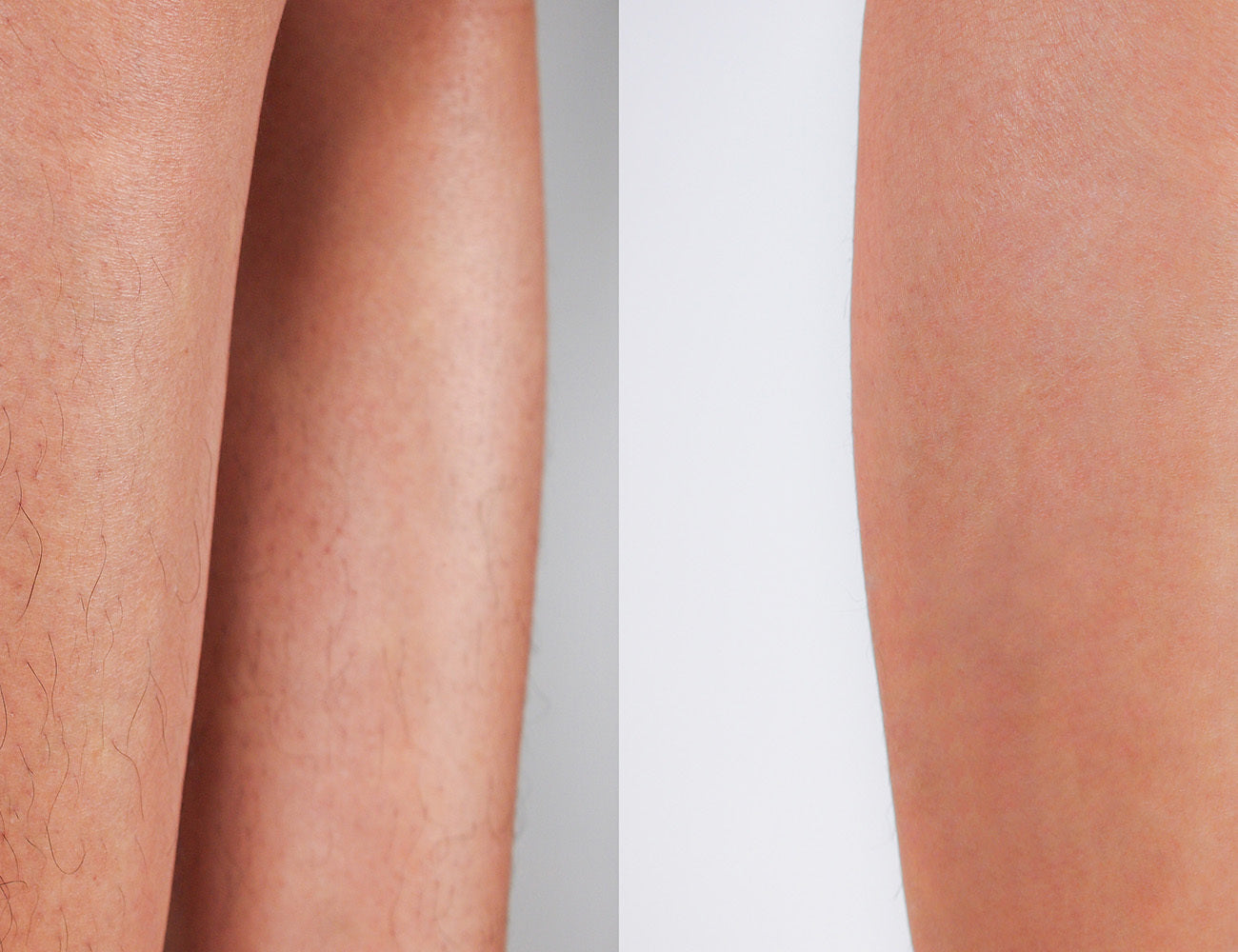
- Immediately after treatment The treated area may look slightly red or feel warm, and may look temporarily hair-free as treated hairs have been singed at the surface.
- 1 to 2 weeks Treated hairs begin to shed, which can initially appear as continued growth but reflects the damaged follicle releasing the hair shaft.
- 4 to 6 weeks The next session is usually scheduled at this point, timed to coincide with the next cycle of follicular activity.
- Full course of treatment A course of 6 to 8 sessions spaced 4 to 6 weeks apart is standard. Patients treated at appropriate energy levels achieve more meaningful reduction per session.
- Long term maintenance Laser hair removal produces semi permanent reduction rather than permanent removal, and maintenance sessions may be needed over time, particularly in hormonally driven areas.
Pricing and Number of Sessions
The number of sessions required depends on the area treated, skin tone, hair colour, hair thickness, and any hormonal or medical factors present. A course of 6 to 8 treatments spaced 4 to 6 weeks apart is the standard recommendation.
Pricing is available on request and a personalised quotation is provided at consultation based on the treatment area and plan recommended.
Why Dr Ophelia for Nd:YAG Laser Hair Removal in London?
- Full medical assessment and diagnosis of underlying causes of excess hair growth, including PCOS, adrenal conditions, and medication induced hirsutism
- Prescription oral medication including spironolactone for hormonal hair growth, not available at non-medical clinics
- Recognised expertise in managing paradoxical hypertrichosis after treatment elsewhere, including international referrals
Laser hair removal is one of the most widely available aesthetic treatments in the UK, and it is also one of the most inconsistently and sometimes dangerously delivered. The gap between a properly medically led dermatologist practice and a high-volume chain or IPL based beauty clinic is a fundamental difference in clinical capability, diagnostic authority, prescribing access, and accountability.
The paradoxical hypertrichosis problem is emblematic of this gap, and managing it requires assessing the extent and pattern of the growth and combining laser treatment with prescription anti androgen medication where hormonal sensitivity is contributing. For patients whose excess hair has a medical cause, a laser chain has no pathway to diagnose it, whereas at Dr Ophelia's clinic PCOS and other causes of hirsutism are assessed as part of the initial consultation.

HELP
Frequently Asked Questions - Nd:YAG Laser Hair Removal London
Paradoxical hypertrichosis is a recognised complication of laser hair removal in which sub therapeutic laser energy stimulates follicular activity rather than destroying it, causing new or denser hair growth in or adjacent to the treated area. It is substantially more likely when treatments are delivered at deliberately low energy settings. Treatment requires careful assessment of the extent and pattern of the growth and often the combination of laser with prescription anti androgen medication.
Yes. As a Consultant Dermatologist, Dr Ophelia can assess the clinical picture, request and interpret hormone blood panels, and diagnose PCOS and other causes of hirsutism including adrenal conditions, thyroid dysfunction, and medication-induced hirsutism, prescribing spironolactone or facilitating referral where needed.
Spironolactone is an oral anti androgen medication with a well evidenced role in the treatment of hirsutism in women. It works by blocking androgen receptors in the skin and hair follicles, reducing the hormonal stimulus for excess hair growth.
IPL emits a broad spectrum of light wavelengths rather than a single targeted laser wavelength. In darker skin tones, this is absorbed by skin melanin as well as follicular melanin, carrying a meaningful risk of burns and post inflammatory hyperpigmentation. The Cynosure Elite iQ platform was chosen because it provides safe, targeted hair removal across all skin tones without these risks.
Some clinics, particularly high volume, lower cost providers, use deliberately low energy settings to reduce discomfort and keep sessions quick. This reduces efficacy per session and carries a meaningful risk of paradoxical hypertrichosis. At Dr Ophelia's clinic, the correct clinical energy level is always used.
Yes. The Nd:YAG 1064nm wavelength is particularly well suited to darker skin tones, targeting the follicle at a depth and specificity that avoids the pigmentation risks of shorter wavelength lasers and IPL.
A course of 6 sessions spaced 4 to 6 weeks apart is the standard recommendation for most patients treated at appropriate clinical energy levels.
Most patients describe the sensation as similar to an elastic band snapping against the skin. The integrated cooling system of the Cynosure Elite iQ platform reduces discomfort.
Laser hair removal produces semi-permanent reduction rather than permanent removal. Most adequately treated follicles will not regrow, but maintenance sessions may be needed over time.
Sun exposure, tanning, and tanning products should be avoided before treatment and between sessions. Waxing, plucking, and threading must be avoided during the course, and the area should be shaved 24 to 48 hours before each appointment.
Book Your Polynucleotides for Hair Consultation in London
If you are concerned about unwanted facial or body hair, have been diagnosed with or suspect PCOS or another hormonal cause of excess hair growth, have experienced paradoxical hair growth or pigmentation complications from laser or IPL treatment elsewhere, or have simply had disappointing results from previous laser hair removal, book a consultation at Dr Ophelia's Harley Street clinic in London.
Your hair growth pattern, skin tone, hormonal picture, and treatment history will all be properly assessed by a Consultant Dermatologist who can offer the correct laser platform, the correct clinical parameters, and prescription medication to address the underlying cause where indicated.
Related Treatments

Picosure Pro
LEARN MORE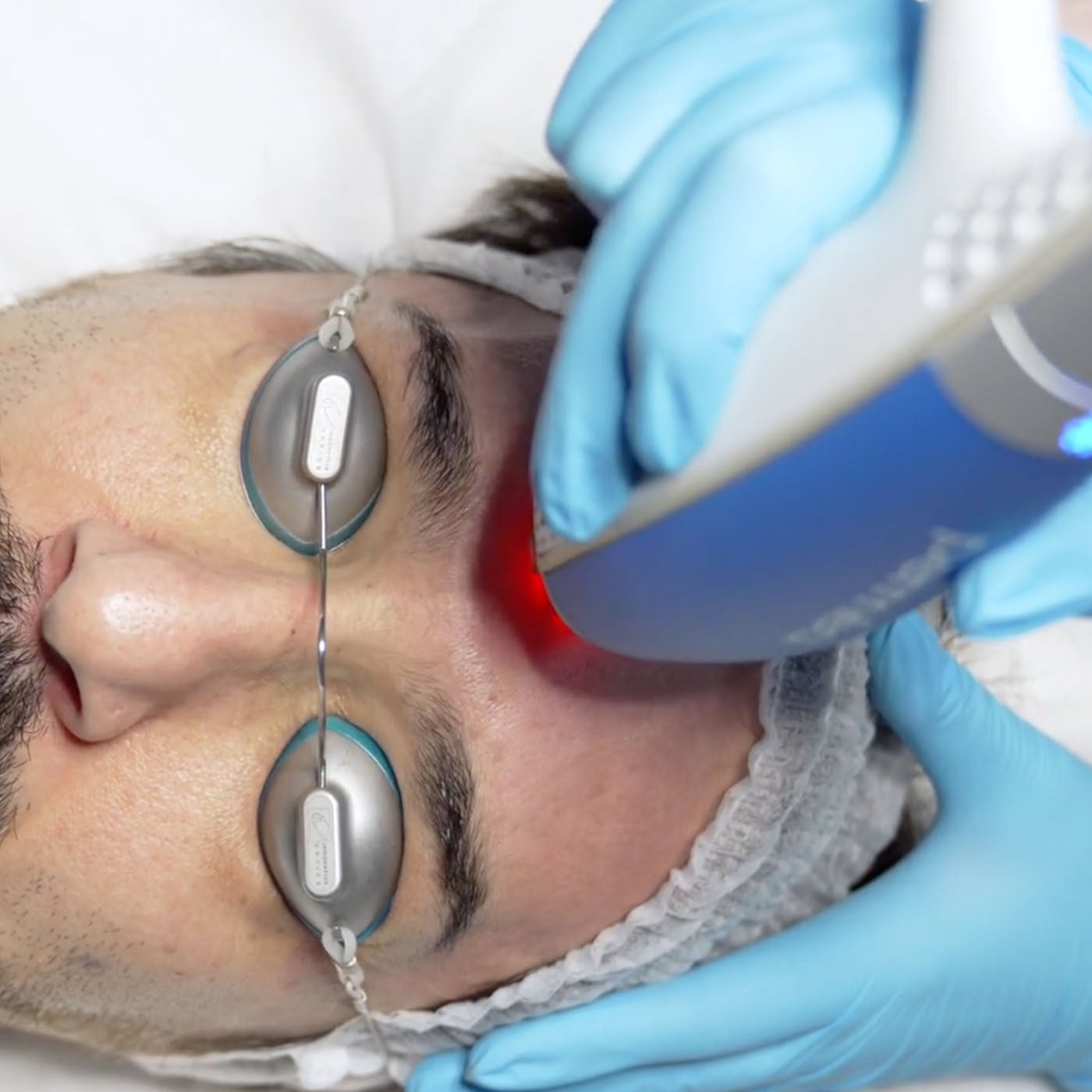
Clear & Brilliant Laser
Learn More
Intense Pulsed Light
Learn More
Hydrafacial
Learn More