
Hair Shedding
BOOK A CONSULTATIONWhat is hair shedding and what causes it?
- Telogen effluvium and anagen effluvium. Triggered by illness, stress, hormones and nutrition
- May unmask underlying hair loss
- Thorough investigation essential
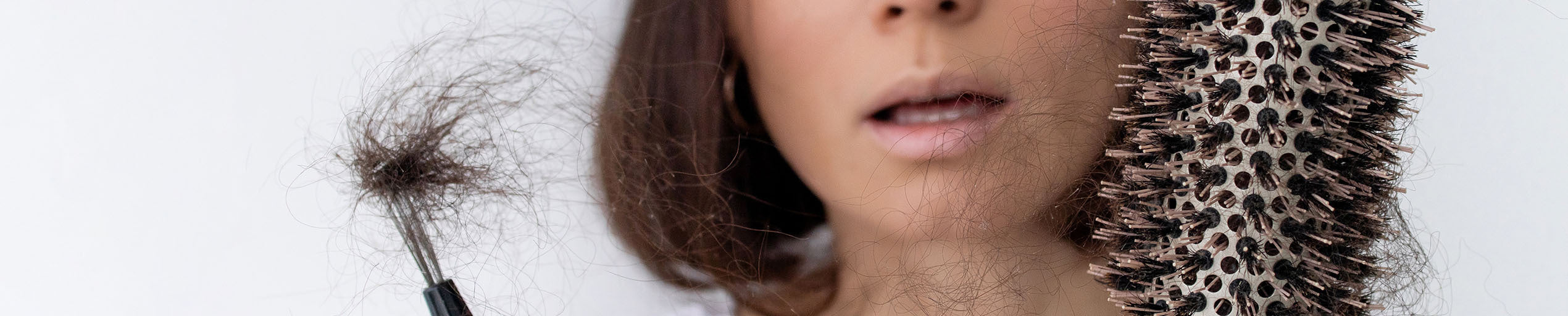
Excessive hair shedding is one of the most common and distressing hair complaints, and one of the most frequently mismanaged. The two principal forms are telogen effluvium and anagen effluvium, though telogen effluvium is by far the more common.
Telogen effluvium occurs when a significant physiological or psychological stressor causes many follicles to shift prematurely from the active growth phase (anagen) into the resting phase (telogen), producing a diffuse increase in shedding two to four months later. Common triggers include acute and post-viral illness, major surgery, significant physical or emotional stress, rapid weight loss or nutritional restriction, iron deficiency and suboptimal ferritin, thyroid dysfunction, deficiencies in vitamin D, zinc, vitamin B12 or folate, hormonal changes after childbirth or during the perimenopause, and the initiation, change or discontinuation of hormonal medications including contraceptives and HRT. Chronic telogen effluvium, where shedding is prolonged rather than acute, requires particularly careful investigation, as the driver is often more complex.

Anagen effluvium is a more abrupt and severe form that occurs when the growth cycle is directly disrupted during the active phase. Most commonly associated with chemotherapy and other treatments affecting rapidly dividing cells, it produces sudden, dramatic loss across the scalp, with recovery tied to cessation of the treatment.
A frequently underappreciated point is that a shedding episode can unmask an underlying predisposition to female pattern hair loss (androgenetic alopecia). In women with a genetic tendency towards follicle miniaturisation, a significant episode can accelerate thinning until the pattern becomes visible, so advising that shedding will simply resolve can delay treating a separate, progressive condition.
What are my treatment options for hair shedding?
- Underlying cause investigation and correction
- Targeted hair growth treatments; hair growth tonics, oral anti-androgoens (spironolactone, finasteride), PRF, mesotherapy, polynucleotides
- HairMetrix and Global Hair Device monitoring
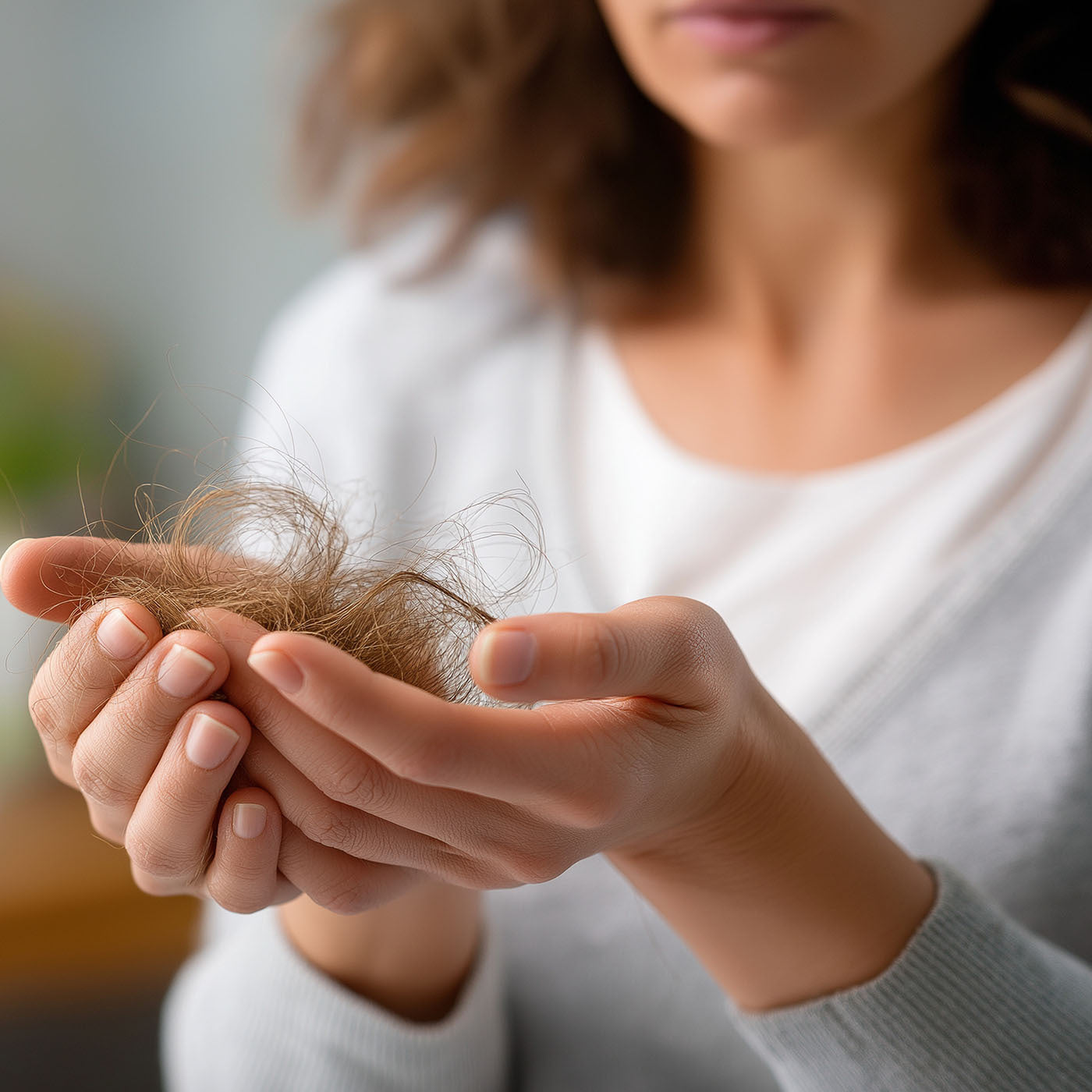
Effective treatment begins with a thorough investigation to identify all contributing factors. Dr Ophelia takes a detailed history covering the onset and pattern of shedding, recent illnesses, diet, weight, stress and life events, and a full medication and hormonal review. Blood tests routinely include ferritin, full blood count, thyroid function, vitamin D, vitamin B12, folate and zinc, and where indicated, androgen levels. A ferritin level within the standard normal range may still be suboptimal for hair growth, so results are reviewed in the context of hair loss rather than accepted because they clear the reference range.
Hormonal medications are reviewed carefully, as certain contraceptives, HRT formulations, fertility treatments and other hormone modulating therapies can contribute to shedding; a change in formulation or route, discussed with the patient's GP, can help. Stress and wellbeing are assessed directly, as the relationship is bidirectional: stress triggers shedding, and visible hair loss generates further stress that sustains the condition.
Where investigation suggests an underlying predisposition to female pattern hair loss, Dr Ophelia treats the androgenetic component alongside the shedding trigger, rather than only correcting deficiencies and waiting. Bespoke compounded topical formulations containing finasteride, melatonin and minoxidil, at concentrations unavailable in standard products, can slow follicle miniaturisation and support re-thickening. Oral spironolactone and oral minoxidil offer additional systemic support, and minoxidil-free formulations can be offered to patients concerned about the initial increase in shedding minoxidil can cause.
In clinic regenerative treatments are incorporated where thinning or the pace of recovery warrants an additional approach. Bespoke hair growth tonics contain ingredients like finasteride and melatonin. Platelet rich fibrin (PRF) therapy uses growth factors from the patient's own blood to stimulate follicle activity and scalp vascularity. Dutasteride mesotherapy delivers a targeted anti androgen directly into the scalp with minimal systemic effect, and polynucleotide (PDRN) treatments support follicle repair at a cellular level.
Treatment response is monitored at regular intervals using HairMetrix and the Global Hair Device, which give objective measurements of hair density, fibre diameter and follicle health over time, providing reassurance and a precise basis for adjustment.
Why should I see Dr Ophelia Veraitch for hair shedding treatment in London?
- Consultant dermatologist, PhD in hair follicle bioengineering. Founder of UCLH tertiary hair clinic
- Thorough investigation of all causes Including hormonal, nutritional and medication-related factors
- Beyond "wait and see"
- Active treatment for residual thinning and underlying hair loss
- HairMetrix and Global Hair Device. Objective monitoring at every visit
The standard approach to telogen effluvium is to identify a trigger, correct it, and advise the patient that shedding will resolve with time, leaving many without active treatment and without identification of the underlying hair loss the episode may have revealed. Dr Ophelia Veraitch instead investigates all contributing factors, looks actively for underlying androgenetic alopecia, and treats both the shedding and any permanent hair loss component simultaneously, producing a faster, more complete recovery. Her PhD in Hair Follicle Bioengineering and her experience founding and running the tertiary Hair Clinic at University College London Hospitals (UCLH) bring both scientific depth and specialist experience, and she regularly receives referrals from fellow dermatologists for shedding that has not responded to standard approaches.
Many patients arrive having been told their hair will grow back on its own while their density fails to recover; her goal is to find out why and give each patient a clear plan and the confidence that their hair loss is taken seriously.

HELP
Frequently asked questions — hair shedding, telogen effluvium and anagen effluvium
It is normal to shed fifty to one hundred hairs per day; telogen effluvium involves shedding significantly above this, usually diffusing across the scalp and appearing two to four months after the trigger. If shedding is above your baseline and persists beyond two to three months, specialist assessment is advisable.
Telogen effluvium usually peaks around three to four months after the trigger, then reduces. Shedding beyond six months may mean the trigger has not fully resolved, an additional factor is unidentified, or an underlying predisposition to female pattern hair loss is sustaining the thinning; chronic telogen effluvium warrants thorough investigation rather than reassurance.
Yes, and this is one of the most important and frequently overlooked aspects of telogen effluvium. Women with a genetic predisposition may have slow, subclinical follicle miniaturisation before a shedding episode makes the thinning apparent, so identifying the overlap shifts the strategy from passive recovery to active treatment.
Standard tests include ferritin (a specific test separate from routine iron levels), full blood count, thyroid function including TSH and free T4, vitamin D, vitamin B12, folate and zinc, with androgen levels and sex hormone binding globulin where hormonal contributors are suspected. Ferritin within the normal range may still be suboptimal for hair growth, so it is reviewed specifically in the context of hair loss.
Yes. Combined oral contraceptives, progesterone-only preparations, HRT and fertility treatments can all contribute to shedding, and the effect may occur when a medication is started, changed or stopped. Dr Ophelia reviews all hormonal treatments and, where relevant, discusses adjustments with the patient's GP.
In many cases of acute telogen effluvium, density recovers once the trigger is identified and corrected, though this can take six to twelve months or more. Recovery is not always complete: women with an underlying female pattern hair loss may not return to their pre shedding density, so active treatment of the androgenetic component is needed to optimise recovery.
Yes. Significant physical or psychological stress is one of the most common triggers, activating the hypothalamic-pituitary-adrenal axis and raising cortisol, which pushes many follicles into the resting phase. The distress of visible hair loss can itself sustain stress, prolonging the shedding.
Hair shedding, in telogen effluvium, is a temporary, reversible increase in hairs falling out daily, while hair thinning, as in female pattern hair loss, is the progressive miniaturisation of follicles producing finer, shorter and less pigmented hairs. The two can coexist, which is why a specialist assessment that looks for both produces a more accurate diagnosis.
Seek specialist assessment if shedding has persisted more than three to four months, if your GP's blood tests have not identified a cause, if density has not recovered after correcting a known trigger, if you notice thinning at the crown or parting alongside generalised shedding, or if the impact on your wellbeing is significant. A Consultant Dermatologist with specialist expertise in hair loss can offer a more thorough investigation and the full range of medical and regenerative treatment options.