
Hyperhidrosis
BOOK A CONSULTATION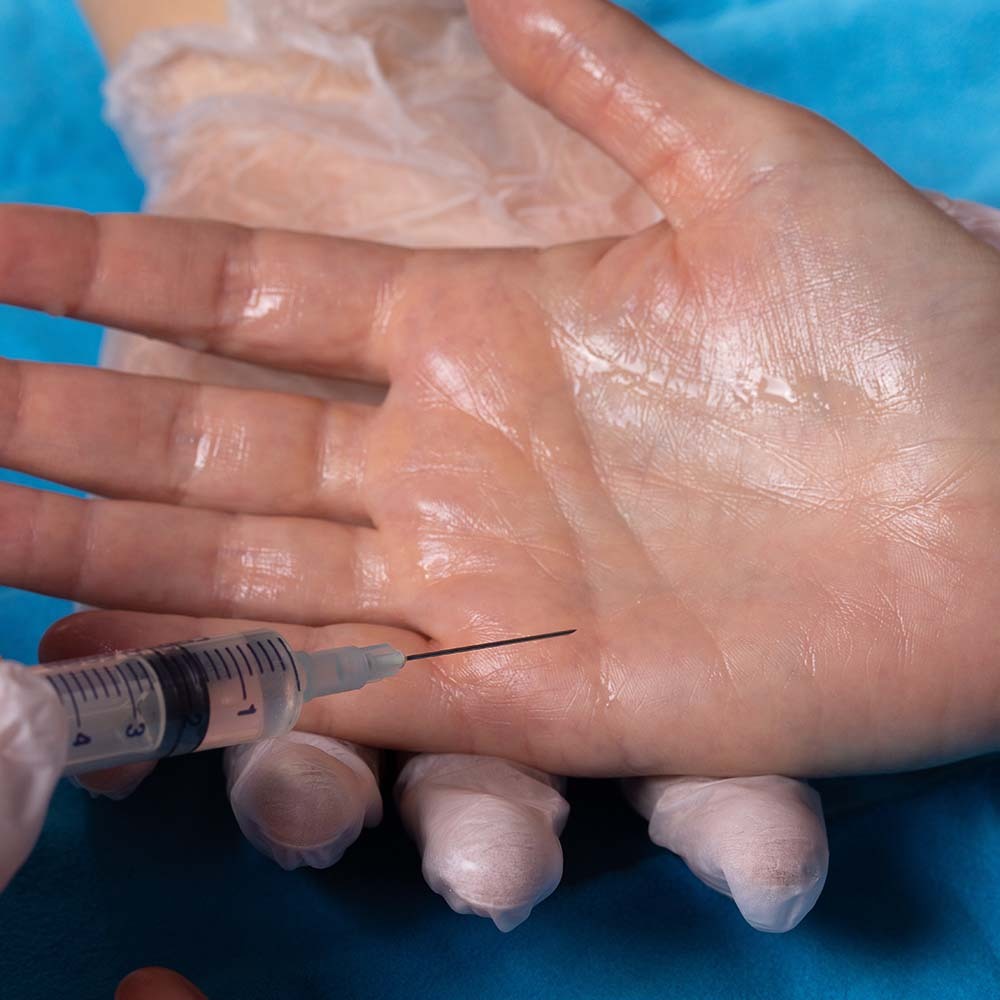
What is hyperhidrosis and what causes excessive sweating?
- Affects underarms, hands, feet, face and scalp
- Primary and secondary forms
- Medical and procedural treatments available
- Significant impact on quality of life
Hyperhidrosis is a medical condition characterised by excessive sweating that goes beyond what the body requires for temperature regulation. Affecting an estimated two to three percent of the population, it can have a profound impact on confidence, daily activities, professional life, and social interactions. Many patients feel embarrassed and delay seeking treatment, not realising that highly effective options are available.
Hyperhidrosis is classified as either primary or secondary. Primary hyperhidrosis has no identifiable cause and typically begins in childhood or adolescence, most commonly affecting the underarms (axillary hyperhidrosis), the palms (palmar hyperhidrosis), the soles of the feet (plantar hyperhidrosis), and the face and scalp (craniofacial hyperhidrosis). It usually occurs bilaterally, is often triggered by stress and anxiety, stops during sleep, and frequently runs in families.
Secondary hyperhidrosis develops from an underlying medical condition, medication, or hormonal change. Common causes include thyroid dysfunction, diabetes, menopause, anxiety disorders, certain medications including antidepressants and some blood pressure drugs, and less commonly, infections or malignancy. It tends to cause more generalised sweating, may occur at night, and often develops in adulthood. Distinguishing primary from secondary hyperhidrosis is a key purpose of a thorough specialist assessment.
The impact on quality of life is frequently underestimated. Patients describe avoiding certain clothing and fabrics, limiting physical contact, withdrawing from social and professional situations, and experiencing significant anxiety centred on their symptoms. This psychological burden is addressed directly at every consultation at Dr Ophelia's clinic.
What are my treatment options for hyperhidrosis?
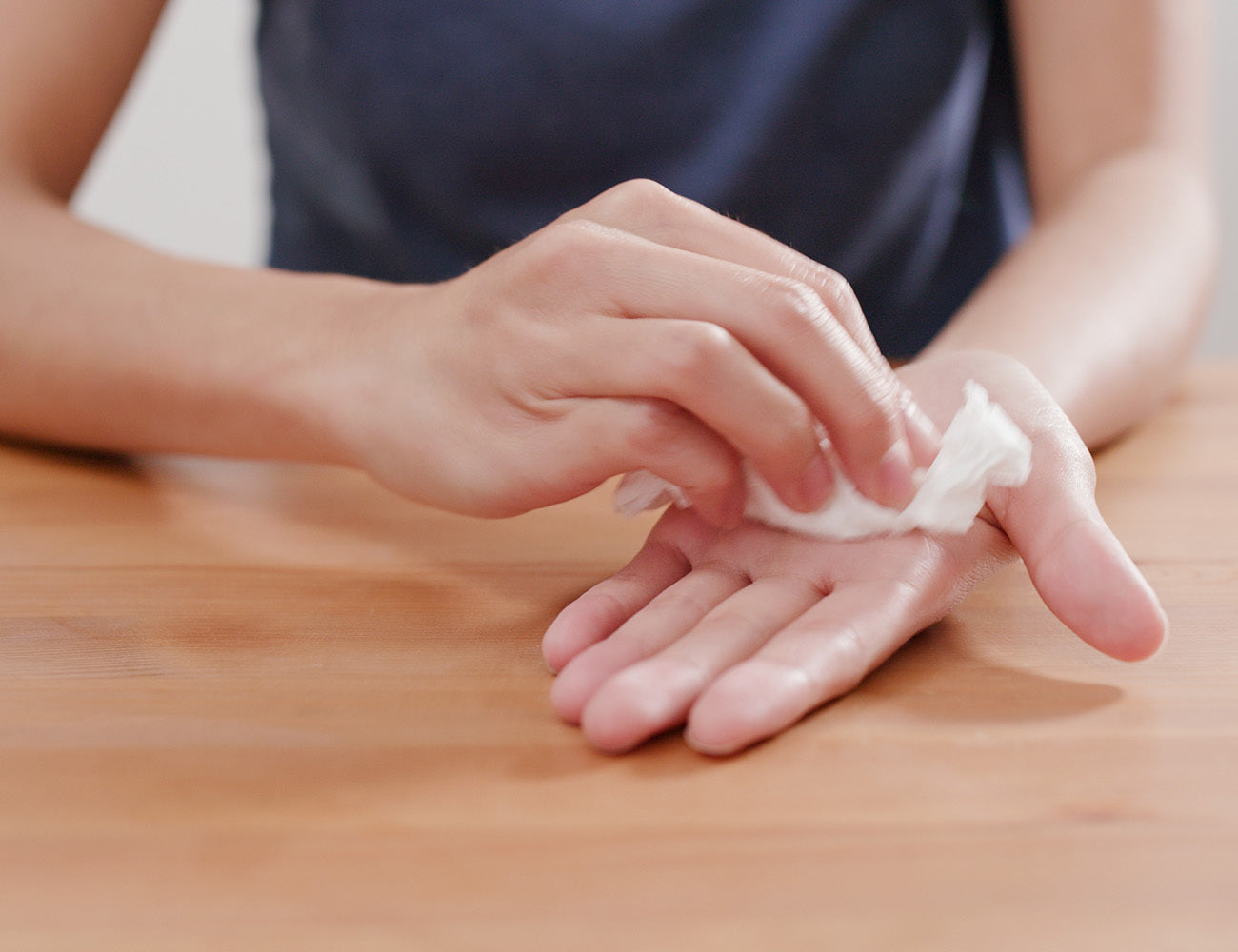
- Prescription-strength antiperspirants
- Oral medications including glycopyrrolate and beta blockers
- Anti-wrinkle injections
- Psychological support where needed
The first step is a thorough assessment to establish whether the sweating is primary or secondary. If an underlying condition, hormonal imbalance, or medication is contributing, addressing it directly may significantly improve symptoms. Dr Ophelia then develops a personalised plan based on the severity of sweating, the areas affected, previous treatment history, and each patient's preferences.
For mild to moderate hyperhidrosis, prescription strength topical antiperspirants containing aluminium chloride are often first line, applied at night to block the sweat duct opening; topical anticholinergic preparations are also available for the face and hands. For more widespread or severe sweating, oral anticholinergic drugs including glycopyrrolate and oxybutynin reduce sweat gland activity across the body and can be highly effective, though they require careful dose titration to balance efficacy against side effects. Beta blockers may suit patients whose sweating is closely linked to anxiety or situational stress.
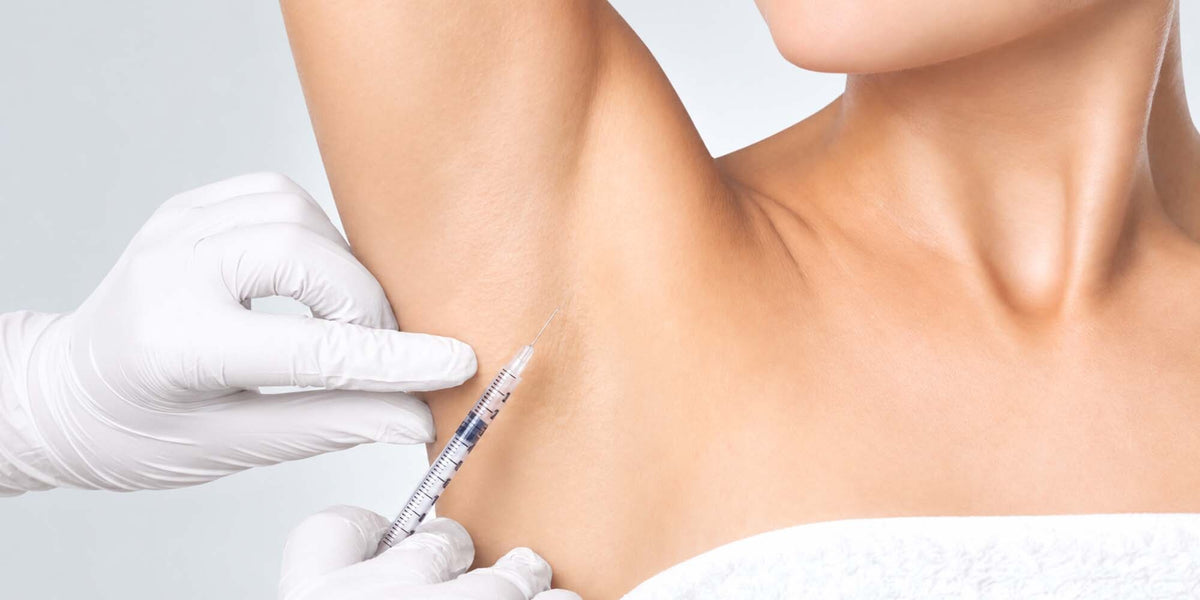
For sustained, targeted control, anti-wrinkle injections are one of the most effective treatments available. Small amounts of purified protein are injected into the affected area, temporarily blocking the nerve signals that stimulate the eccrine sweat glands and producing a significant, reliable reduction. Treatment can be applied to the underarms, palms, soles of the feet, forehead, and scalp, with results typically lasting between three and six months. As a Consultant Dermatologist, Dr Ophelia performs these injections with the precision needed for consistent, safe results.
The psychological impact is addressed as an integral part of treatment. Where anxiety is a significant trigger, or the condition has caused social withdrawal, Dr Ophelia provides practical guidance and, where appropriate, facilitates referral for psychological or CBT-based support. Treating the skin condition and the anxiety it generates together produces a more meaningful improvement overall.
Why should I see Dr Ophelia Veraitch for hyperhidrosis treatment in London?
- Award winning consultant dermatologist. Full range of medical and procedural treatments
- Thorough medical assessment. Primary and secondary hyperhidrosis distinguished accurately
- Anti-wrinkle injections for sweating; underarms, hands, feet, face and scalp
- Psychological support. Addressing anxiety and confidence alongside physical symptoms

Hyperhidrosis is often inadequately managed because it is not taken seriously, because secondary causes go uninvestigated, or because patients are offered only a limited range of treatments. As an award winning Consultant Dermatologist with extensive experience in the condition, Dr Ophelia Veraitch provides thorough, personalised assessment and access to the full range of treatments most patients have not previously received.
The foundation of her approach is a careful assessment: a detailed history establishing the pattern, onset, and severity of sweating, screening for underlying medical, hormonal, or medication related causes, and understanding the impact on daily life. Secondary hyperhidrosis requires a different management strategy from primary hyperhidrosis, and many patients have not had this distinction properly made before.
For primary hyperhidrosis, she offers the full range of options, from prescription-strength topical therapies and titrated oral anticholinergic medications through to anti wrinkle injections across all sites, placed with the precision needed for maximum effect and minimal discomfort.
Dr Ophelia also recognises that hyperhidrosis and anxiety are frequently intertwined, each worsening the other, and incorporates guidance on psychological management into her treatment plans, facilitating CBT based referral where significant. Her goal is not simply to reduce sweating, but to give each patient a lasting improvement in confidence, comfort, and quality of life.
HELP
Frequently Asked Questions — Hyperhidrosis Treatment
Primary hyperhidrosis has no identifiable cause, begins in childhood or adolescence, affects specific areas such as the underarms, hands, feet, and face, occurs symmetrically, is often triggered by stress, and stops during sleep. Secondary hyperhidrosis develops from a medical condition, hormonal change, or medication, causes more generalised sweating, may occur at night, and often begins in adulthood.
Anti wrinkle injections temporarily block the nerve signals that stimulate the eccrine sweat glands, significantly reducing sweat production. Small amounts of purified protein are injected using a fine needle, with results apparent within a few days and lasting approximately three to six months. They can treat the underarms, palms, soles of the feet, forehead, and scalp.
Discomfort varies by area. Underarm treatment is generally well tolerated, while the palms and soles can be more uncomfortable due to denser nerve endings, so a topical anaesthetic cream is applied beforehand. Using fine needles and precise technique, Dr Ophelia typically completes the procedure within twenty to thirty minutes.
Oral anticholinergics such as glycopyrrolate and oxybutynin reduce sweat gland activity throughout the body, more broadly than topical or injectable treatments. They can be highly effective but require careful dose titration to balance control against side effects such as dry mouth. Beta blockers may also suit anxiety driven sweating.
Yes. Hot flushes and night sweating are among the most common symptoms of the perimenopause and menopause, driven by declining oestrogen levels and their effect on the hypothalamic temperature regulation centre. This is a form of secondary hyperhidrosis, and management may include HRT alongside targeted treatments for sweating.
Yes. Anxiety is both a trigger and a consequence of hyperhidrosis: it activates the sympathetic nervous system, stimulating sweat gland activity, and the resulting visible sweating increases self consciousness further. Dr Ophelia facilitates referral for CBT-based support where the psychological component is significant.
Yes. Craniofacial hyperhidrosis, affecting the forehead, face, and scalp, can be particularly distressing as sweating in these visible areas is difficult to conceal. Treatment options include topical anticholinergic preparations and anti wrinkle injections, which can produce a significant and reliable reduction.
Most patients experience a significant reduction for approximately three to six months, though the duration varies between individuals and treatment sites. There is no permanent alteration to sweat gland function, so ongoing treatment is required, though many find the improvement in comfort and confidence well worth it.
Primary hyperhidrosis is typically a long term condition, though its severity can fluctuate and some patients improve in later adulthood. It is not currently curable but is very effectively manageable, while secondary hyperhidrosis may resolve if the underlying cause is treated.
You should seek specialist assessment if excessive sweating is affecting your daily life, confidence, work, or social interactions; if over the counter antiperspirants are not providing adequate control; or if you would like prescription medications or anti-wrinkle injections. It is particularly important if sweating is predominantly nocturnal, generalised, or accompanied by other unexplained symptoms, which may suggest an underlying medical cause requiring investigation.
Hyperhidrosis is a medical condition that requires accurate diagnosis, investigation for secondary causes, and access to prescription treatments. A Consultant Dermatologist can assess for an underlying cause, prescribe oral and topical medications, and perform anti-wrinkle injections with the anatomical precision that produces the most consistent results. Cosmetic clinics offering these injections typically do not conduct a medical assessment, cannot prescribe systemic treatments, and lack the specialist training to manage the condition comprehensively.